Titleist irons, generation by generation.
Compare 2005–2006 Forged irons, original AP1 and AP2, later AP generations, CB, MB and T-MB sets, and three generations of T-Series irons. This is the current collection, rather than a complete history of every Titleist iron.
Titleist iron sets at a glance
A 710, 712, 716, 718 or 720 code identifies a Titleist series, while AP1, AP2, AP3, CB, MB, T-MB and T100–T400 identify different head families. Match both parts of the name; T-Series names repeat across the 720, 2021 and 2023 generations, and the original AP entries use the archive’s 2008 label.
Listed clubs show the manufacturer's specification range, not the contents of every retail or used set. Model years are shown only where the source states one. Equal loft does not establish equal carry distance or fit.
To see how these lofts compare with other brands and with older sets, read our 7-iron loft study. Not sure which of these sets you own? Narrow them down by name, era or 7-iron loft with the Titleist iron year finder.
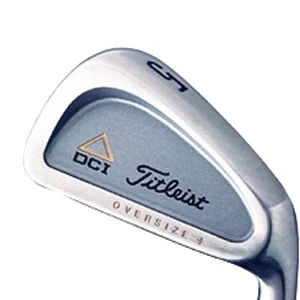
DCI Oversize + Gold irons (1996–1998)
Titleist DCI Oversize + Gold (1996–1998), with a 34.5° 7-iron and 47° pitching wedge in Titleist’s published table.
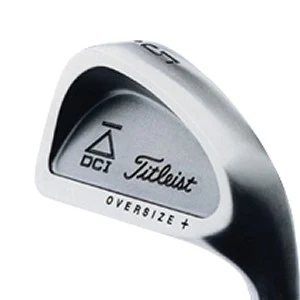
DCI Oversize + Black irons (1996–2000)
Titleist DCI Oversize + Black (1996–2000), with a 34.5° 7-iron and 47° pitching wedge in Titleist’s published table.
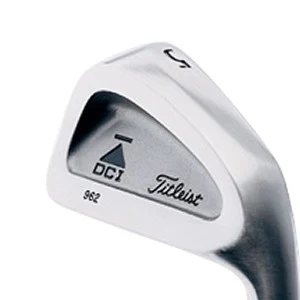
DCI 962 irons (1997–1999)
Titleist DCI 962 (1997–1999), with a 36° 7-iron and 48° pitching wedge in Titleist’s published table.
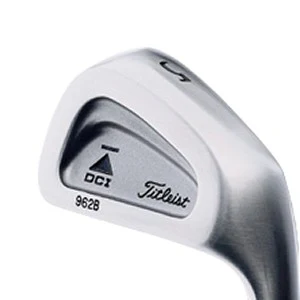
DCI 962B irons (1997–2000)
Titleist DCI 962B (1997–2000), with a 36° 7-iron and 48° pitching wedge in Titleist’s published table.
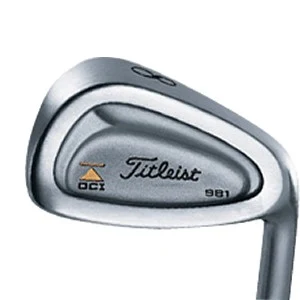
DCI 981 irons (1998–2001)
Titleist DCI 981 (1998–2001), with a 35° 7-iron and 47° pitching wedge in Titleist’s published table.
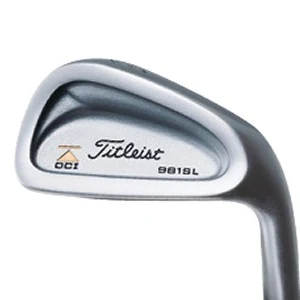
DCI 981SL irons (1998–2001)
Titleist DCI 981SL (1998–2001), with a 33° 7-iron and 45° pitching wedge in Titleist’s published table.
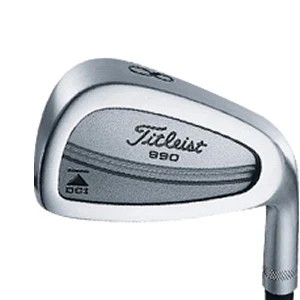
DCI 990 irons (1999–2000)
Titleist DCI 990 (1999–2000), with a 36° 7-iron and 49° pitching wedge in Titleist’s published table.
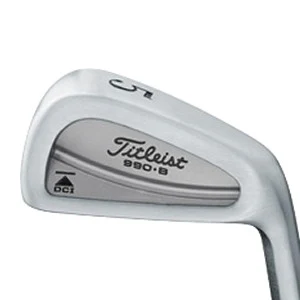
DCI 990B irons (2000–2002)
Titleist DCI 990B (2000–2002), with a 36° 7-iron and 49° pitching wedge in Titleist’s published table.
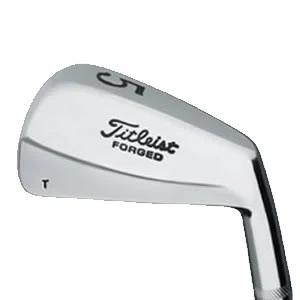
681 “T” Forged irons (2001)
Titleist 681 “T” Forged (2001), with a 36° 7-iron and 49° pitching wedge in Titleist’s published table.
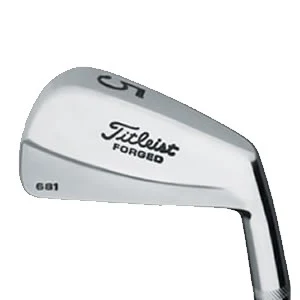
681 Forged Blade irons (2001–2002)
Titleist 681 Forged Blade (2001–2002), with a 36° 7-iron and 49° pitching wedge in Titleist’s published table.
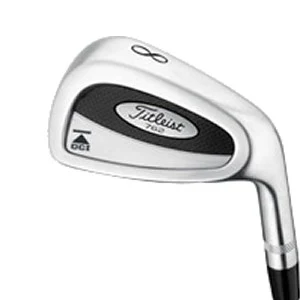
DCI 762 irons (2001–2003)
Titleist DCI 762 (2001–2003), with a 34° 7-iron and 46° pitching wedge in Titleist’s published table.
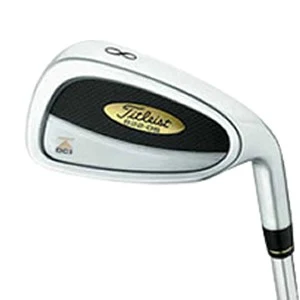
DCI 822OS irons (2001–2003)
Titleist DCI 822OS (2001–2003), with a 33.5° 7-iron and 46° pitching wedge in Titleist’s published table.
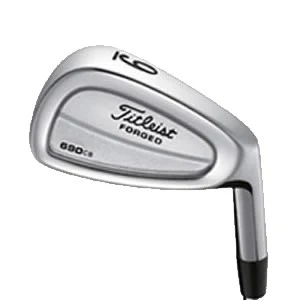
690CB Forged irons (2002)
Titleist 690CB Forged (2002), with a 35° 7-iron and 47° pitching wedge in Titleist’s published table.
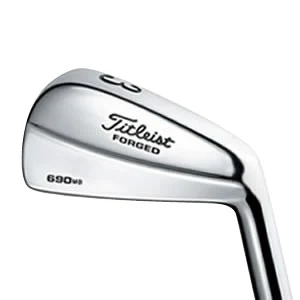
690MB Forged Muscle Back irons (2002)
Titleist 690MB Forged Muscle Back (2002), with a 36° 7-iron and 48° pitching wedge in Titleist’s published table.
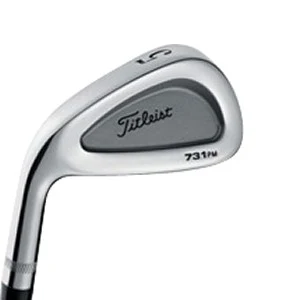
731PM Limited Edition irons (2002–2003)
Titleist 731PM Limited Edition (2002–2003), with a 33° 7-iron and 45° pitching wedge in Titleist’s published table.
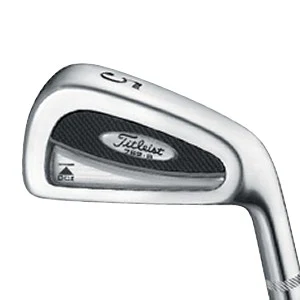
DCI 762B irons (2002–2003)
Titleist DCI 762B (2002–2003), with a 36° 7-iron and 48° pitching wedge in Titleist’s published table.
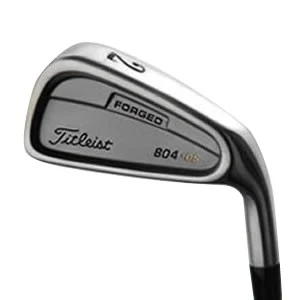
Forged 804.OS irons (2004)
Titleist Forged 804.OS (2004), with a 34° 7-iron and 46° pitching wedge in Titleist’s published table.
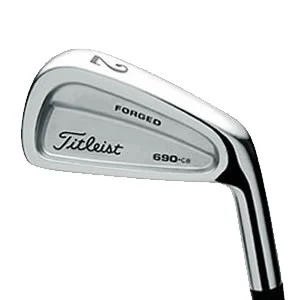
Forged 690.CB irons (2005 page)
Titleist Forged 690.CB (2005 page), with a 36° 7-iron and 48° pitching wedge in Titleist’s published table.
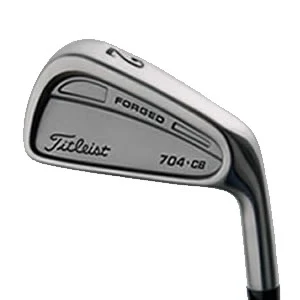
Forged 704.CB irons (2005 page)
Titleist Forged 704.CB (2005 page), with a 35° 7-iron and 47° pitching wedge in Titleist’s published table.
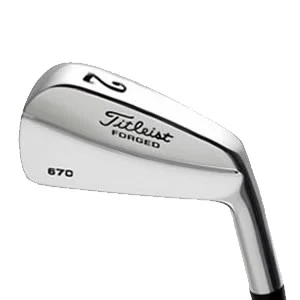
Forged 670 irons (2005 page)
Titleist Forged 670 (2005 page), with a 36° 7-iron and 48° pitching wedge in Titleist’s published table.
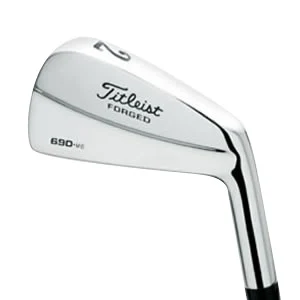
Forged 690.MB irons (2005 page)
Titleist Forged 690.MB (2005 page), with a 36° 7-iron and 48° pitching wedge in Titleist’s published table.
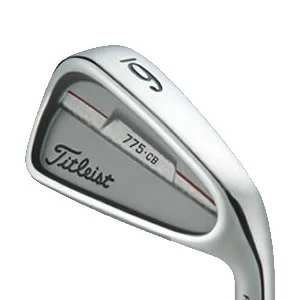
Forged 775.CB irons (2006 page)
Titleist Forged 775.CB (2006 page), with a 33° 7-iron and 45° pitching wedge in Titleist’s published table.
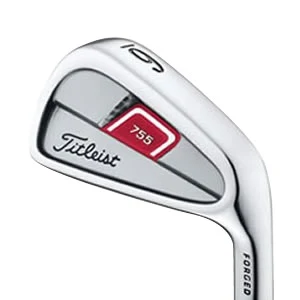
Forged 755 irons (2006 page)
Titleist Forged 755 (2006 page), with a 35° 7-iron and 47° pitching wedge in Titleist’s published table.
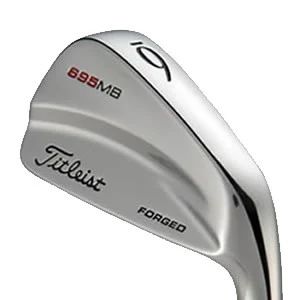
Forged 695MB irons (2006 page)
Titleist Forged 695MB (2006 page), with a 36° 7-iron and 48° pitching wedge in Titleist’s published table.
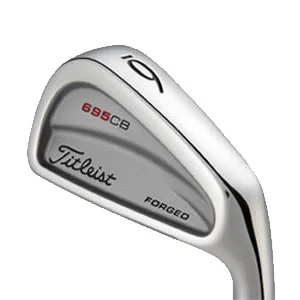
Forged 695CB irons (2006 page)
Titleist Forged 695CB (2006 page), with a 34° 7-iron and 46° pitching wedge in Titleist’s published table.
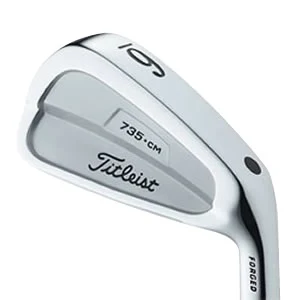
Forged 735.CM irons (2006 page)
Titleist Forged 735.CM (2006 page), with a 35° 7-iron and 47° pitching wedge in Titleist’s published table.
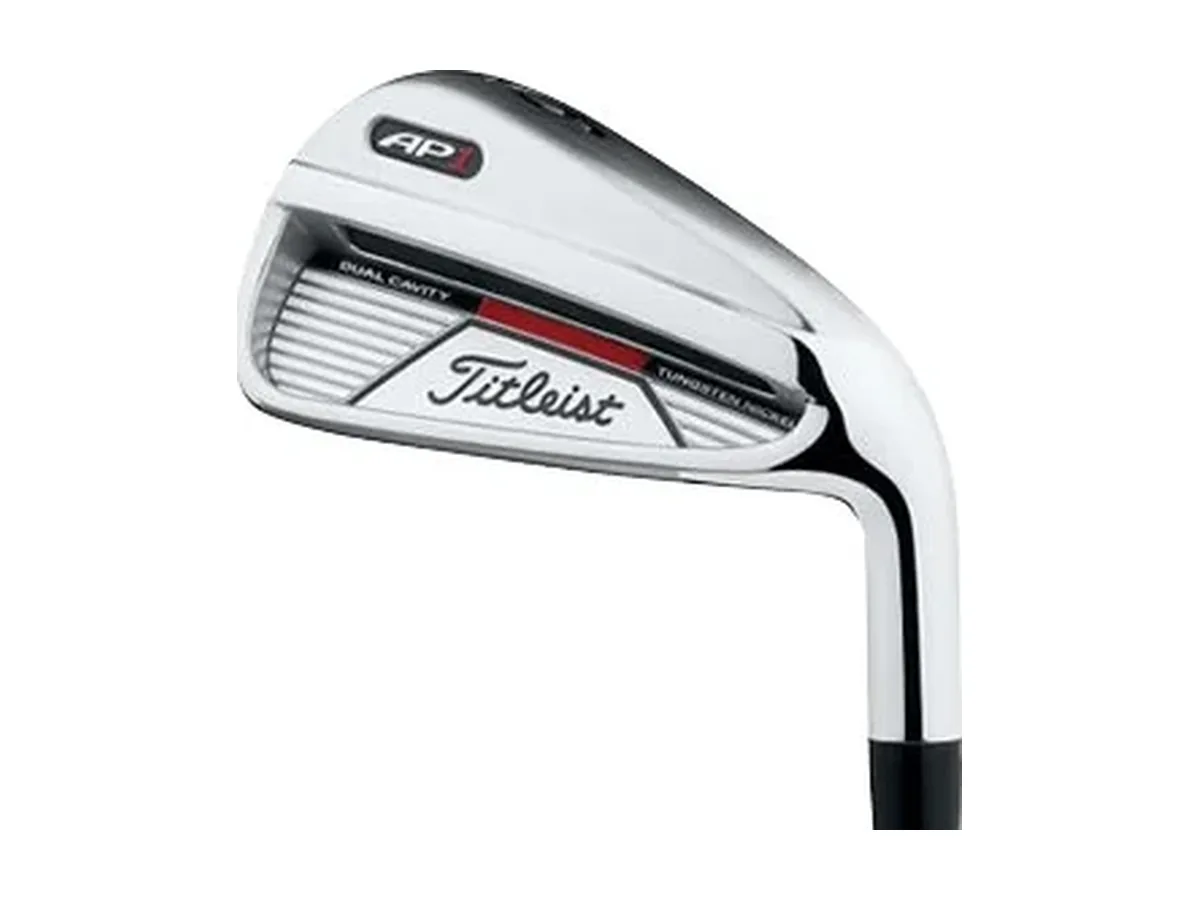
AP1 irons (2008)
The first AP1 archive entry has a 33° 7-iron and a 45° pitching wedge, followed by a separate 50° W.
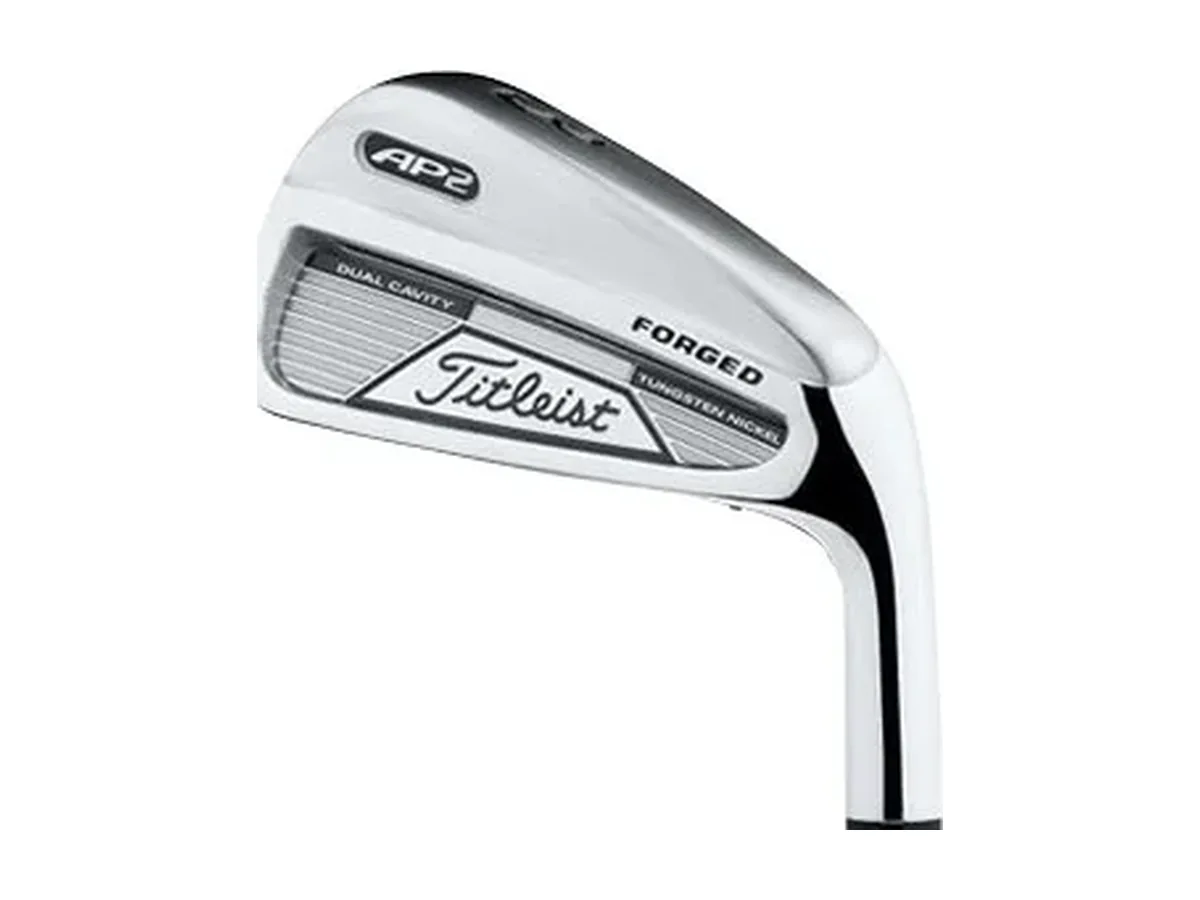
AP2 irons (2008)
The original AP2 archive entry has a 35° 7-iron, 47° pitching wedge and 51° W.
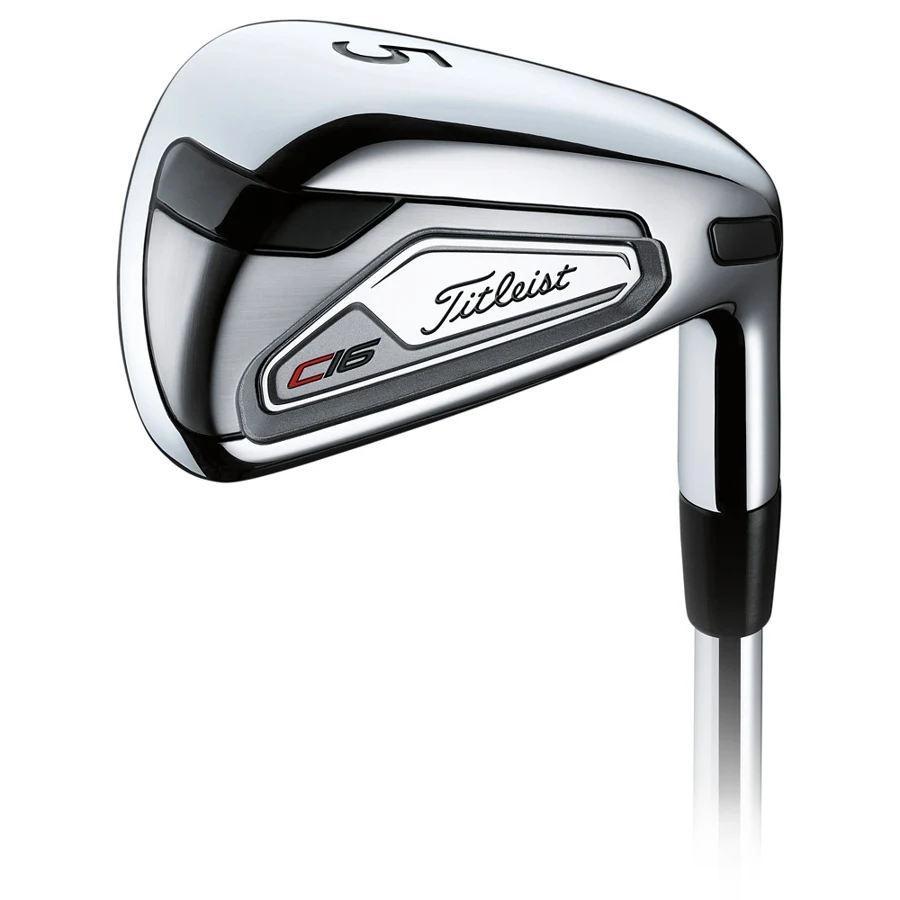
C16 irons (2016–2018)
Titleist C16 (2016–2018), with a 31° 7-iron and 43° pitching wedge in Titleist’s published table.
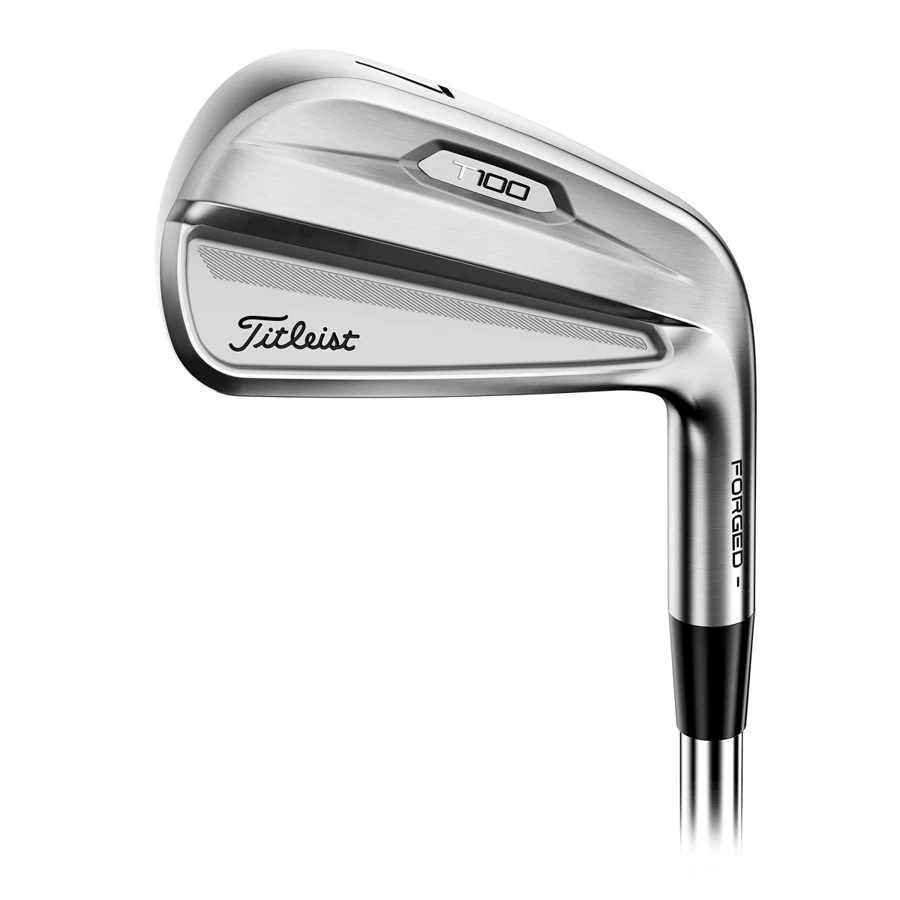
T100 irons (2021)
Titleist T100 (2021), with a 34° 7-iron and 46° pitching wedge in Titleist’s published table.
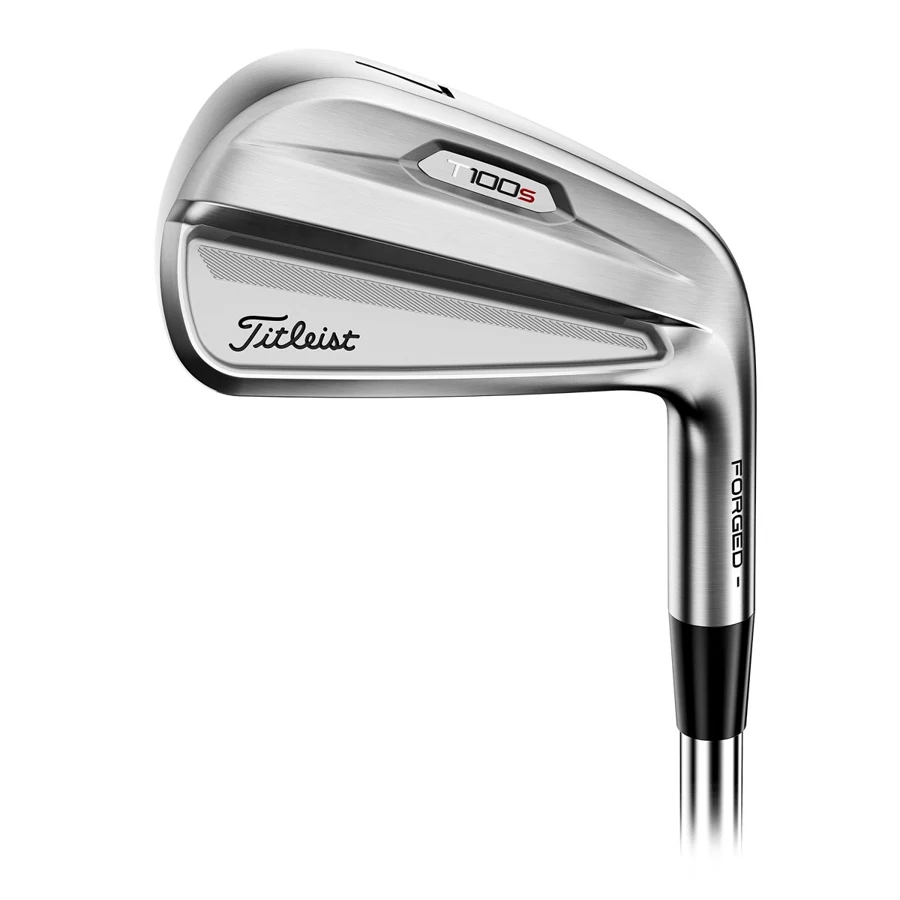
T100·S irons (2021)
Titleist T100·S (2021), with a 32° 7-iron and 44° pitching wedge in Titleist’s published table.
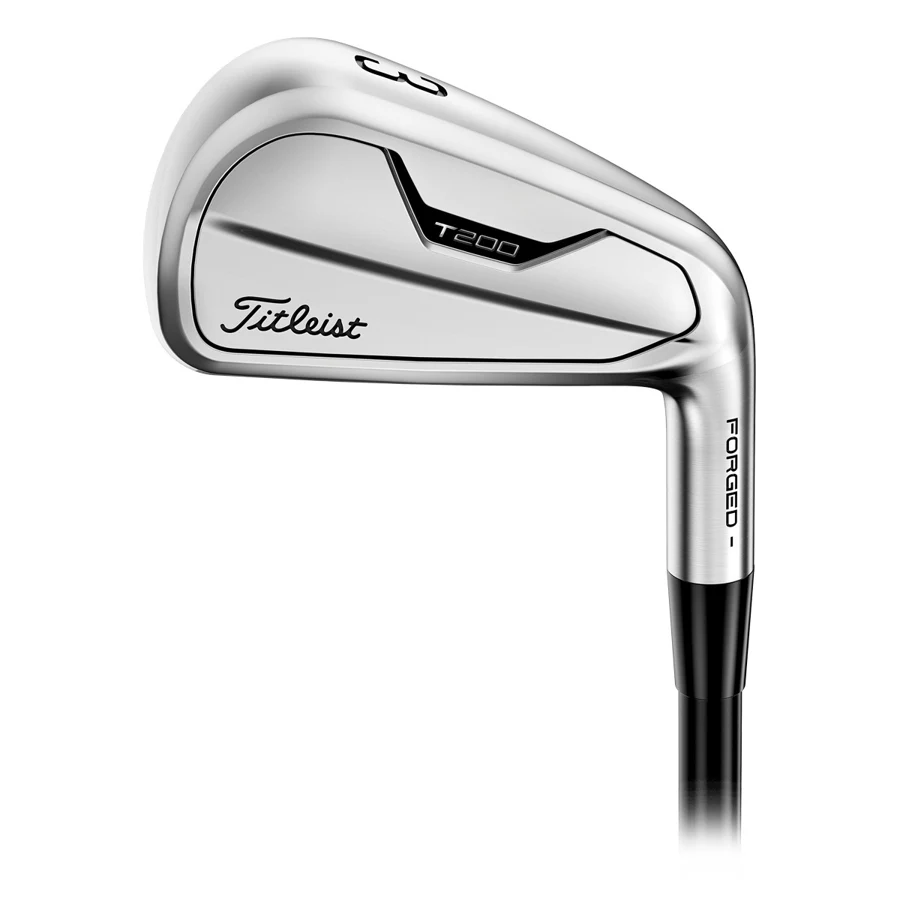
T200 irons (2021)
Titleist T200 (2021), with a 31° 7-iron and 43° pitching wedge in Titleist’s published table.
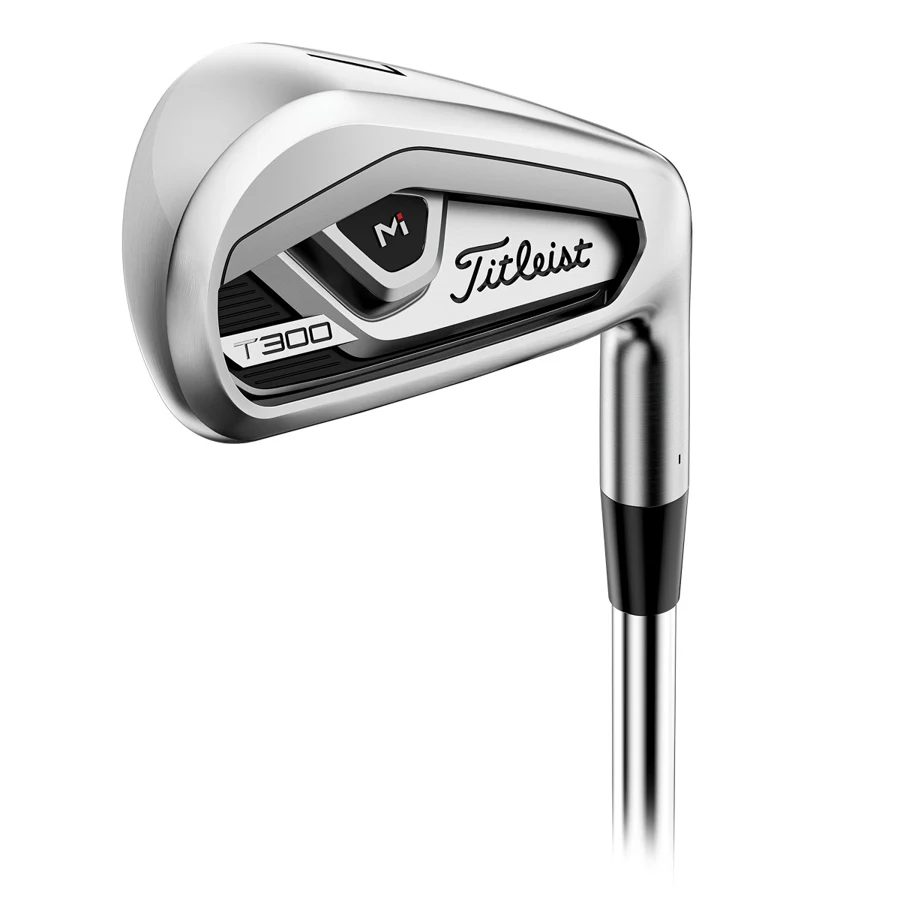
T300 irons (2021)
Titleist T300 (2021), with a 29° 7-iron and 43° pitching wedge in Titleist’s published table.
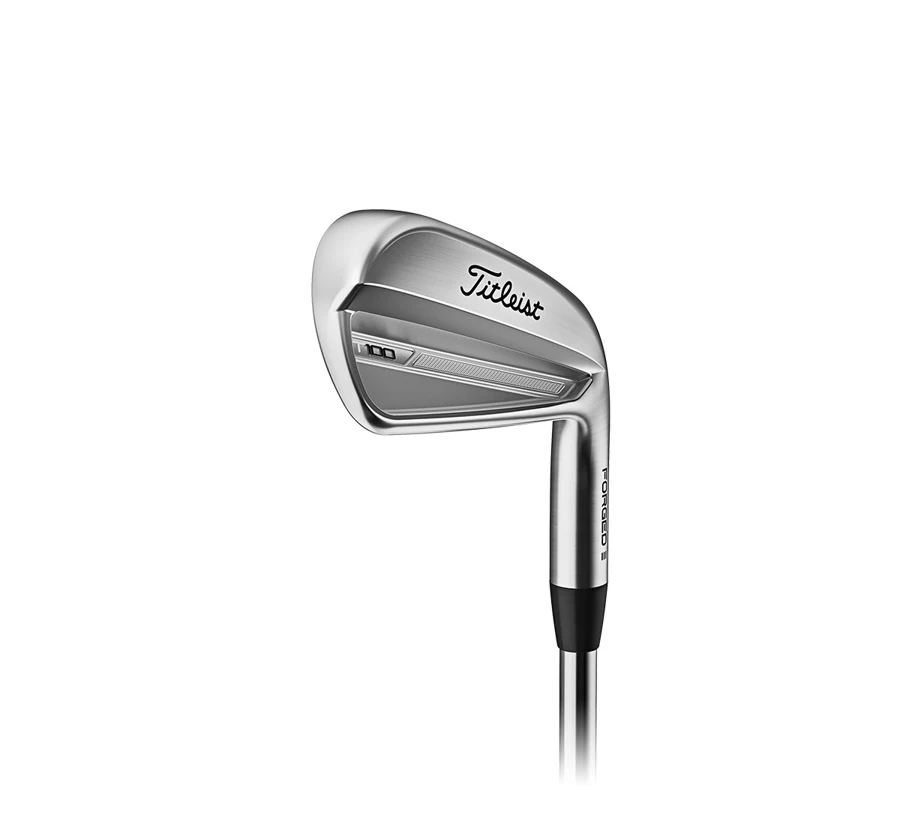
T100 irons (2023)
Titleist T100 (2023), with a 34° 7-iron and 46° pitching wedge in Titleist’s published table.
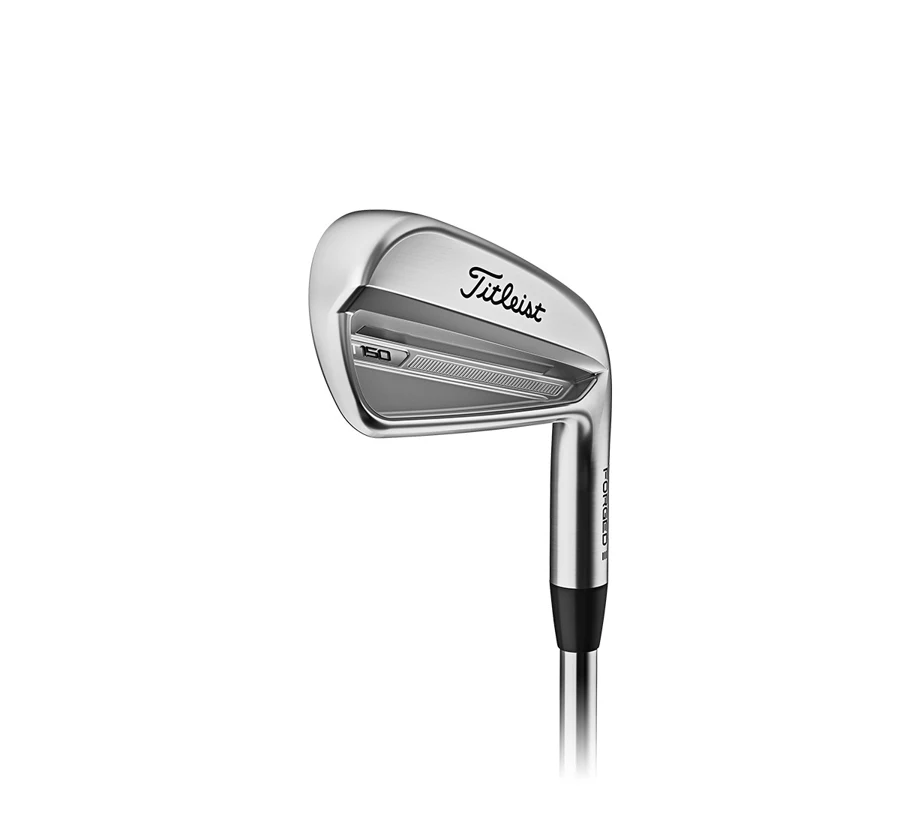
T150 irons (2023)
Titleist T150 (2023), with a 32° 7-iron and 44° pitching wedge in Titleist’s published table.
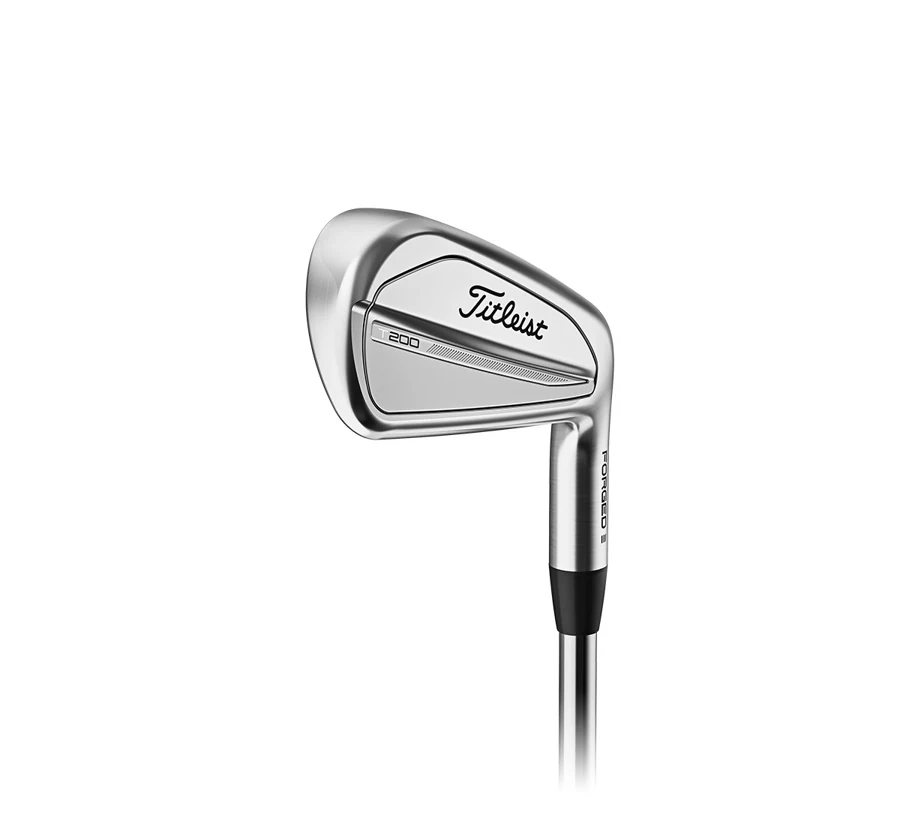
T200 irons (2023)
Titleist T200 (2023), with a 30.5° 7-iron and 43° pitching wedge in Titleist’s published table.
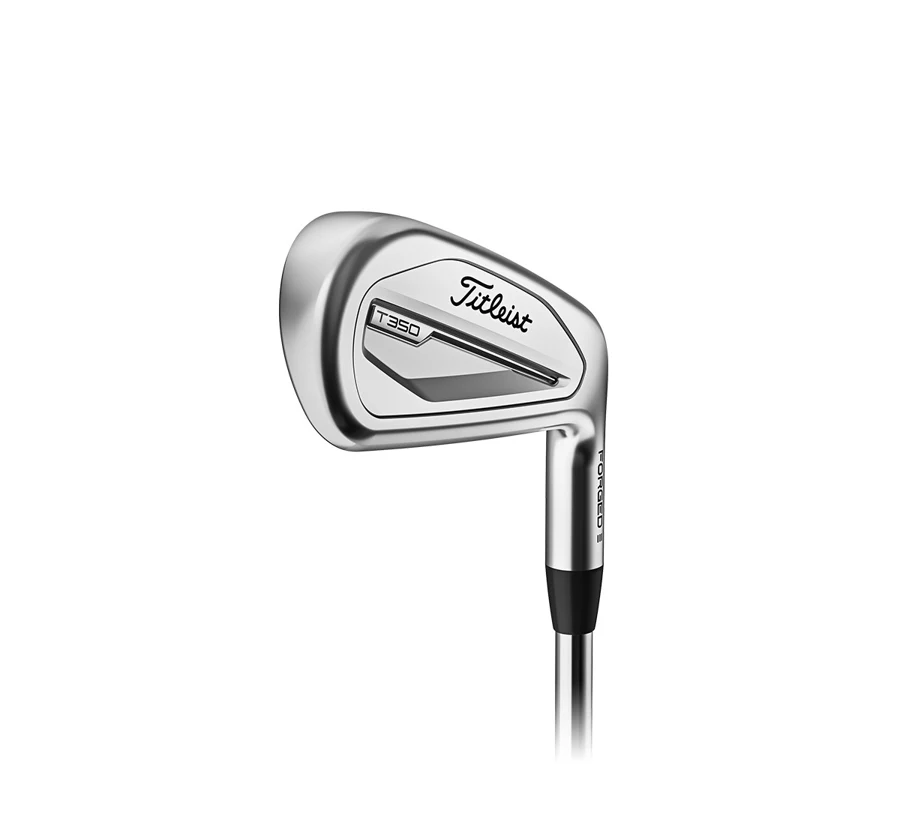
T350 irons (2023)
Titleist T350 (2023), with a 29° 7-iron and 43° pitching wedge in Titleist’s published table.
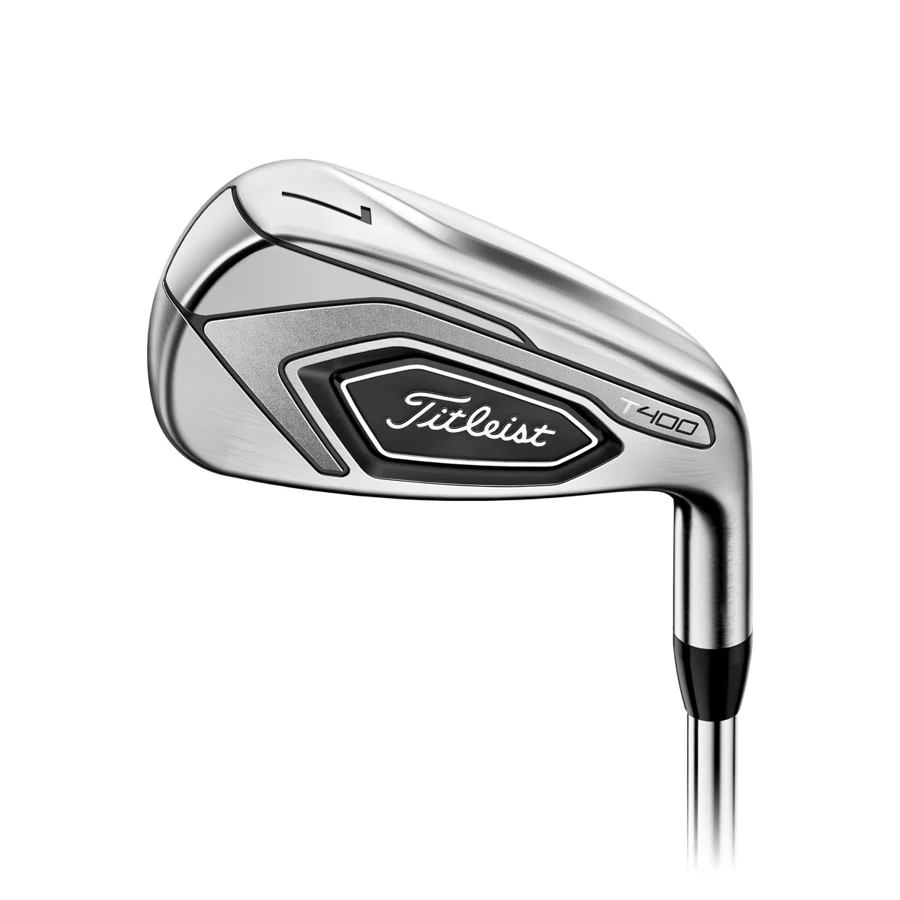
T400 irons (2023)
Titleist T400 (2023), with a 26° 7-iron and 38° pitching wedge in Titleist’s published table.
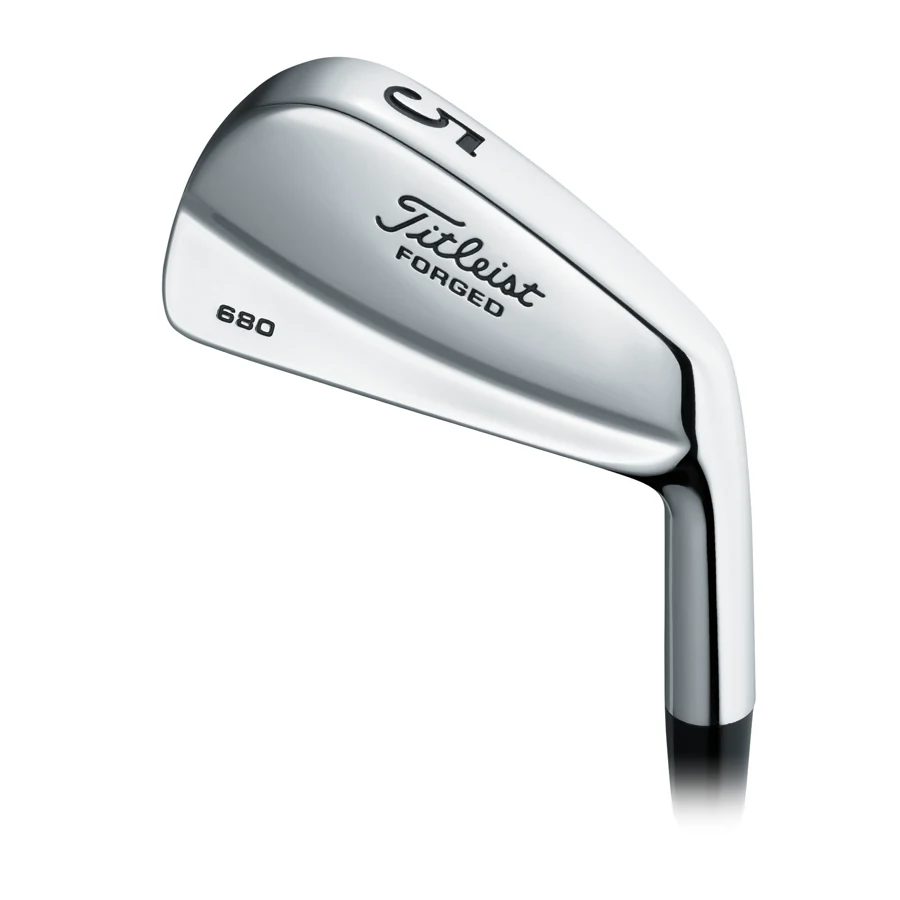
Forged 680 irons (2025 Limited Edition)
Titleist Forged 680 (2025 Limited Edition), with a 36° 7-iron and 48° pitching wedge in Titleist’s published table.
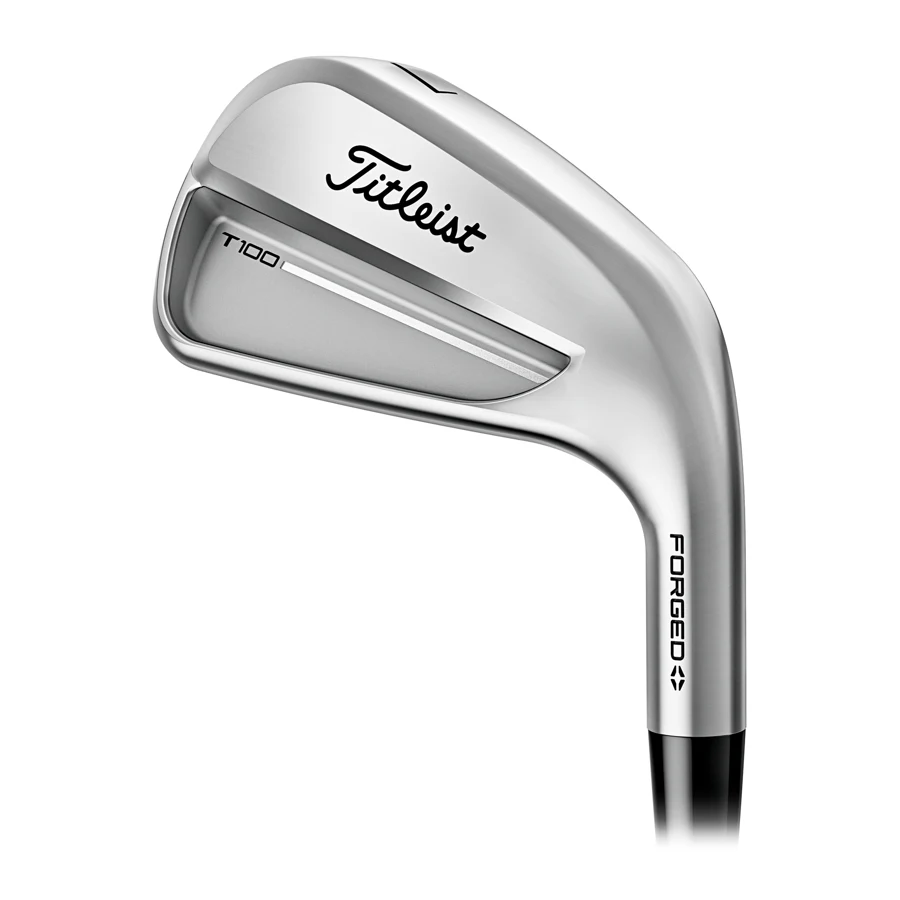
T100 irons (2025)
Titleist T100 (2025), with a 33° 7-iron and 45° pitching wedge in Titleist’s published table.
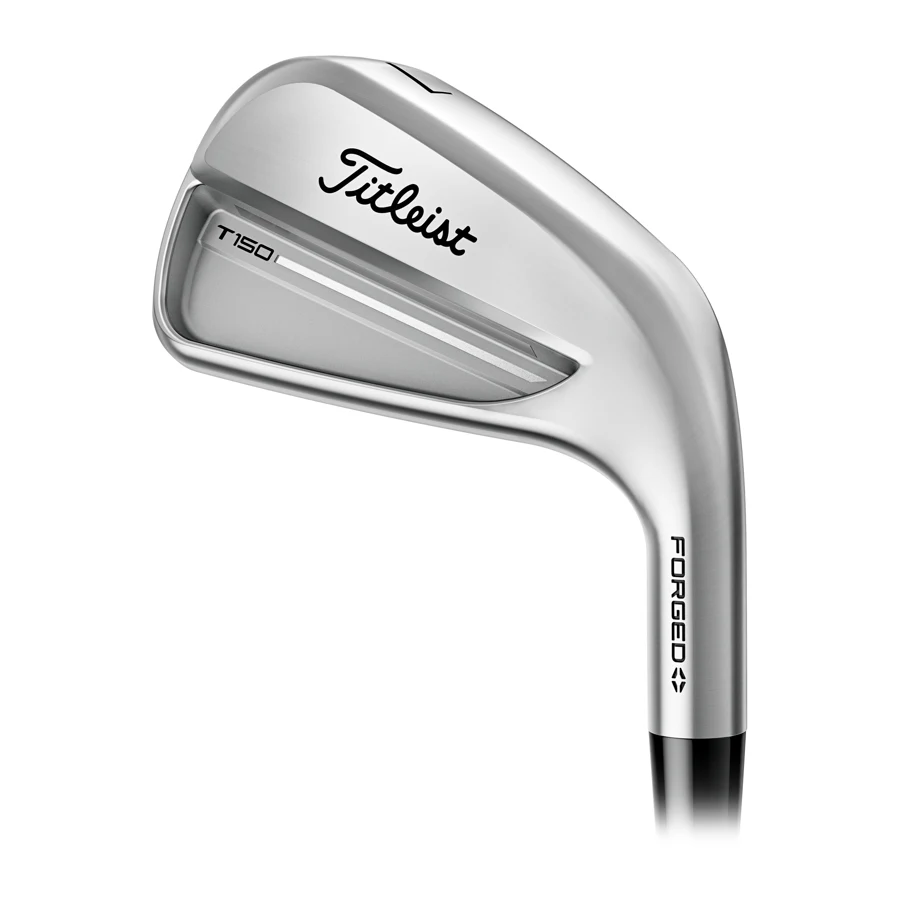
T150 irons (2025)
Titleist T150 (2025), with a 32° 7-iron and 44° pitching wedge in Titleist’s published table.
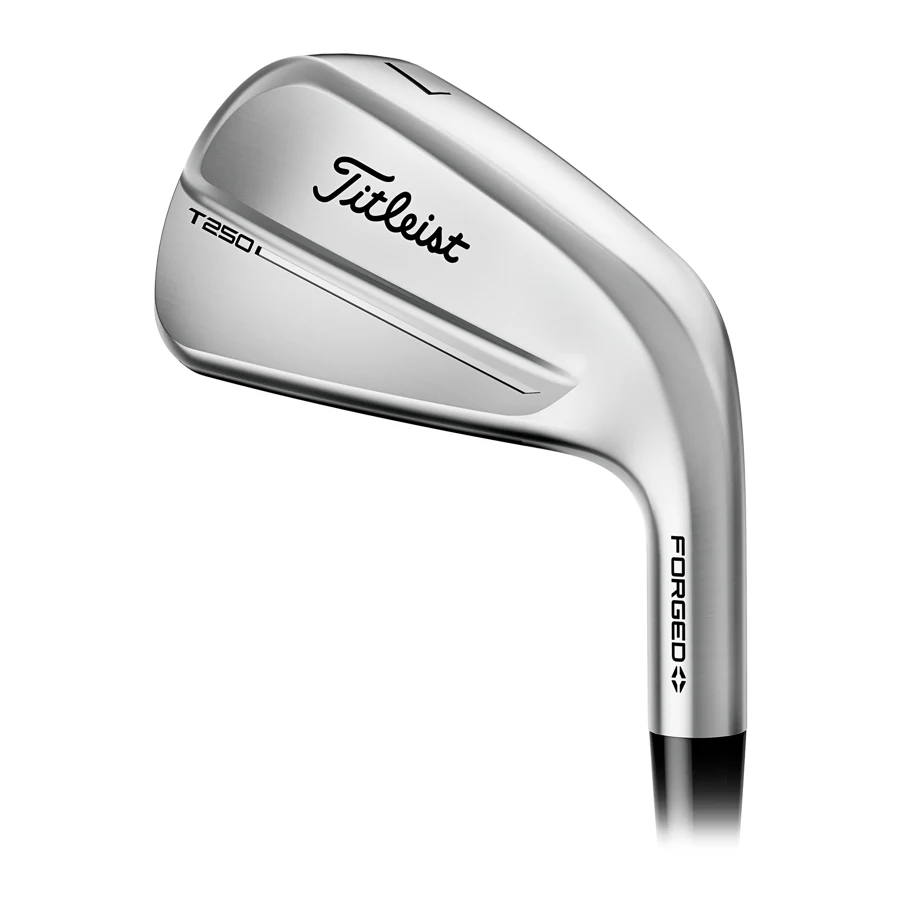
T250 irons (2025)
Titleist T250 (2025), with a 30.5° 7-iron and 43° pitching wedge in Titleist’s published table.
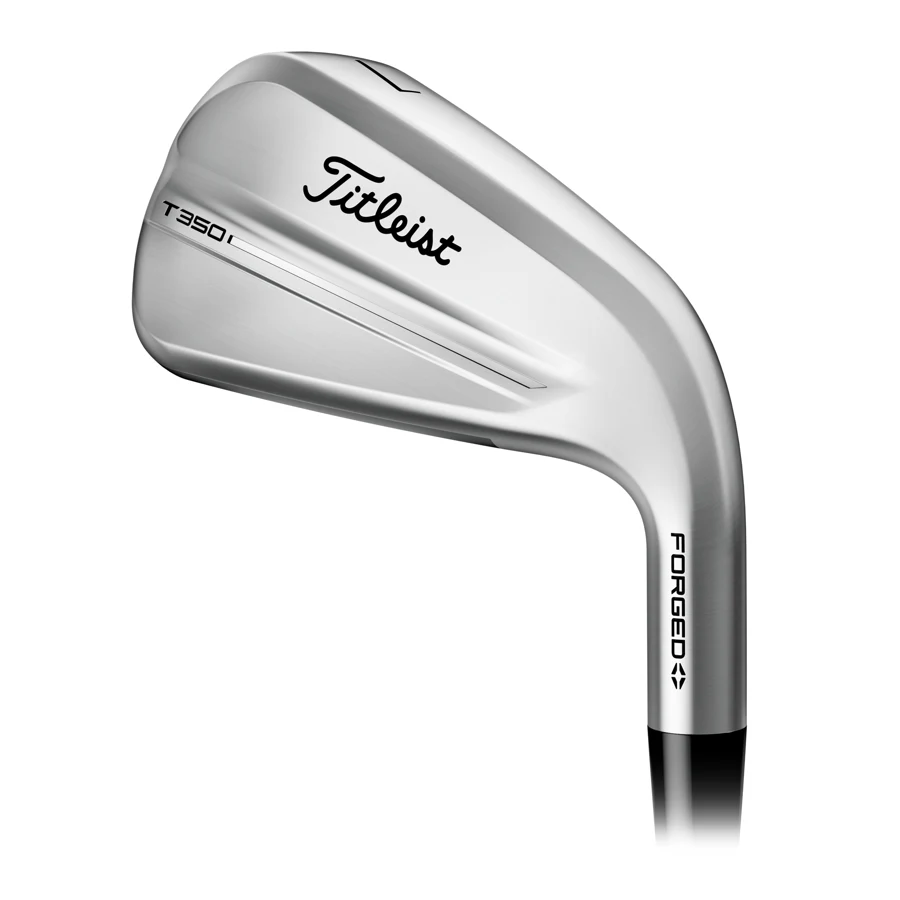
T350 irons (2025)
Titleist T350 (2025), with a 29° 7-iron and 43° pitching wedge in Titleist’s published table.
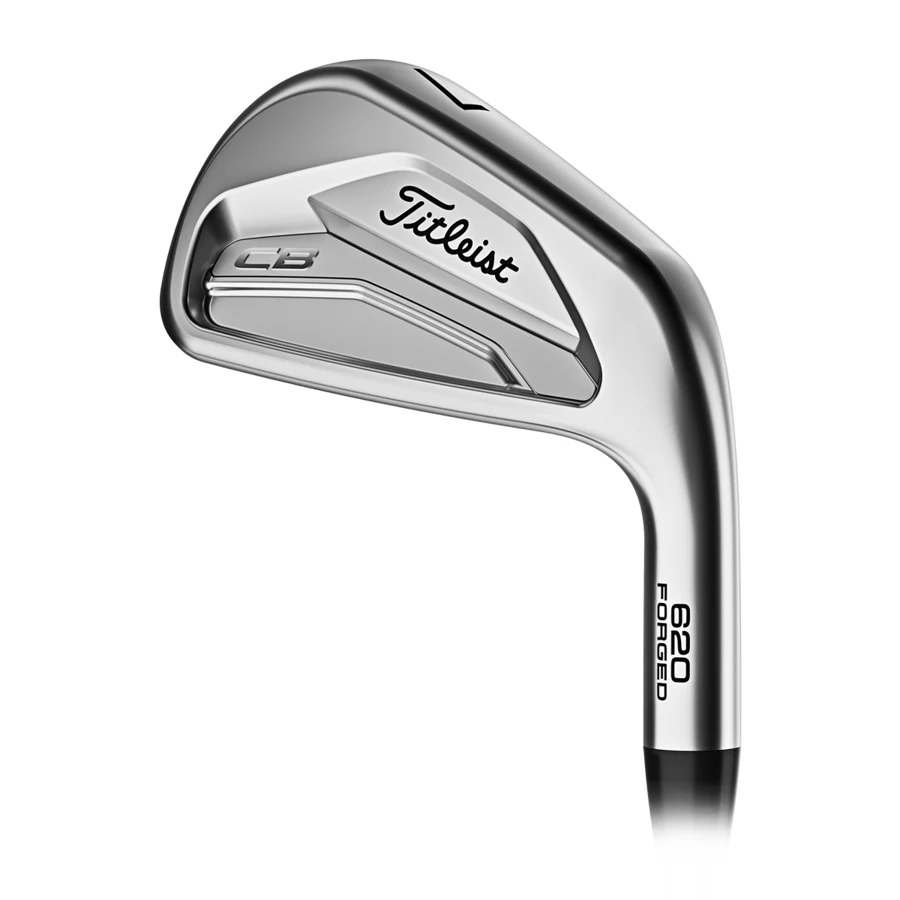
620 CB irons (2026 US page)
Titleist 620 CB (2026 US page), with a 35° 7-iron and 47° pitching wedge in Titleist’s published table.
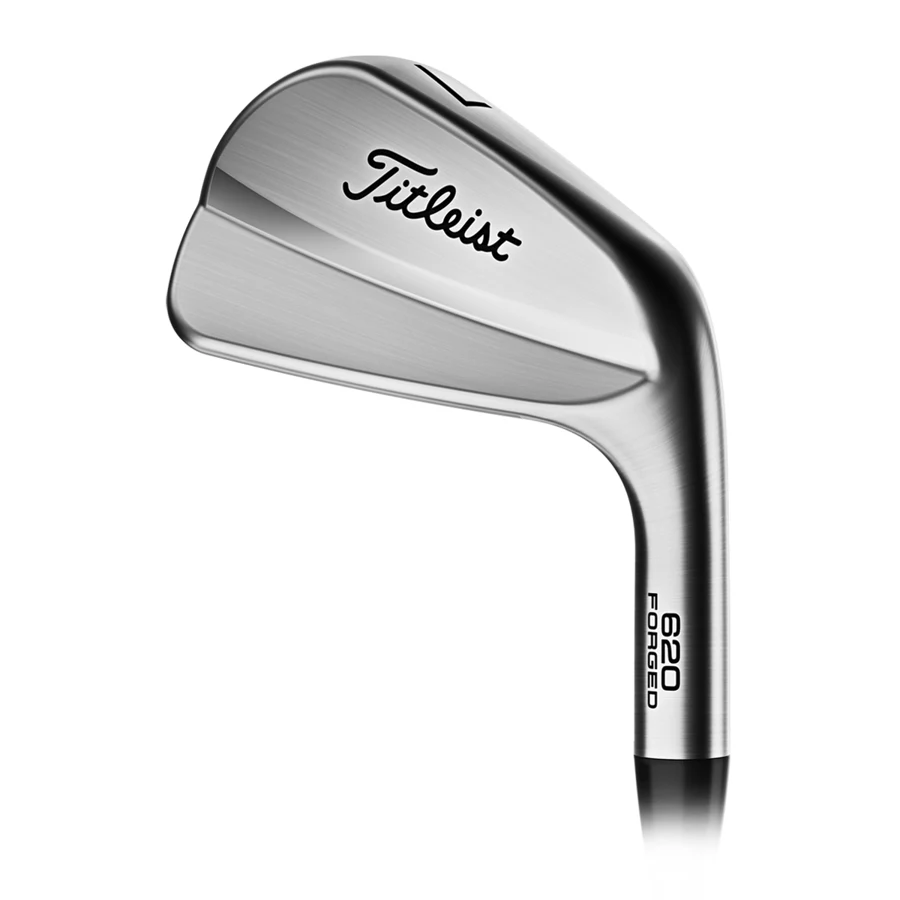
620 MB irons (2026 US page)
Titleist 620 MB (2026 US page), with a 35° 7-iron and 47° pitching wedge in Titleist’s published table.
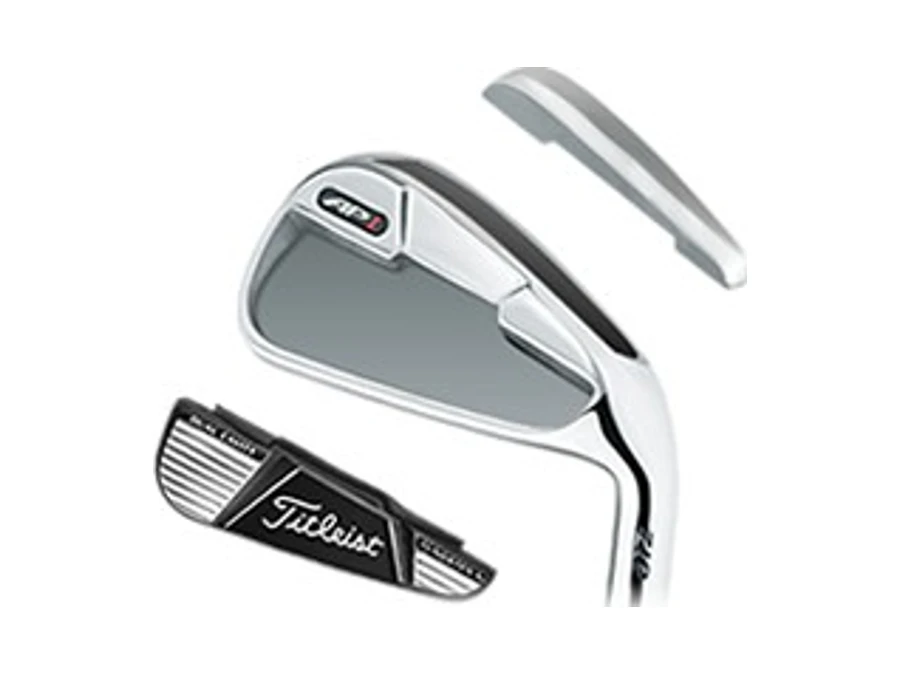
AP1 irons (710)
The 710 generation of the AP1 family. The generation code is part of the identity, rather than a confirmed manufacture date.
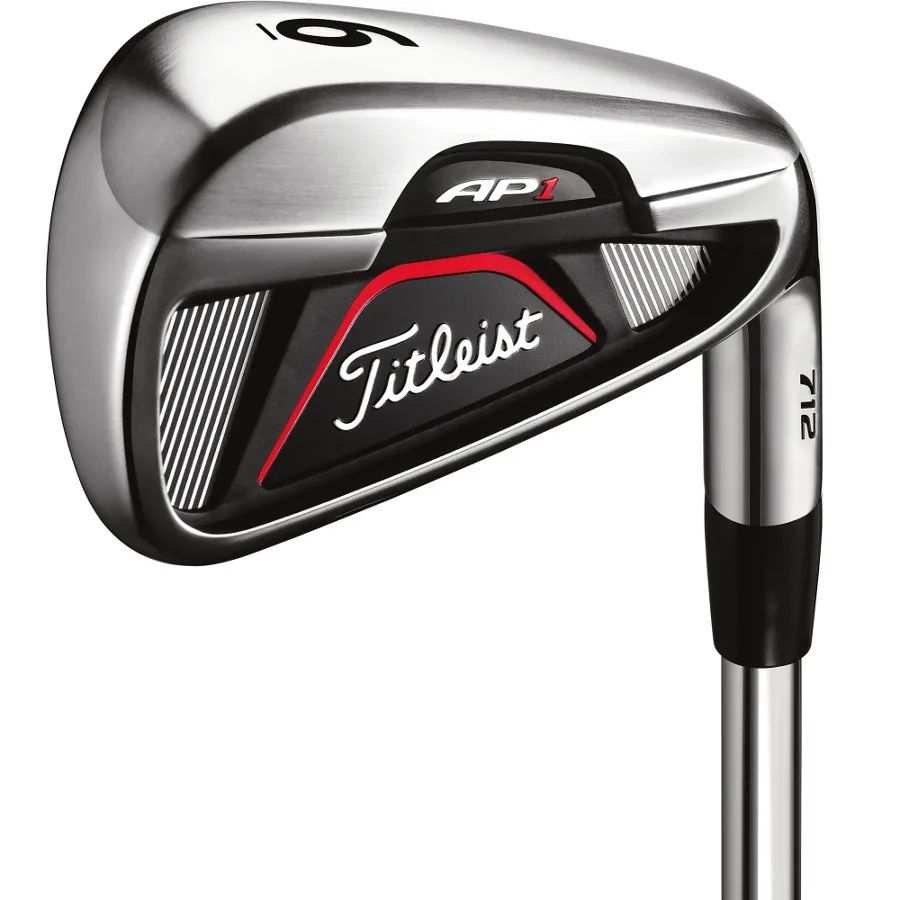
AP1 irons (712)
The AP1 712 generation keeps a 33° 7-iron in Titleist's standard chart.
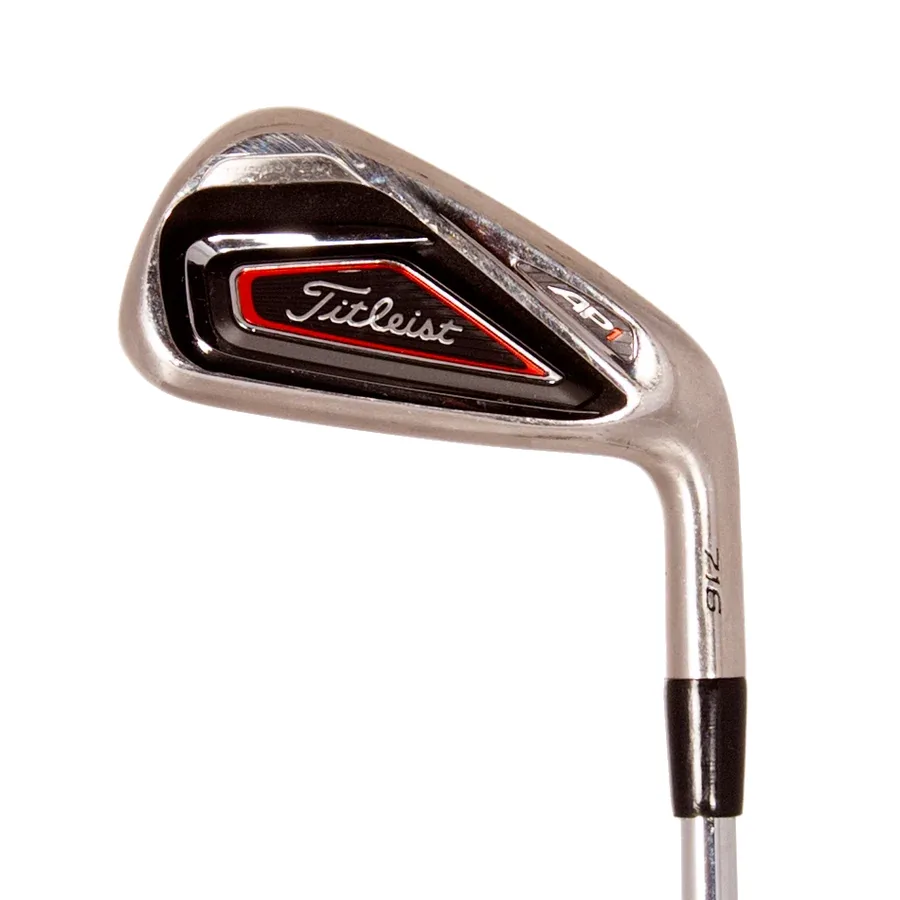
AP1 irons (716)
The AP1 716 chart has a 31° 7-iron and two listed W wedge lofts.
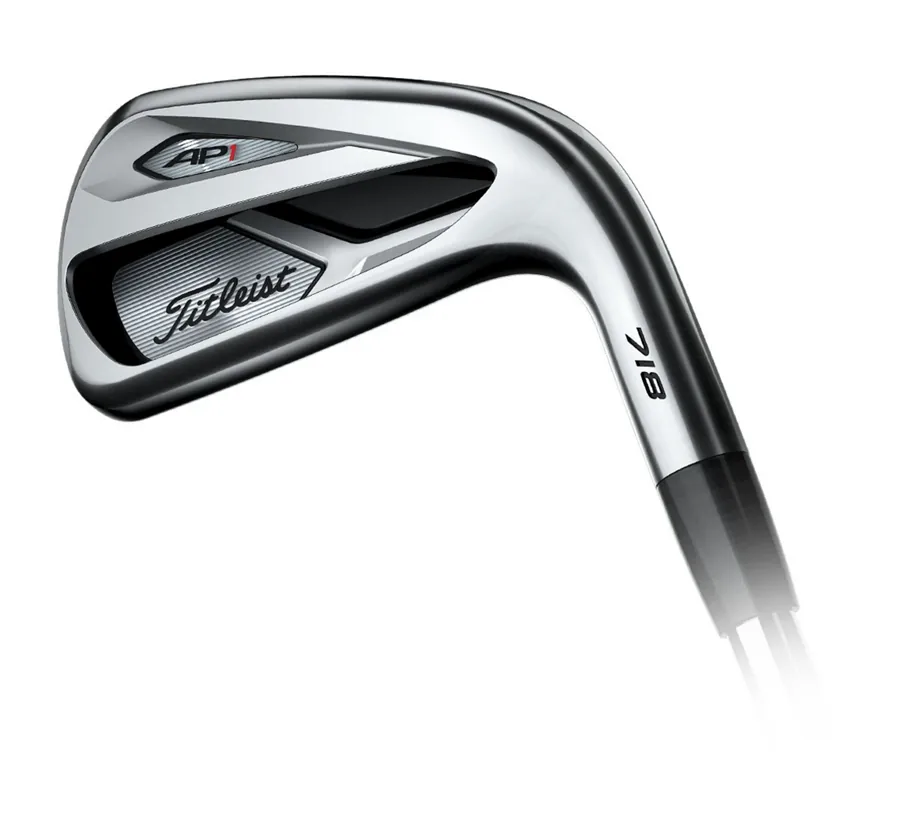
AP1 irons (718)
The AP1 718 chart lists a 30° 7-iron and a 53° second W wedge.
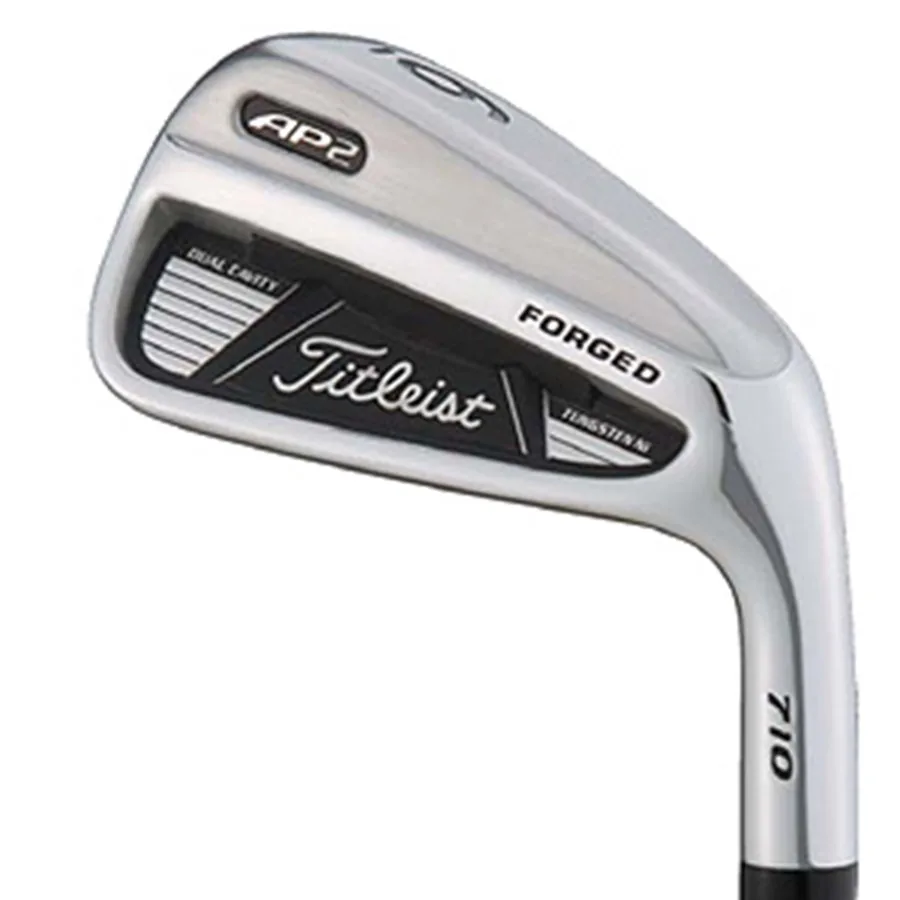
AP2 irons (710)
The AP2 710 table lists a 35° 7-iron and 47° P wedge.
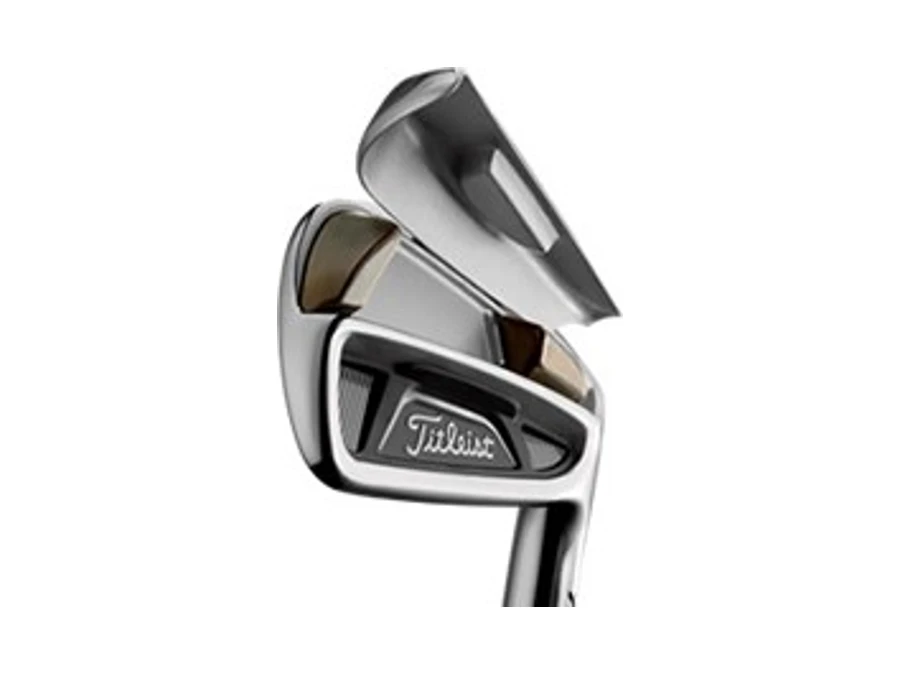
AP2 irons (712)
The 712 generation of AP2, with a 35° 7-iron and a 47° pitching wedge in the standard table.
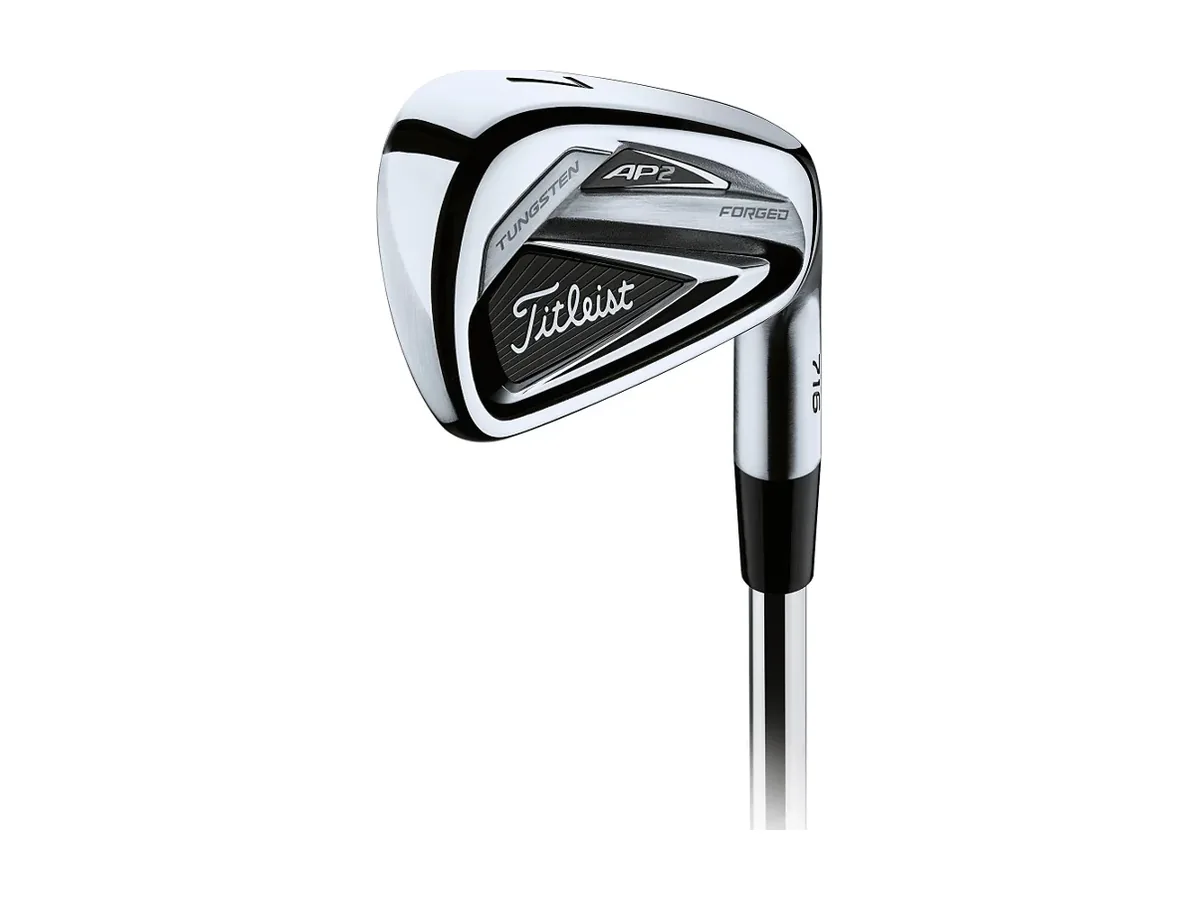
AP2 irons (716)
The 716 AP2 chart includes a 34° 7-iron, 46° pitching wedge and 50° W.
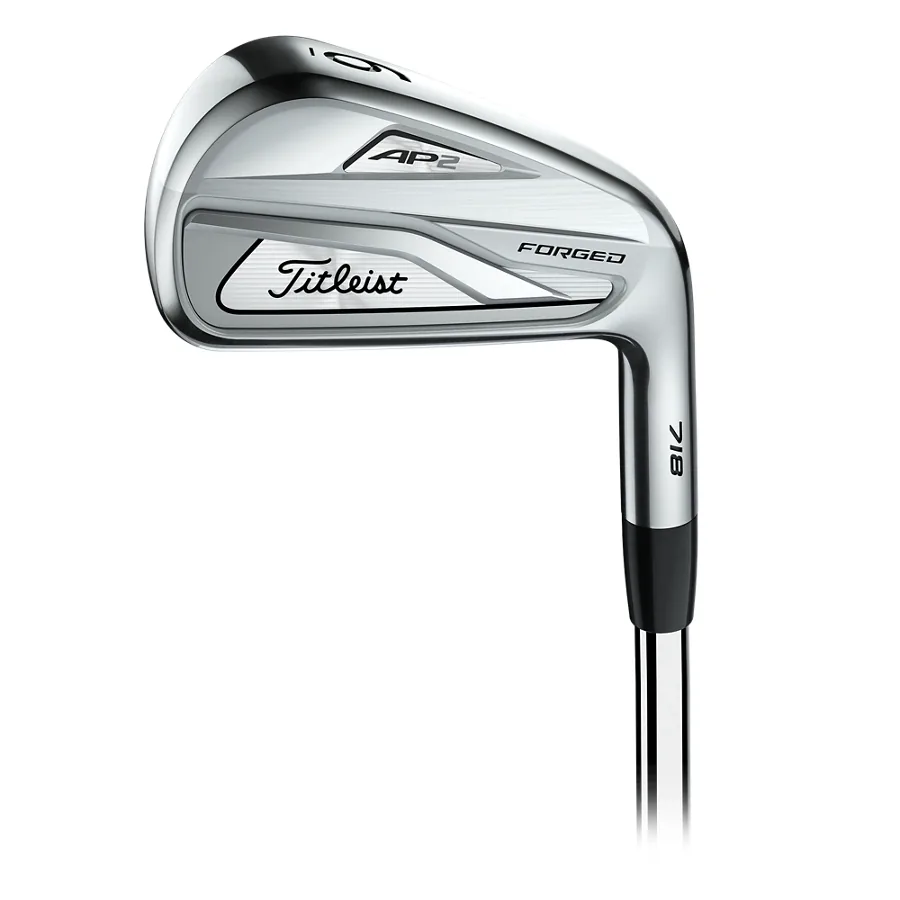
AP2 irons (718)
The 718 AP2 7-iron is 34°, between the 718 AP1 and older AP2 712 examples here.
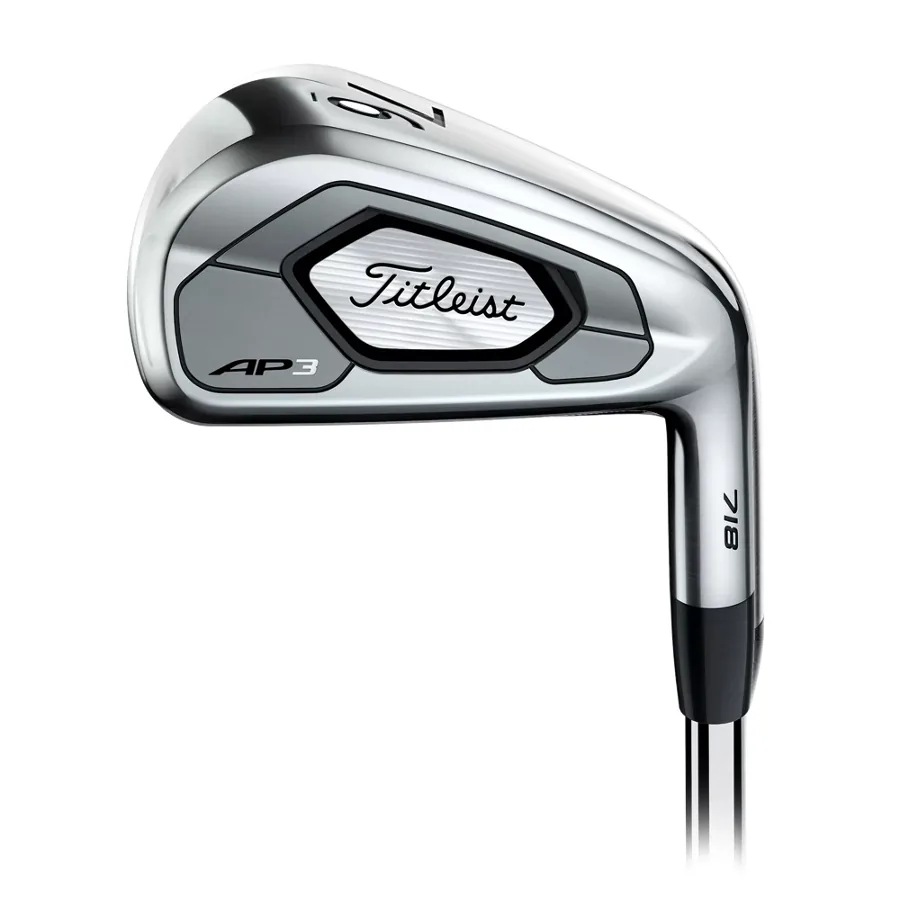
AP3 irons (718)
AP3 is a separate 718 family member, with a 31° 7-iron in Titleist's chart.
CB irons (710)
Titleist CB (710), with a 35° 7-iron and 47° pitching wedge in Titleist’s published table.
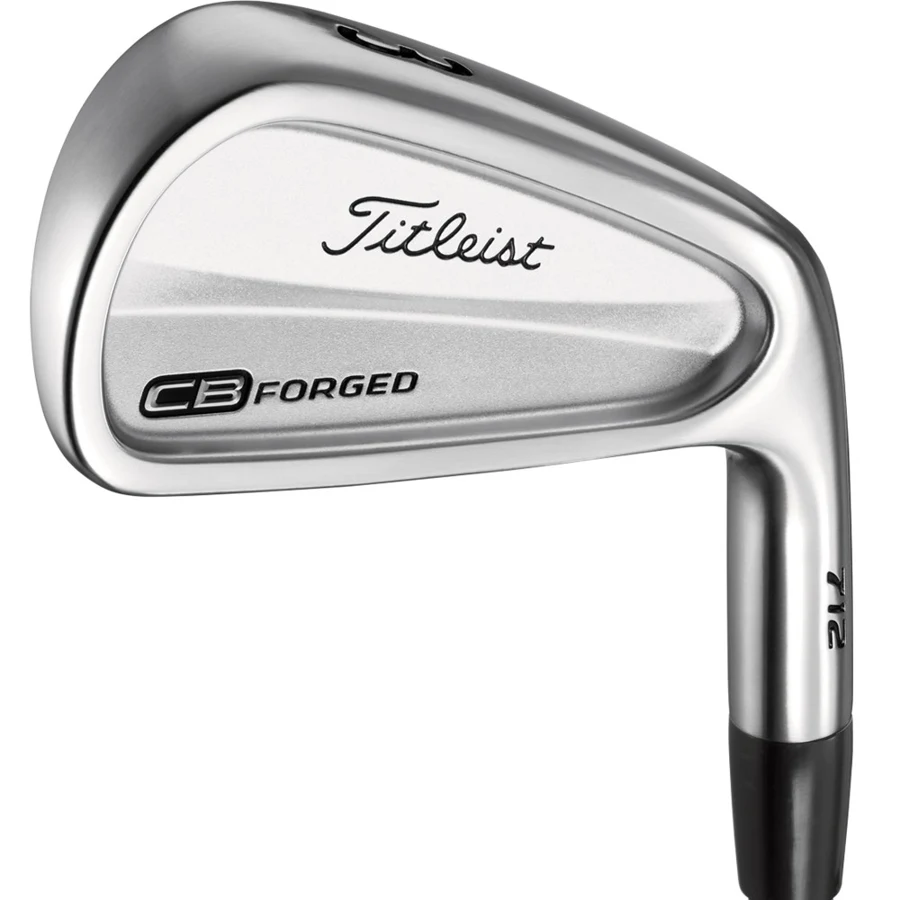
CB irons (712)
Titleist CB (712), with a 35° 7-iron and 47° pitching wedge in Titleist’s published table.
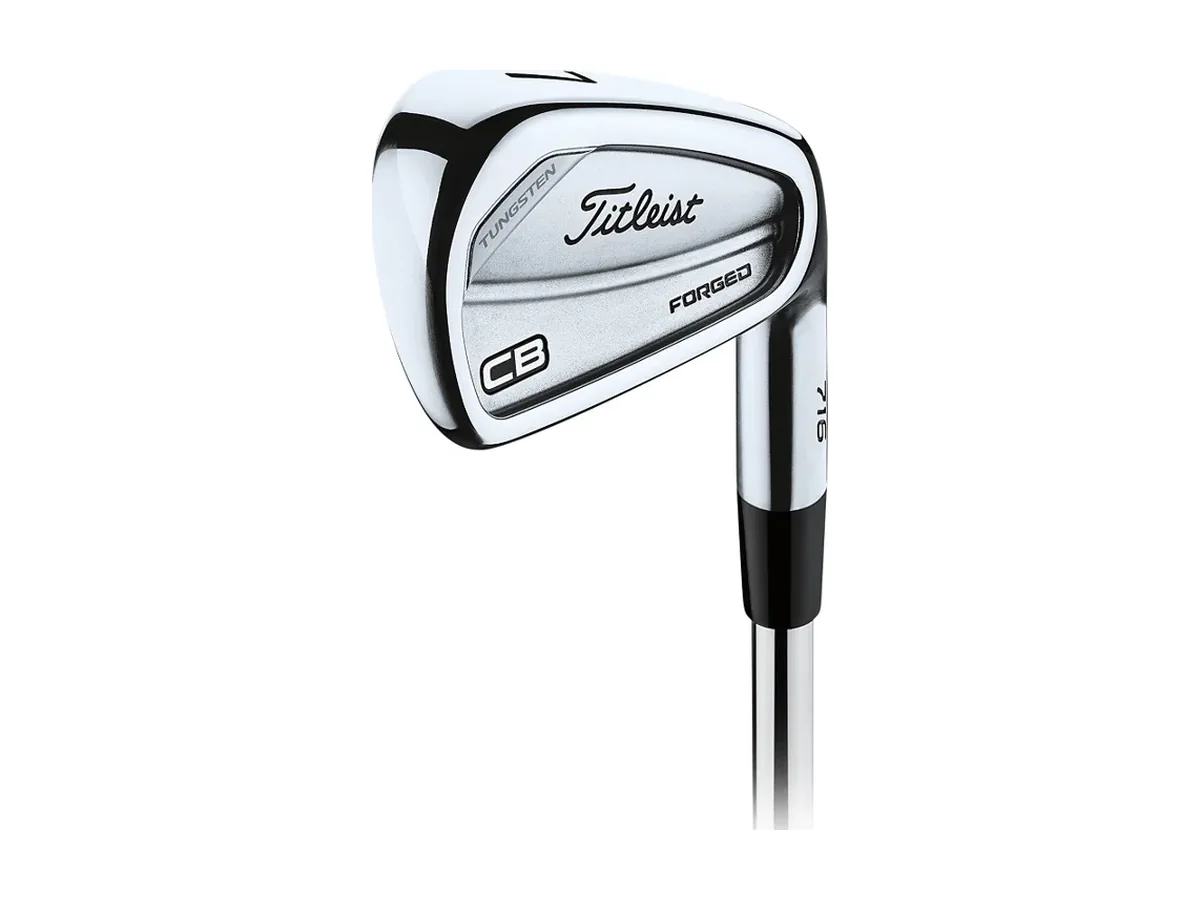
CB irons (716)
The 716 CB cavity-back chart starts with an 18° 2-iron and ends with a 47° pitching wedge.
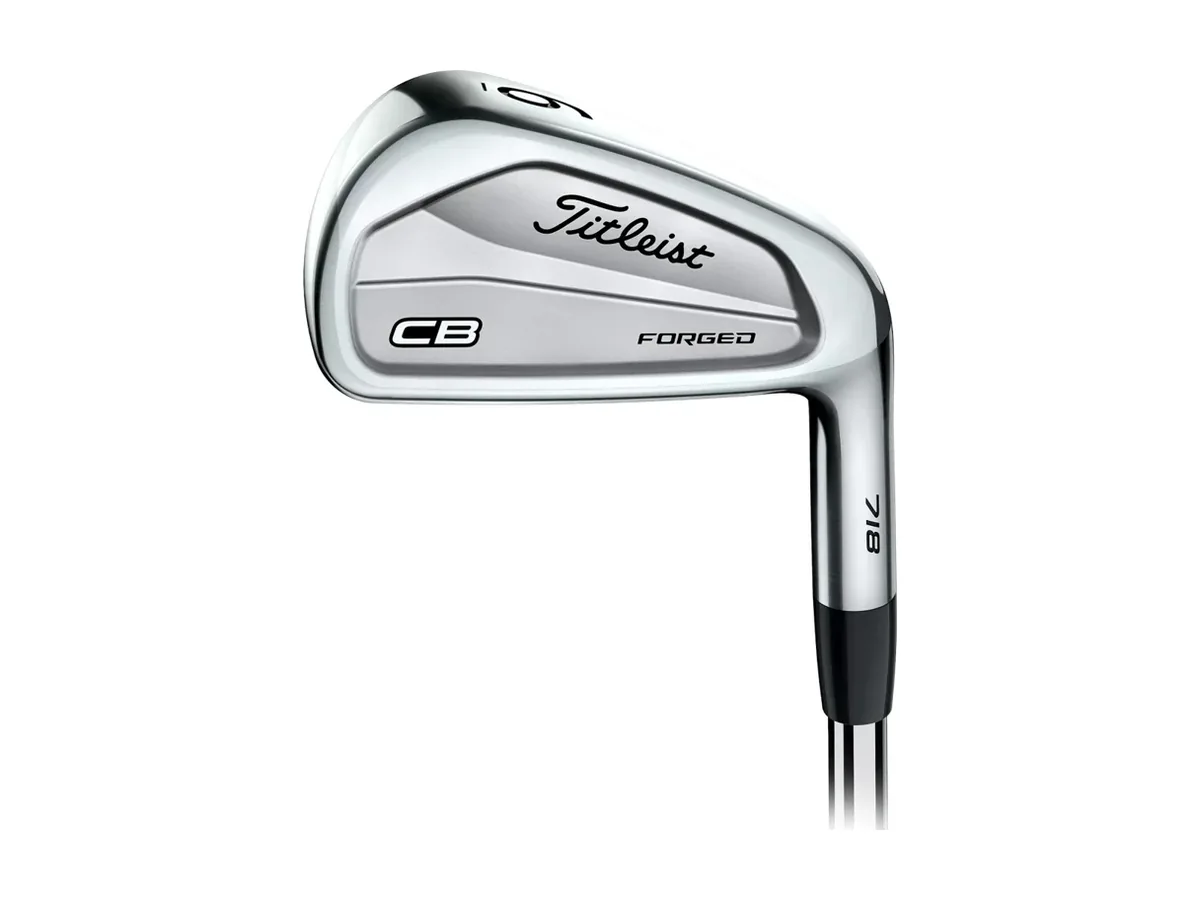
CB irons (718)
The 718 CB chart includes 2–PW and a 35° 7-iron; its shared 718 table must be read from the CB loft row.
MB irons (710)
Titleist MB (710), with a 35° 7-iron and 47° pitching wedge in Titleist’s published table.
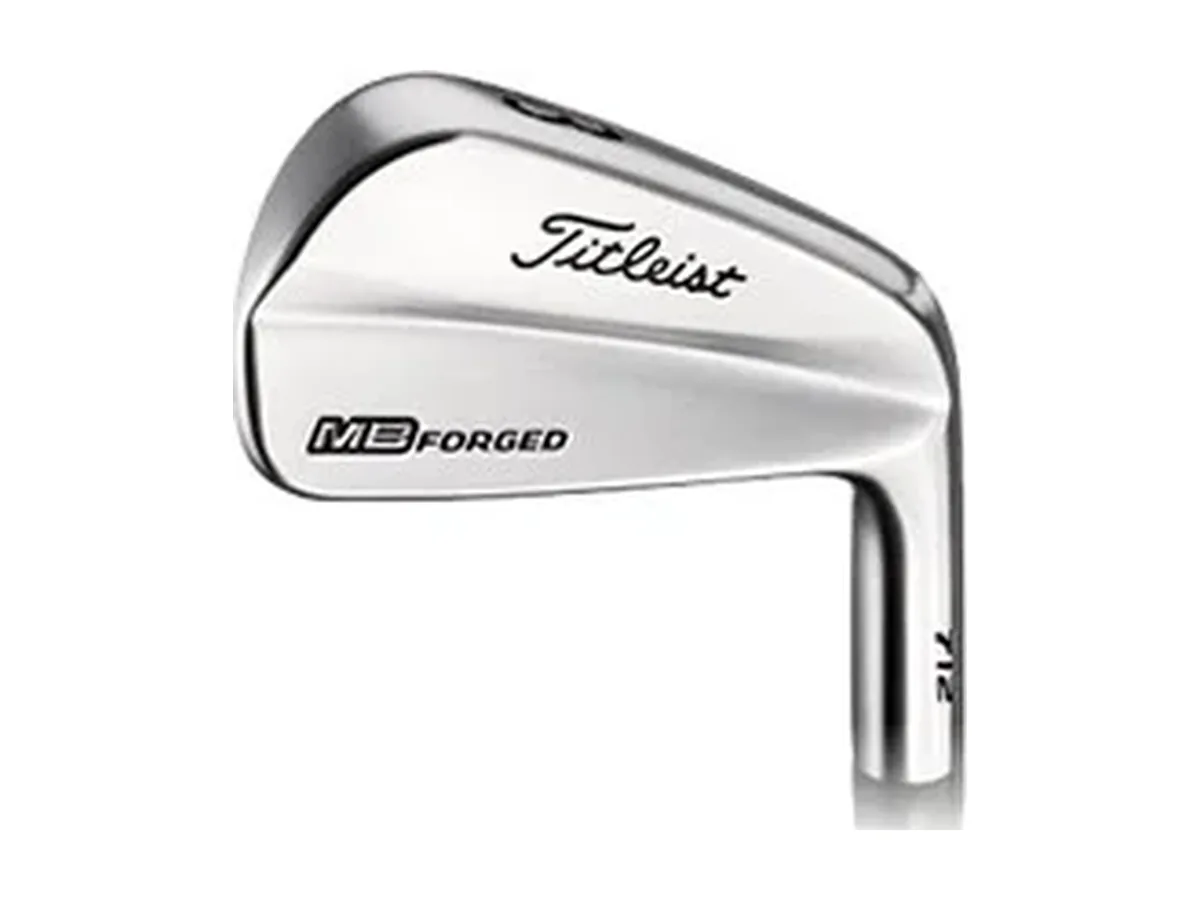
MB irons (712)
The 712 MB archive provides a 3–PW muscle-back chart with a 35° 7-iron and 47° pitching wedge.
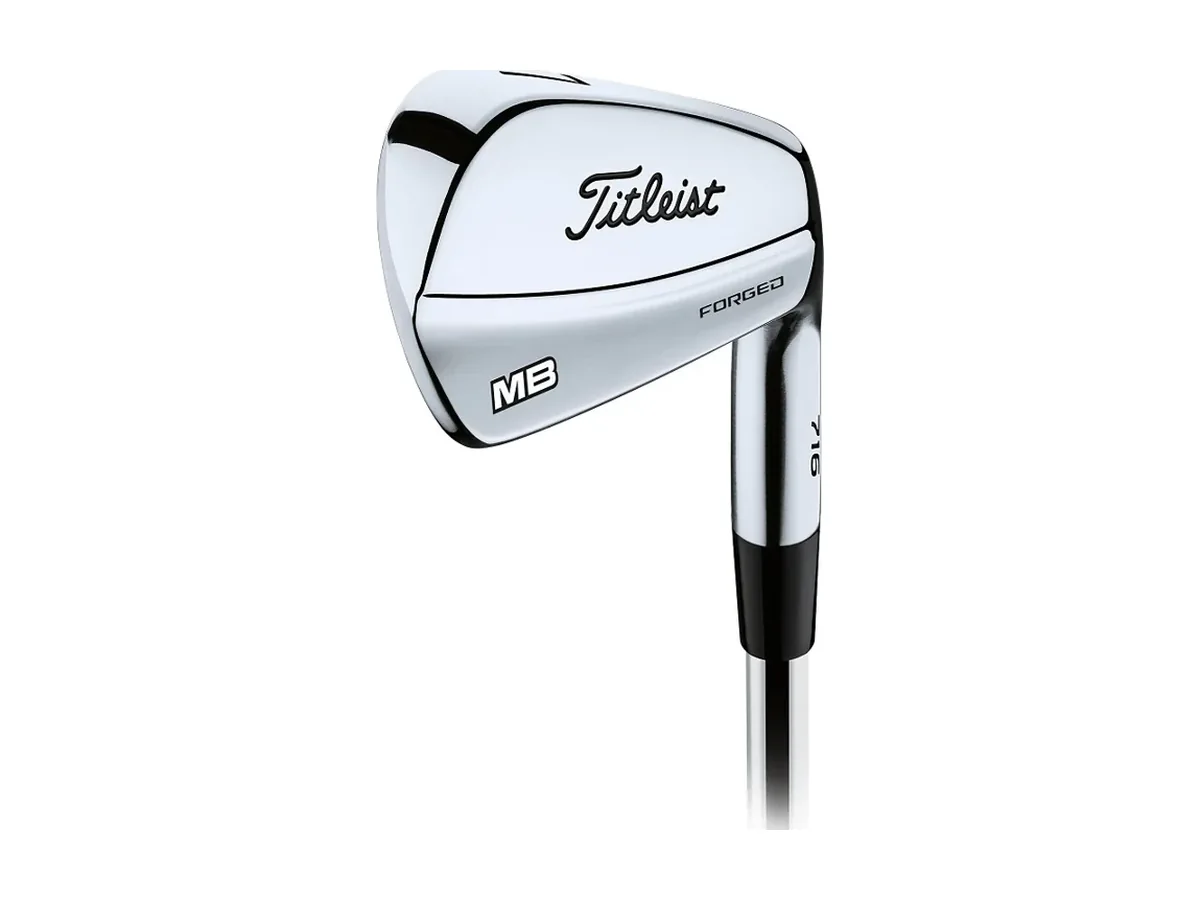
MB irons (716)
The 716 MB muscle-back chart covers 3–PW, with a 35° 7-iron and 47° pitching wedge.
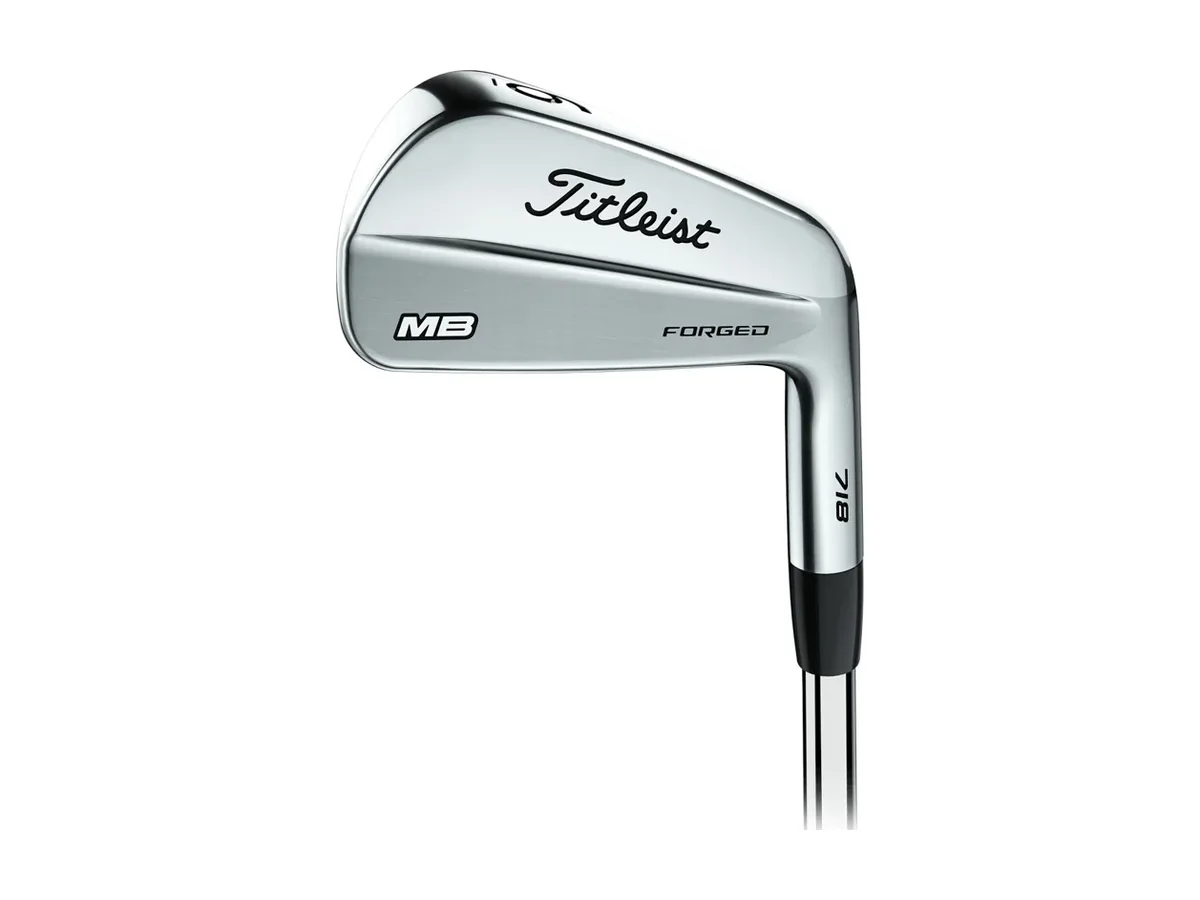
MB irons (718)
The 718 MB chart covers 3–PW, with 35° and 47° lofts for the 7-iron and pitching wedge.
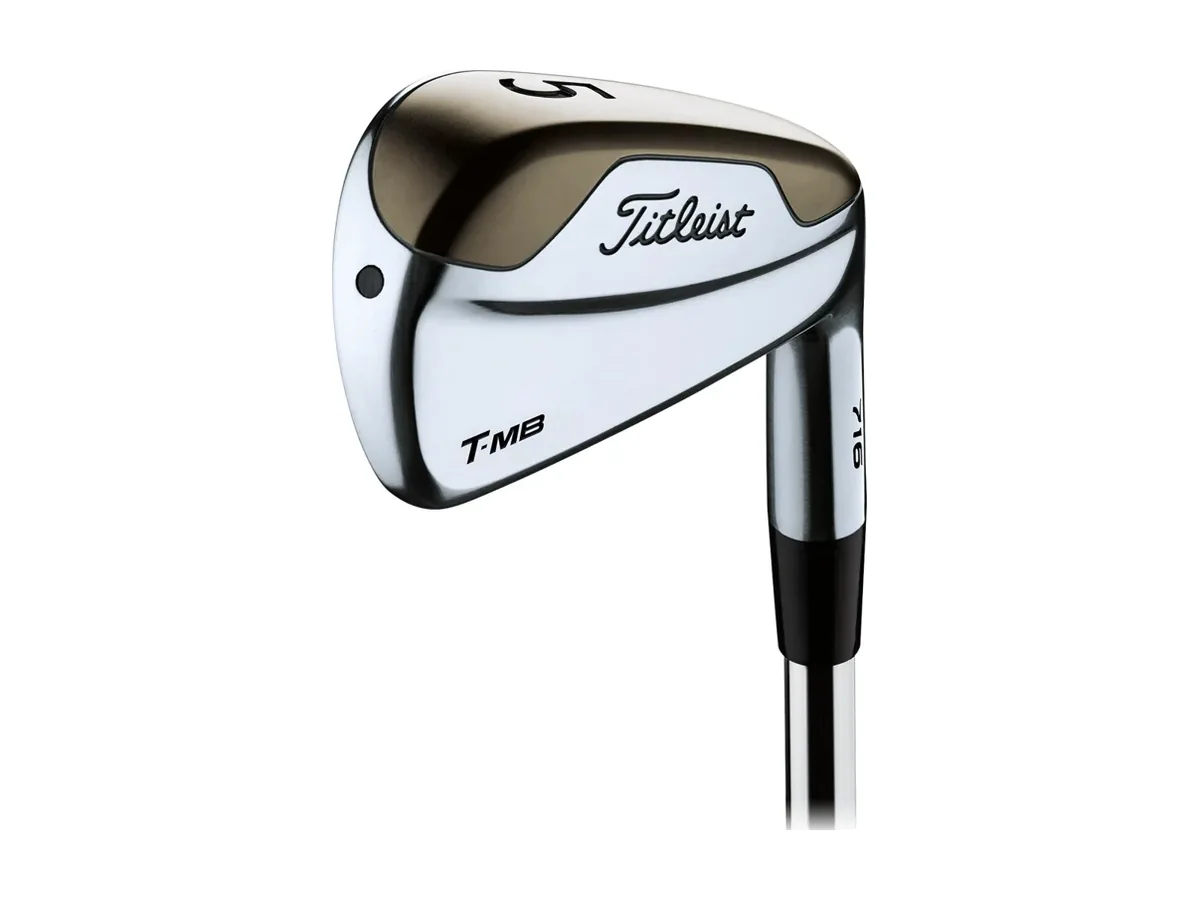
T-MB irons (716)
The 716 T-MB chart covers 2–W, including a 33° 7-iron, 45° pitching wedge and 50° W.
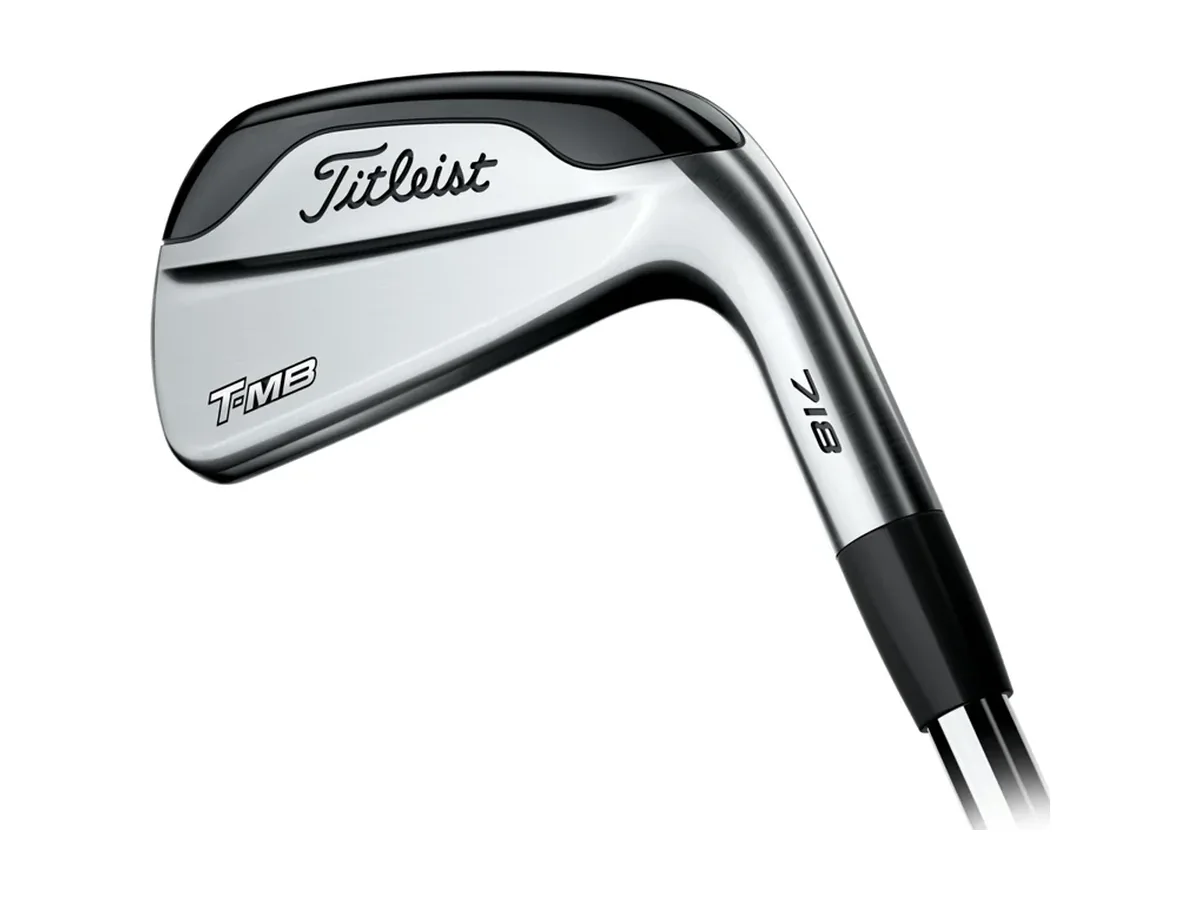
T-MB irons (718)
The 718 T-MB chart covers 2–W, with a 33° 7-iron and separate 45° pitching and 50° W rows.
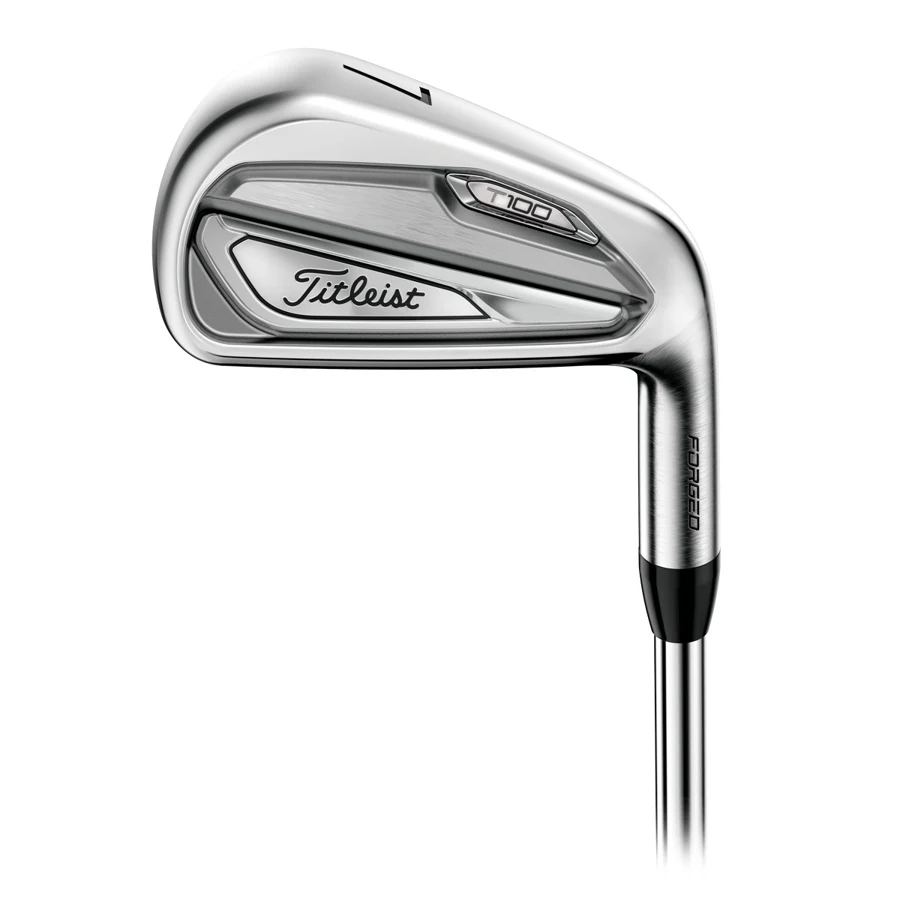
T100 irons (720)
Titleist T100 (720), with a 34° 7-iron and 46° pitching wedge in Titleist’s published table.
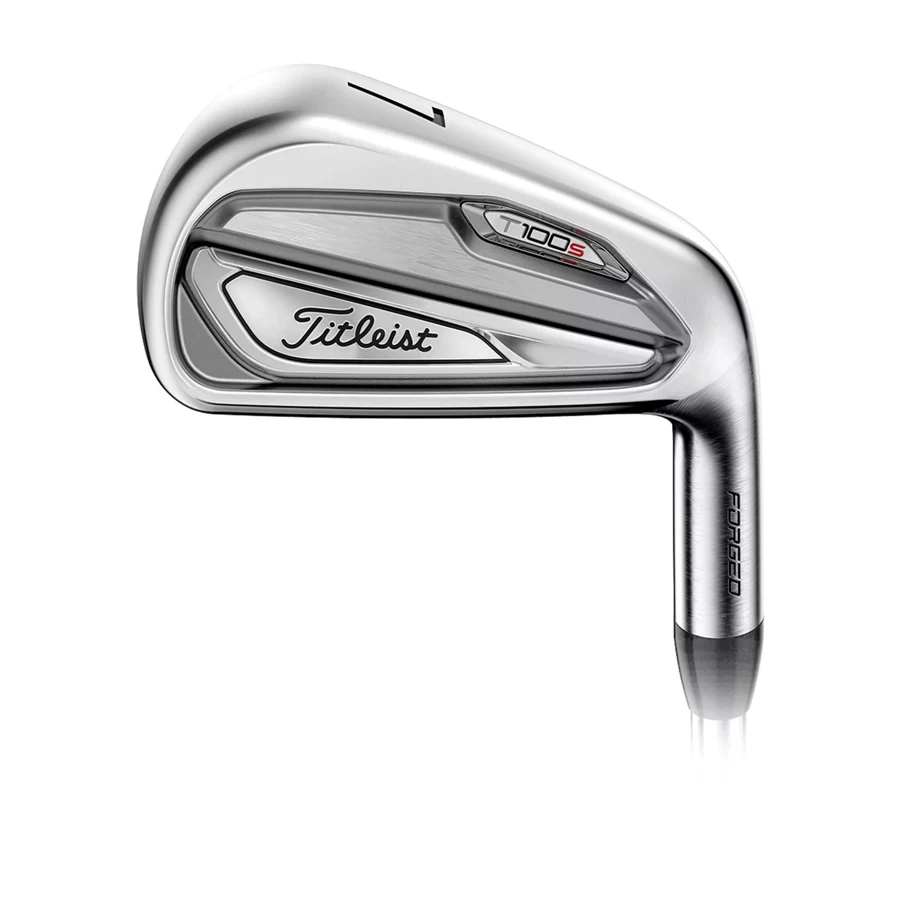
T100·S irons (720)
Titleist T100·S (720), with a 32° 7-iron and 44° pitching wedge in Titleist’s published table.
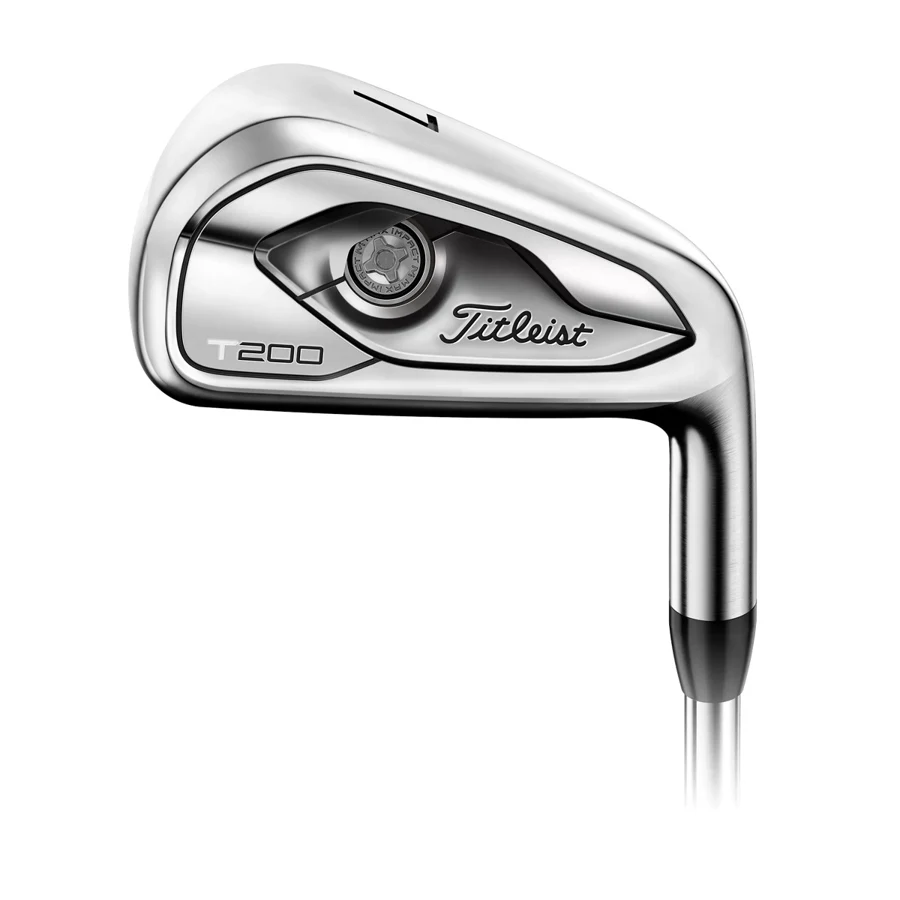
T200 irons (720)
Titleist T200 (720), with a 30° 7-iron and 43° pitching wedge in Titleist’s published table.
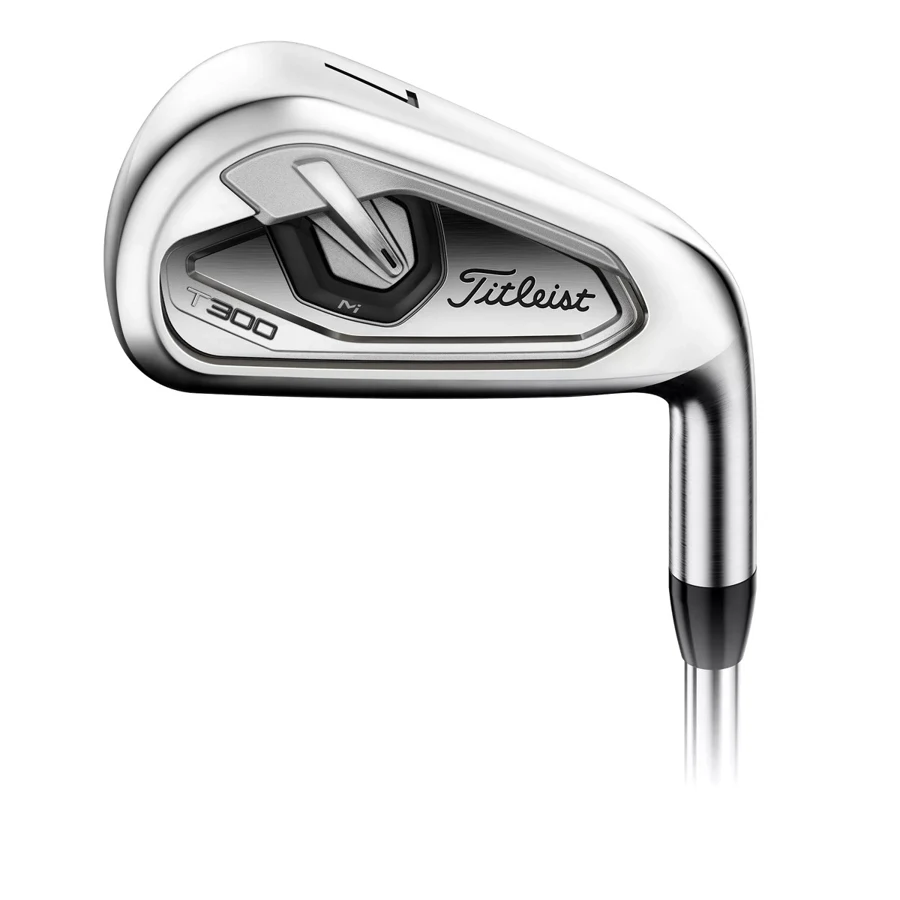
T300 irons (720)
Titleist T300 (720), with a 29° 7-iron and 43° pitching wedge in Titleist’s published table.
Finding the right record
The family name and generation must both match. A reused name can refer to different heads. A generation code or archive year is an identification label, not proof of an individual club's manufacture date.
Read the build notes alongside the table. Standard shaft lengths, custom orders and later modifications can all affect the clubs in a used set.
Use our used iron checklist →