Original iron specifications
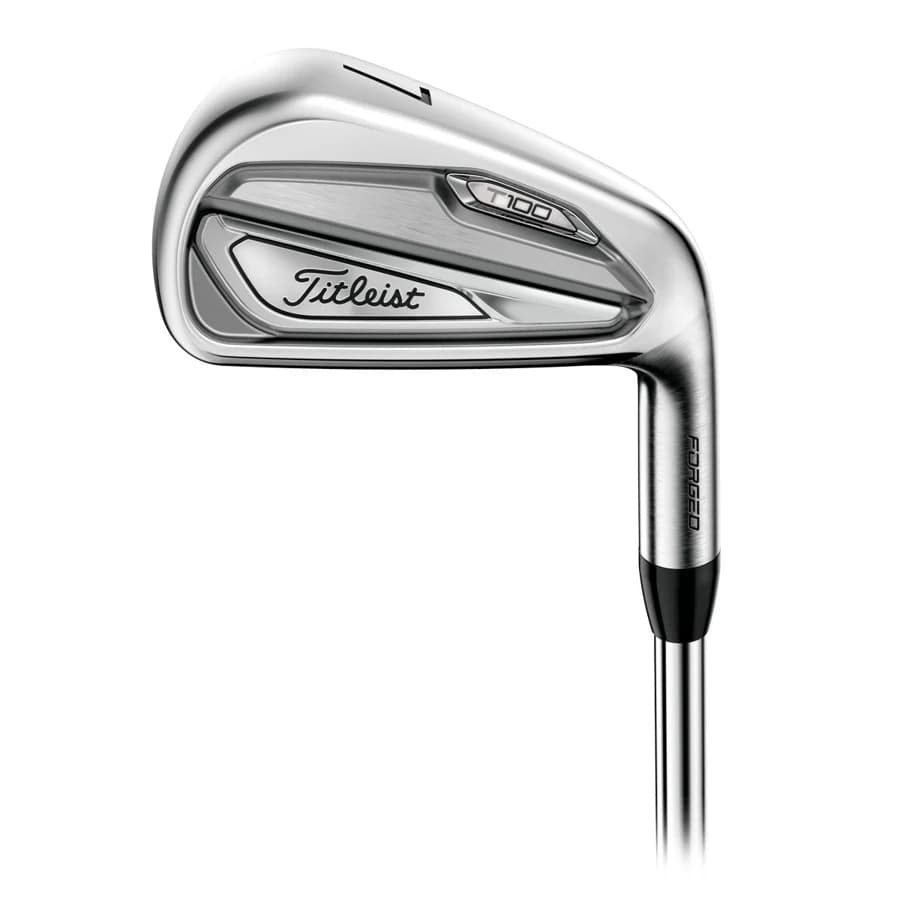
Titleist T100 irons (720)
Titleist T100 (720), with a 34° 7-iron and 46° pitching wedge in Titleist’s published table.
7-iron loft34°
Pitching wedge loft46°
7-iron length37 in
Loft, lie & length chart
Titleist’s standard specification table, lengths in inches.
| Club | Loft (°) | Lie (°) | Length (in) |
|---|---|---|---|
| 3 | 21 | 60 | 39 |
| 4 | 24 | 61 | 38.5 |
| 5 | 27 | 62 | 38 |
| 6 | 30 | 62.5 | 37.5 |
| 7 | 34 | 63 | 37 |
| 8 | 38 | 63.5 | 36.5 |
| 9 | 42 | 64 | 36 |
| PW | 46 | 64 | 35.75 |
| W | 50 | 64 | 35.5 |
Source: Titleist T100 irons (720) model page. Checked 2026-10-08.
How to identify this generation
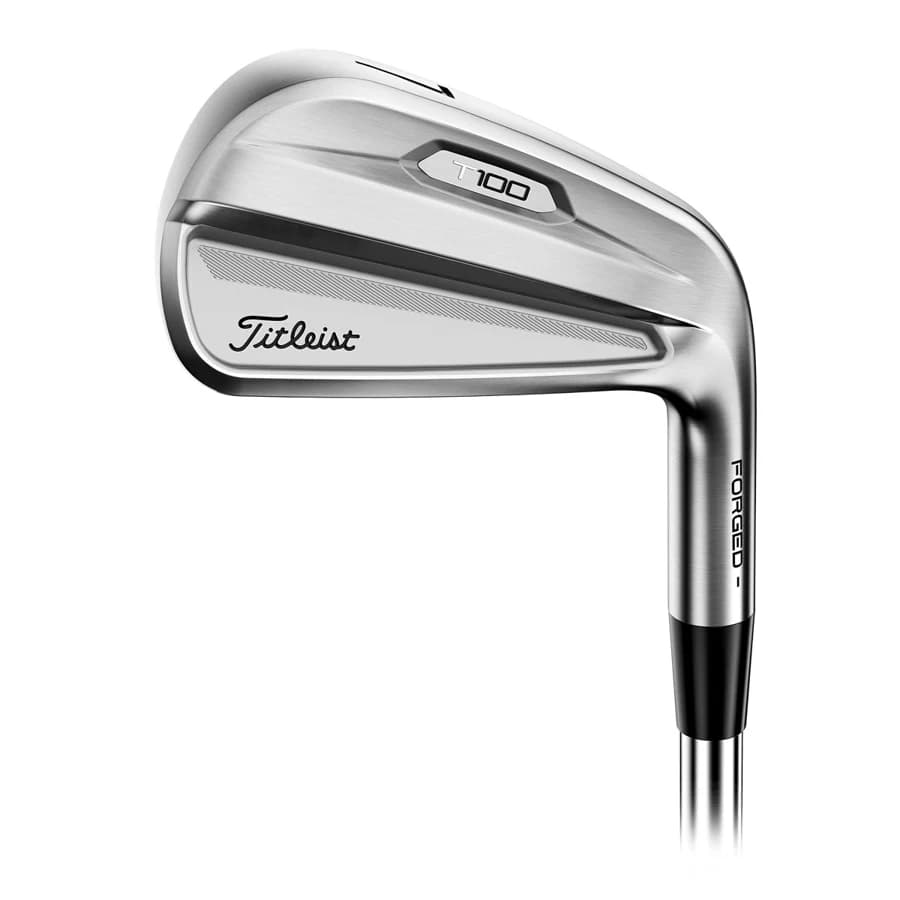
- A Titleist script sits on the lower bar of a dual-cavity back, with a small T100 badge on the upper bar toward the hosel.
- Titleist reuses T-Series model names across generations, so check the generation marking and photo as well as the lofts.
What to notice in the specifications
- Titleist publishes one T-Series table per generation: each model has its own lofts, while lie and length are listed per club number for the whole 720 lineup. Read the model and generation markings before matching a chart.
- Titleist labels the gap wedge “W” (with W2 and W3 for weaker models); the labels are kept as published.
Checking a club you own? These are the maker's published figures for an original build, not measurements of your club, and a source date is not the year it was made. Bending, reshafting or a hosel adjustment changes loft, lie and length, so identify the head by its own markings and have a fitter measure it when its history is unclear.
Read our loft guide for a worked example of comparing the numbers, and our used iron checklist before relying on a seller's description.
Continue with Titleist
TitleistGeneration 720
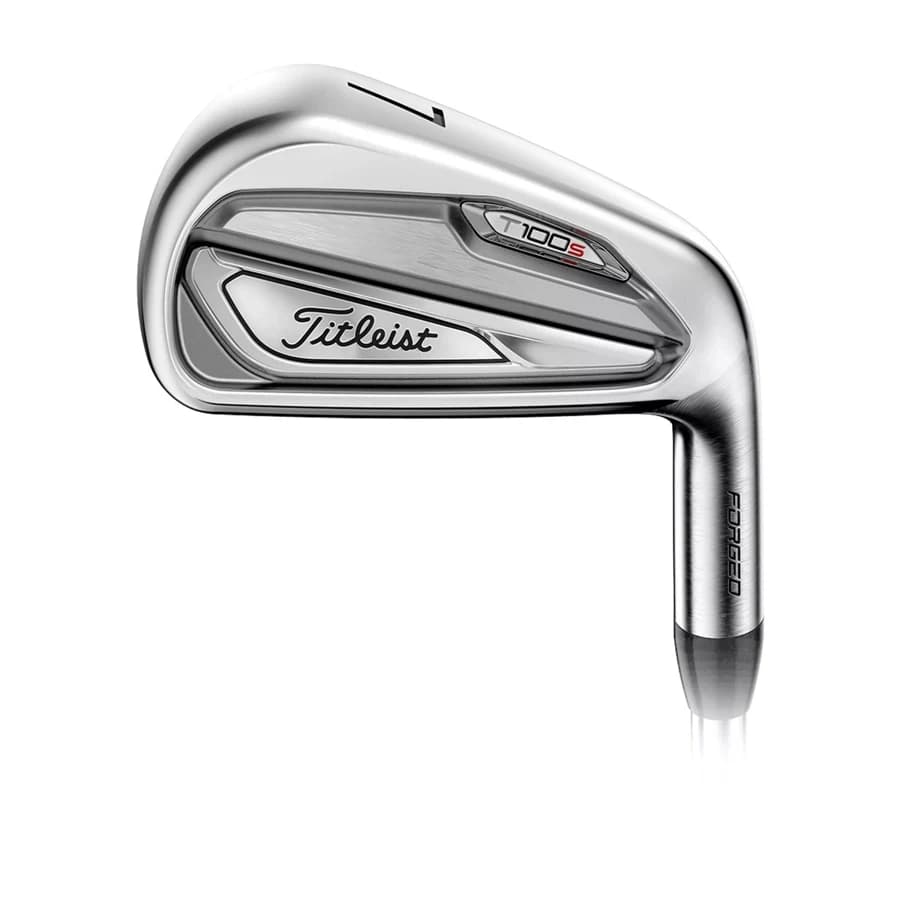
T100·S irons (720)
Titleist T100·S (720), with a 32° 7-iron and 44° pitching wedge in Titleist’s published table.
32° 7-iron loft
TitleistGeneration 720
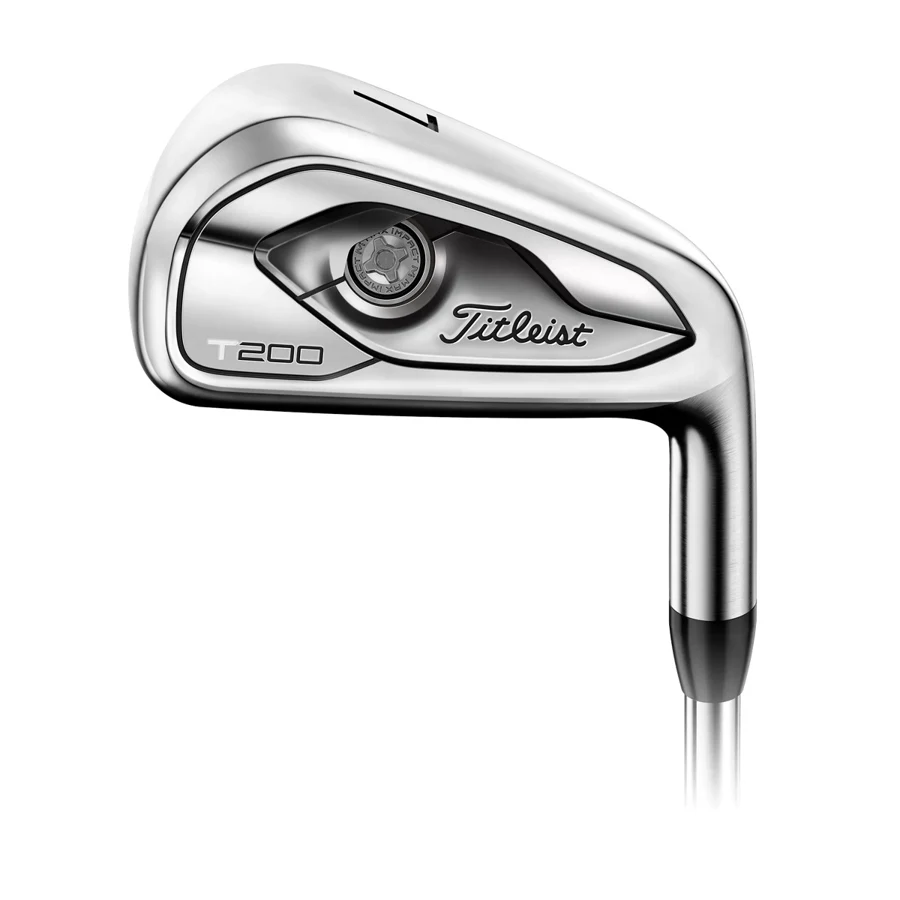
T200 irons (720)
Titleist T200 (720), with a 30° 7-iron and 43° pitching wedge in Titleist’s published table.
30° 7-iron loft
TitleistGeneration 720
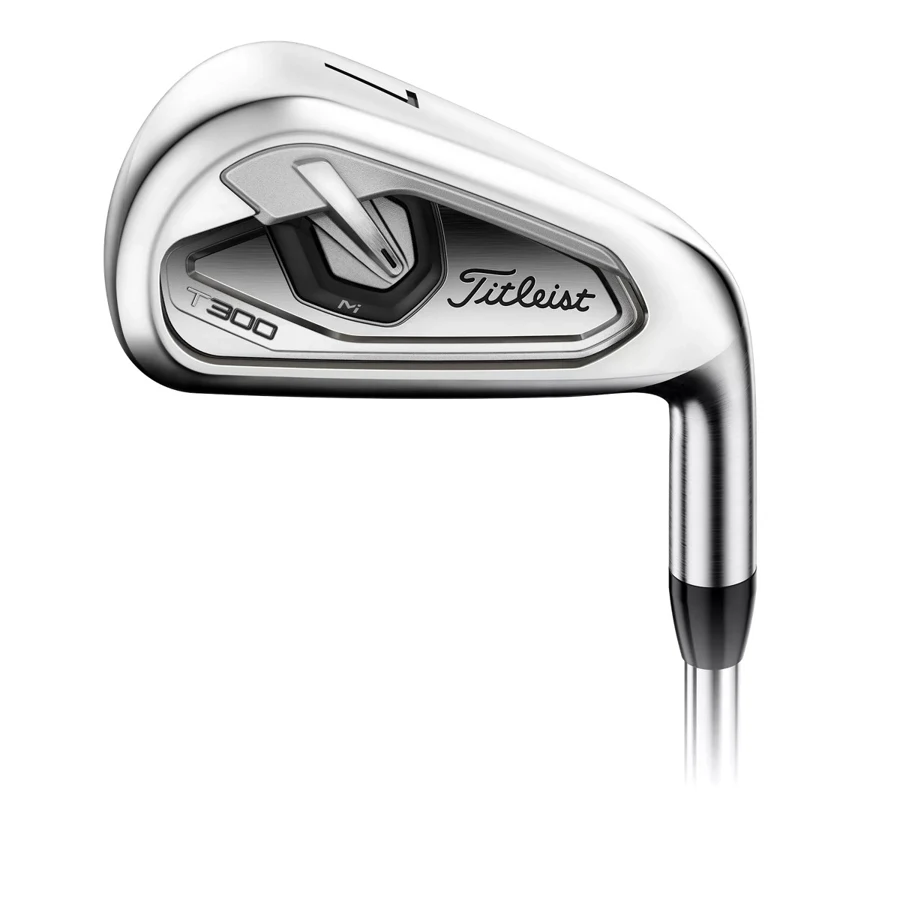
T300 irons (720)
Titleist T300 (720), with a 29° 7-iron and 43° pitching wedge in Titleist’s published table.
29° 7-iron loft
TitleistGeneration 2021
T100 irons (2021)
Titleist T100 (2021), with a 34° 7-iron and 46° pitching wedge in Titleist’s published table.
34° 7-iron loft