Wilson irons, generation by generation.
Compare the Staff Model Blade, CB and XB irons with the forged DynaPwr game-improvement set. This is the current collection, rather than a complete history of every Wilson iron.
Wilson iron sets at a glance
Wilson's Staff Model Blade and CB share the same lofts, lies and lengths through the set; the XB is stronger. Check the name on the back of the head rather than relying on the numbers.
| Model and generation | Model year | 7-iron | Pitching wedge | Listed clubs |
|---|---|---|---|---|
| Ci11 irons (2013 US page) | Not stated | 32° | 44° | 3–SW |
| C100 irons (2014 US page) | Not stated | 32° | 44° | 3–SW |
| D100 irons (2014 US page) | Not stated | 31° | 43° | 4–SW |
| FG Tour M3 irons (2014 US page) | Not stated | 35° | 47° | 3–GW |
| D7 irons (2019 US page) | Not stated | 28° | 43° | 4–SW |
| C300 Forged Gun Metal irons (2020 US page) | Not stated | 33° | 45° | 4–GW |
| D7 Forged irons (2020 US page) | Not stated | 30.5° | 44° | 3–GW |
| Launch Pad irons (2021 US page) | Not stated | 30° | 44° | 4–SW |
| DynaPwr Forged irons (2026 US page) | Not stated | 30.5° | 44° | 3–GW |
| Staff Model Blade irons (2026 US page) | Not stated | 34° | 46° | 3–PW |
| Staff Model CB irons (2026 US page) | Not stated | 34° | 46° | 3–GW |
| Staff Model XB irons (2026 US page) | Not stated | 32° | 46° | 2–GW |
Listed clubs show the manufacturer's specification range, not the contents of every retail or used set. Model years are shown only where the source states one. Equal loft does not establish equal carry distance or fit.
To see how these lofts compare with other brands and with older sets, read our 7-iron loft study. Not sure which of these sets you own? Narrow them down by name, era or 7-iron loft with the Wilson iron year finder.
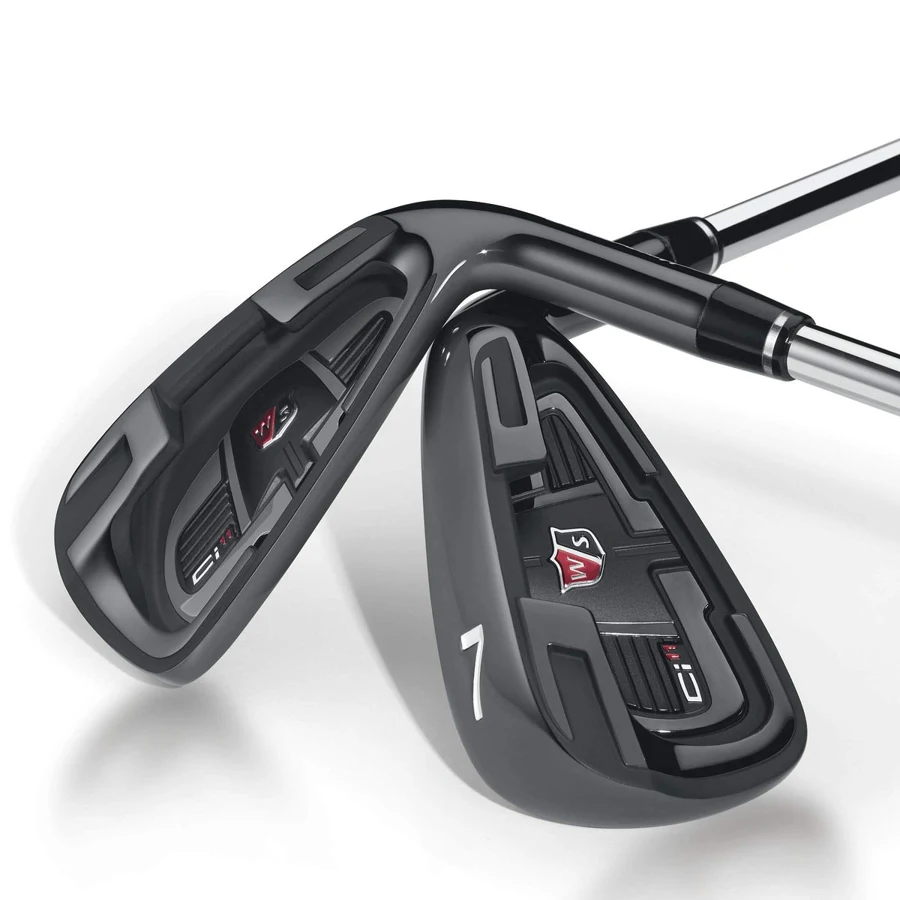
Ci11 irons (2013 US page)
Ci11 from Wilson’s archived US product page, with a 32° 7-iron and 44° pitching wedge.
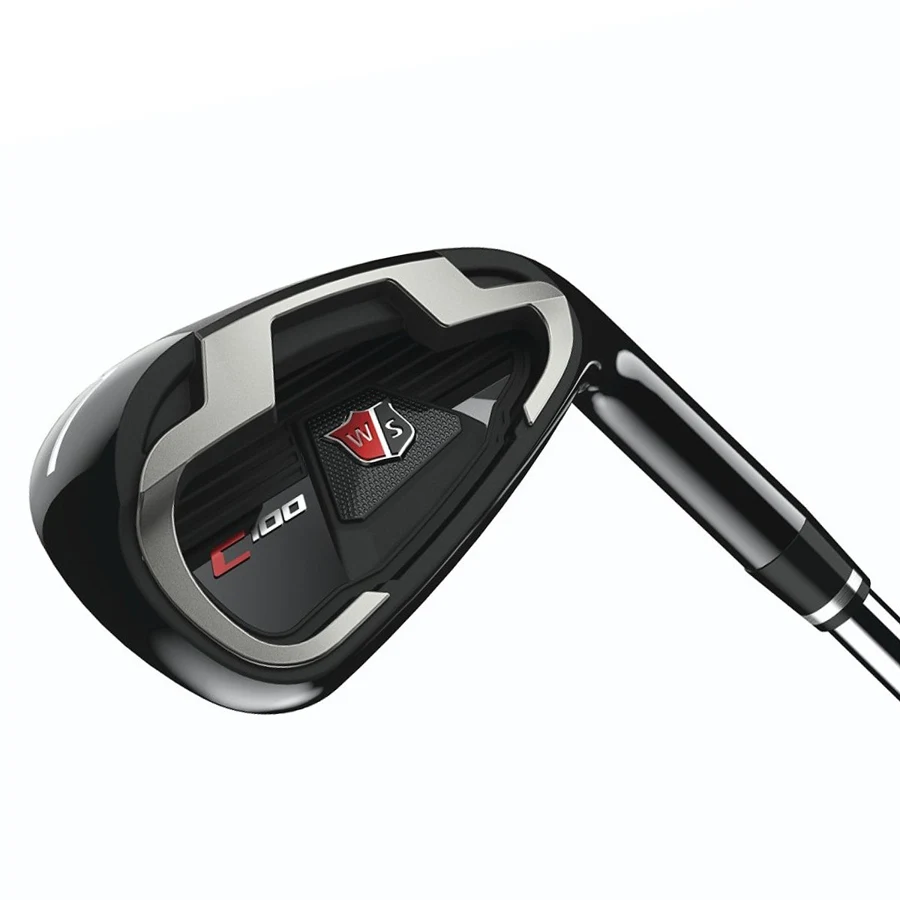
C100 irons (2014 US page)
C100 from Wilson’s archived US product page, with a 32° 7-iron and 44° pitching wedge.
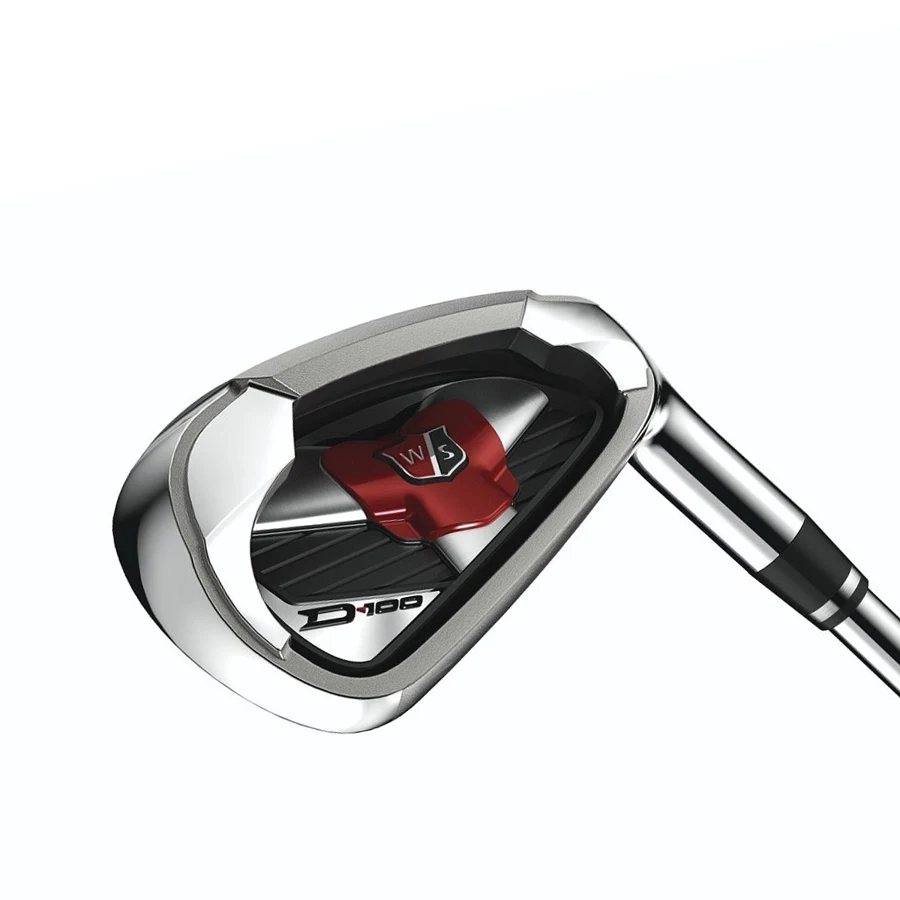
D100 irons (2014 US page)
D100 from Wilson’s archived US product page, with a 31° 7-iron and 43° pitching wedge.
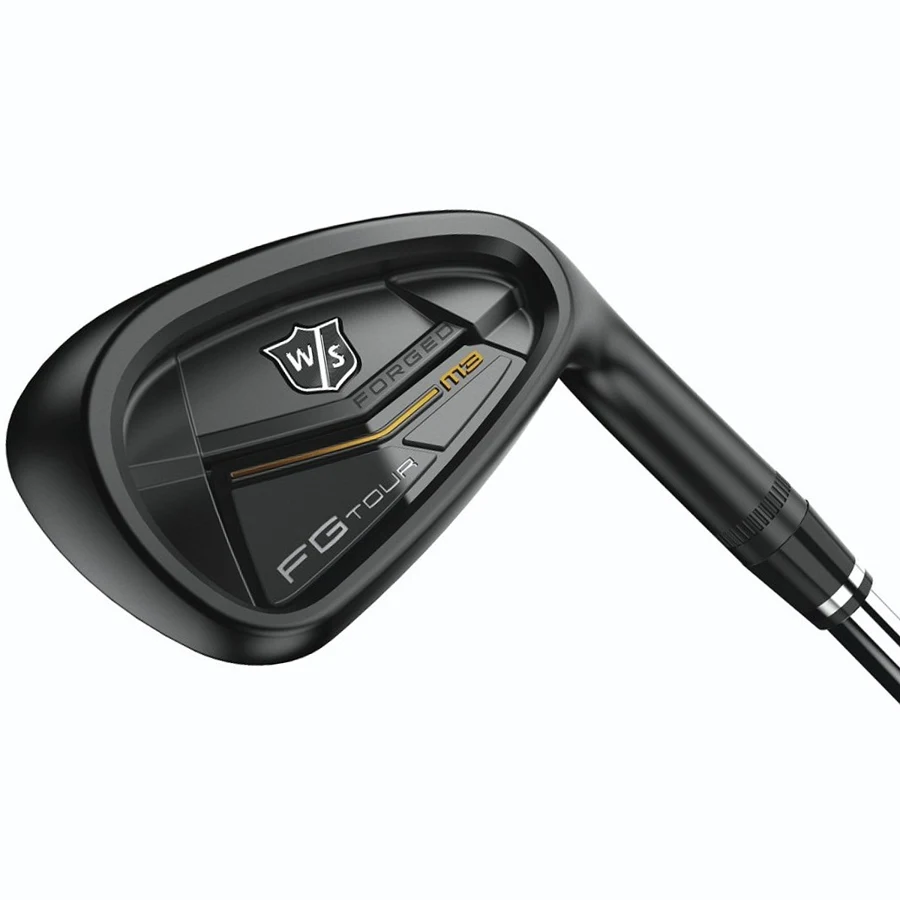
FG Tour M3 irons (2014 US page)
FG Tour M3 from Wilson’s archived US product page, with a 35° 7-iron and 47° pitching wedge.
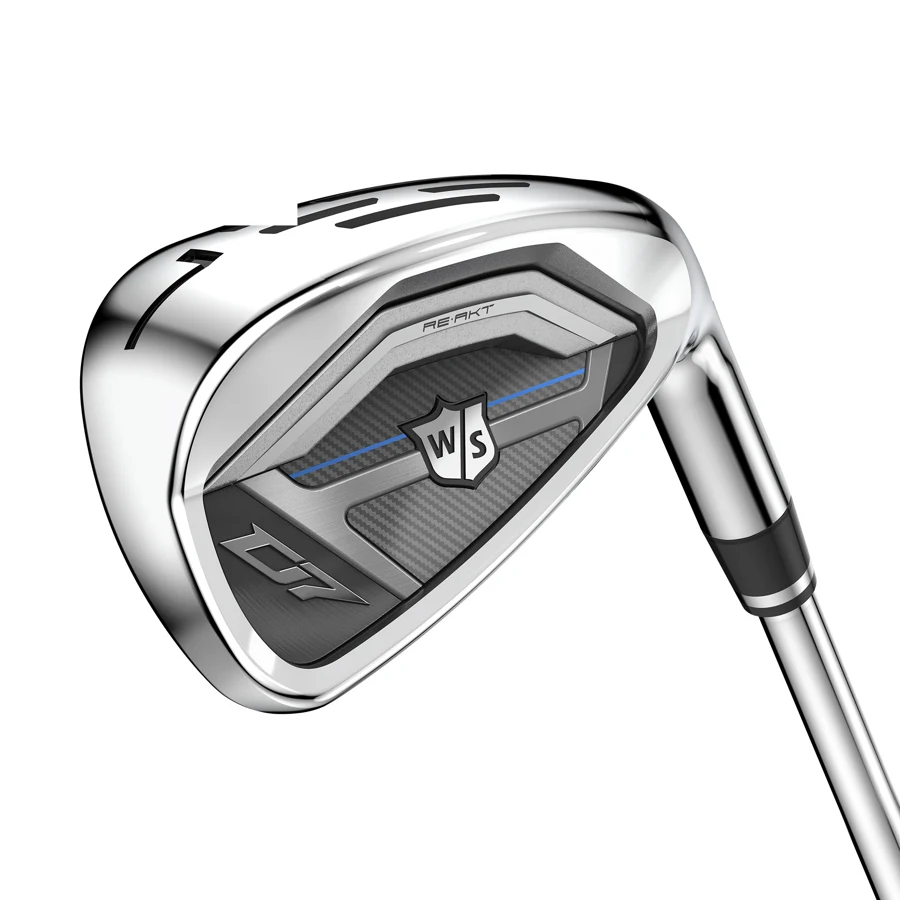
D7 irons (2019 US page)
D7 from Wilson’s archived US product page, with a 28° 7-iron and 43° pitching wedge.
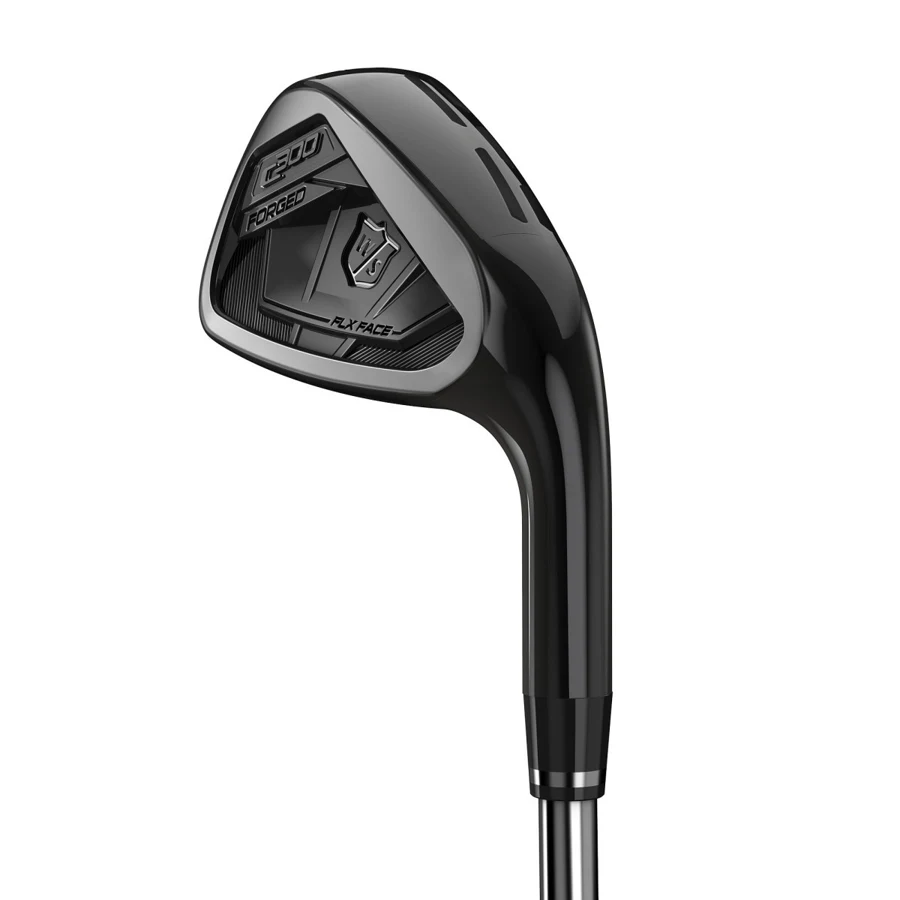
C300 Forged Gun Metal irons (2020 US page)
C300 Forged Gun Metal from Wilson’s archived US product page, with a 33° 7-iron and 45° pitching wedge.
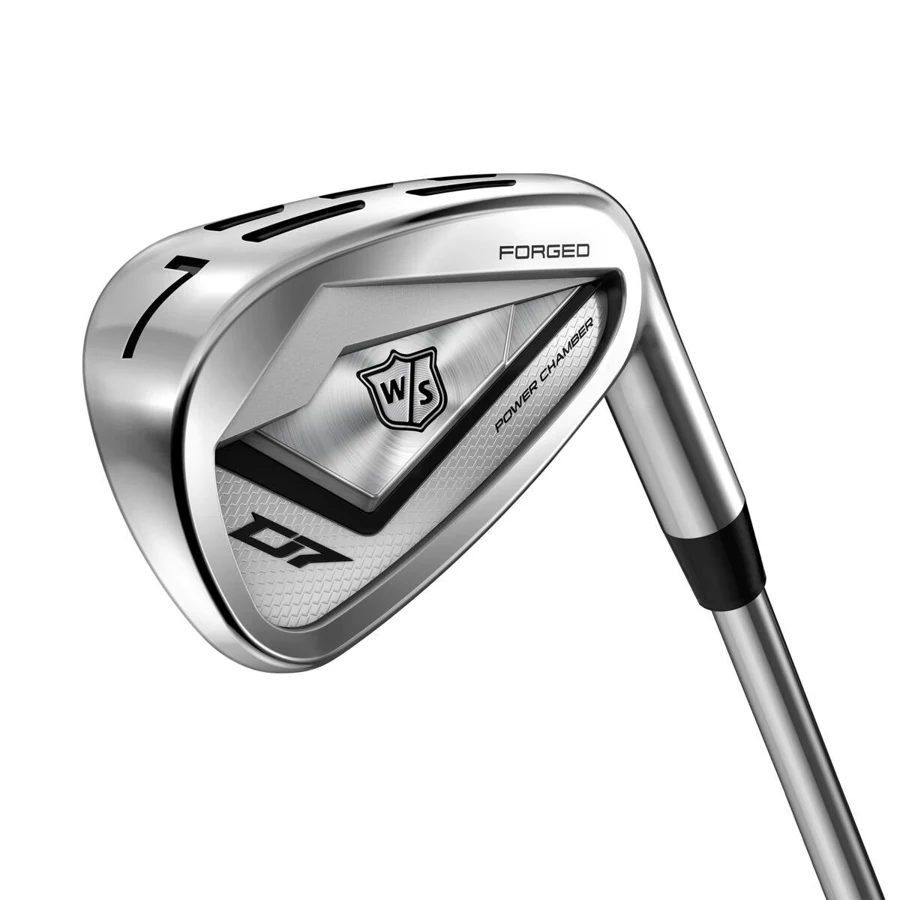
D7 Forged irons (2020 US page)
D7 Forged from Wilson’s archived US product page, with a 30.5° 7-iron and 44° pitching wedge.
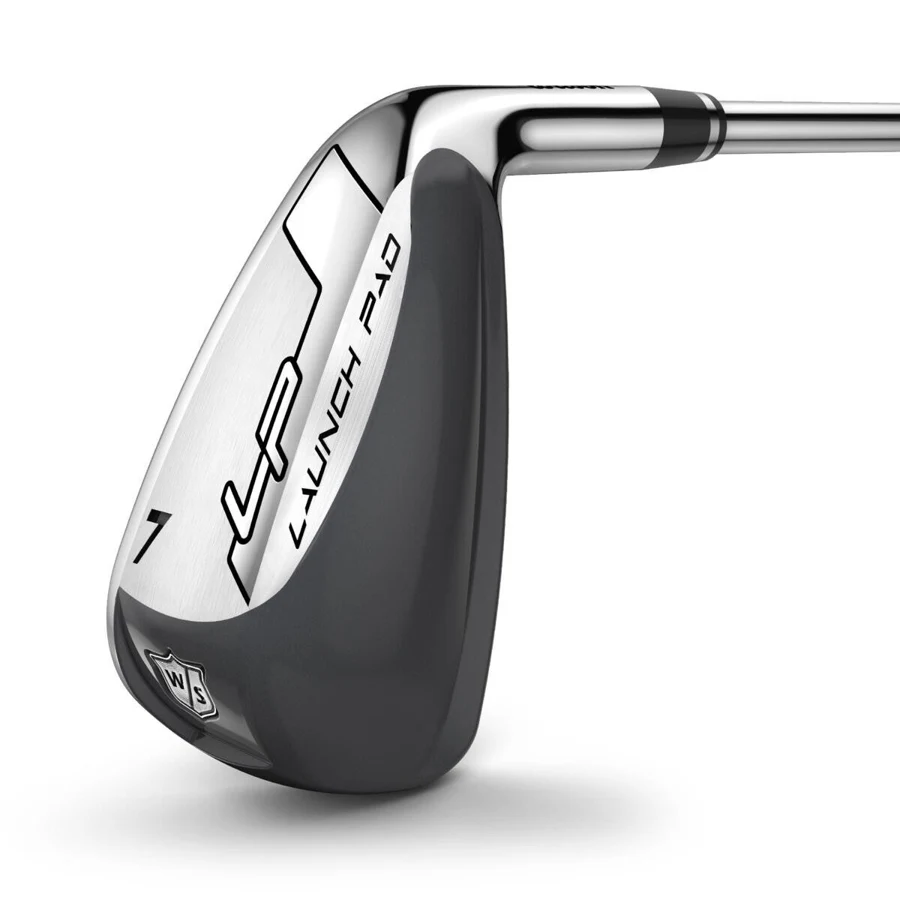
Launch Pad irons (2021 US page)
Launch Pad from Wilson’s archived US product page, with a 30° 7-iron and 44° pitching wedge.
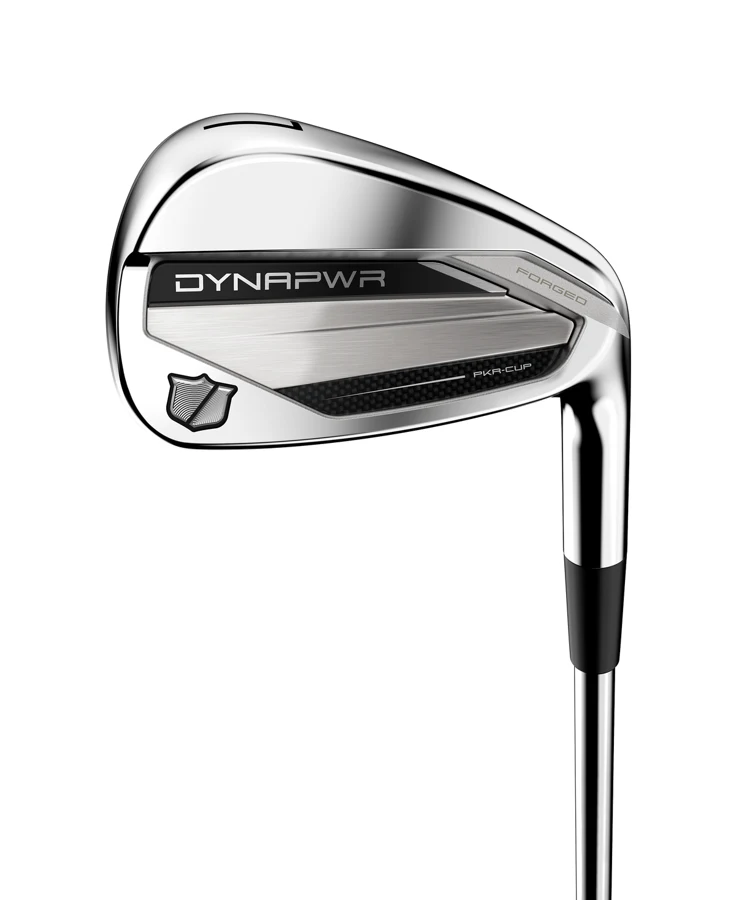
DynaPwr Forged irons (2026 US page)
DynaPwr Forged from Wilson’s current US product page, with a 30.5° 7-iron and 44° pitching wedge.
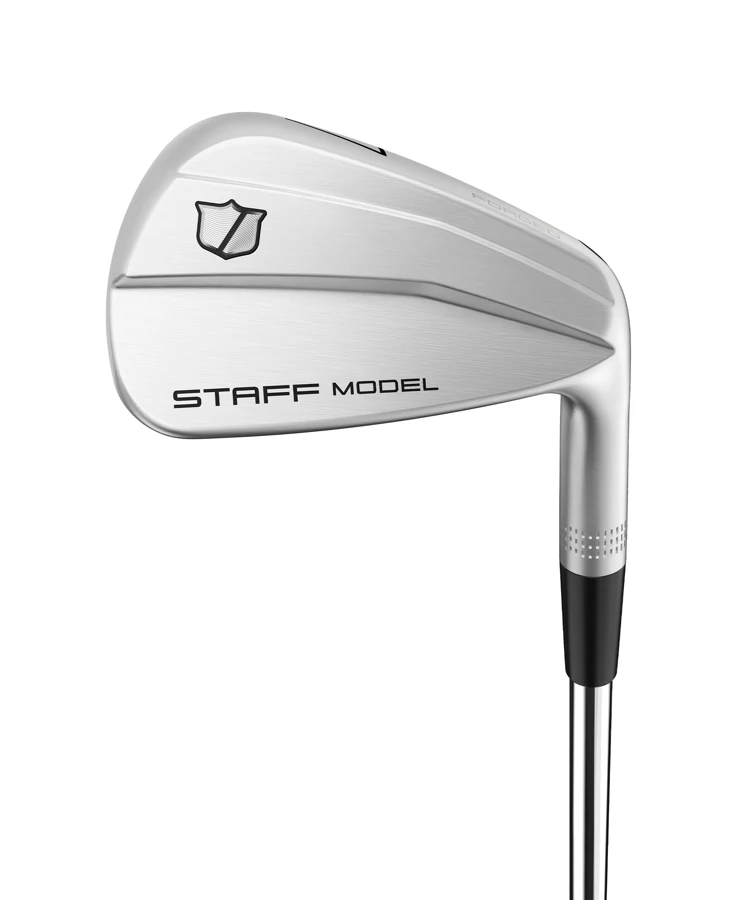
Staff Model Blade irons (2026 US page)
Staff Model Blade from Wilson’s current US product page, with a 34° 7-iron and 46° pitching wedge.
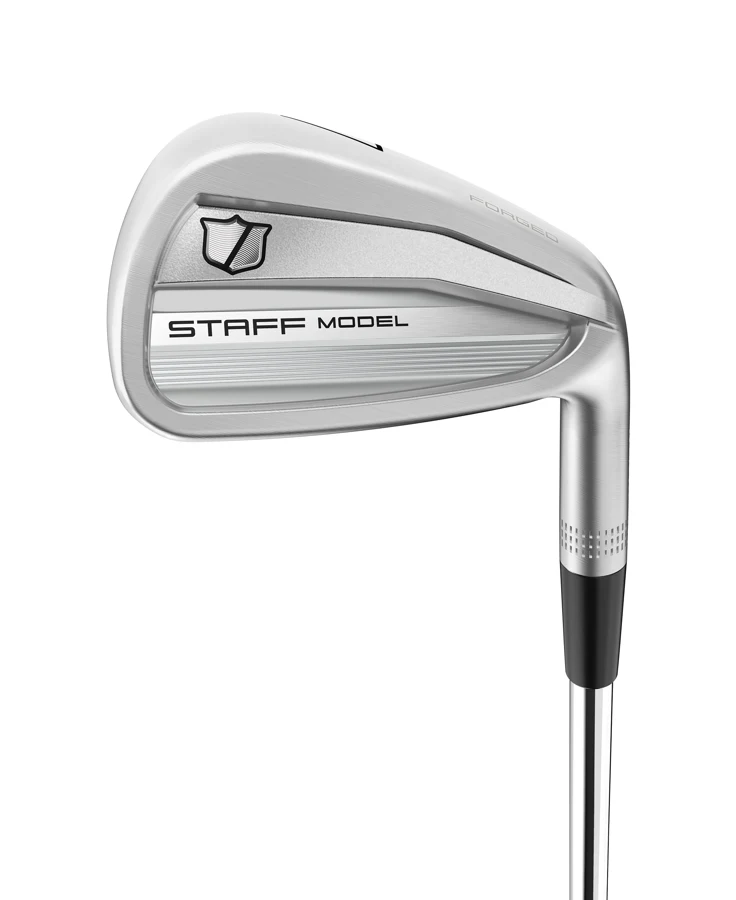
Staff Model CB irons (2026 US page)
Staff Model CB from Wilson’s current US product page, with a 34° 7-iron and 46° pitching wedge.
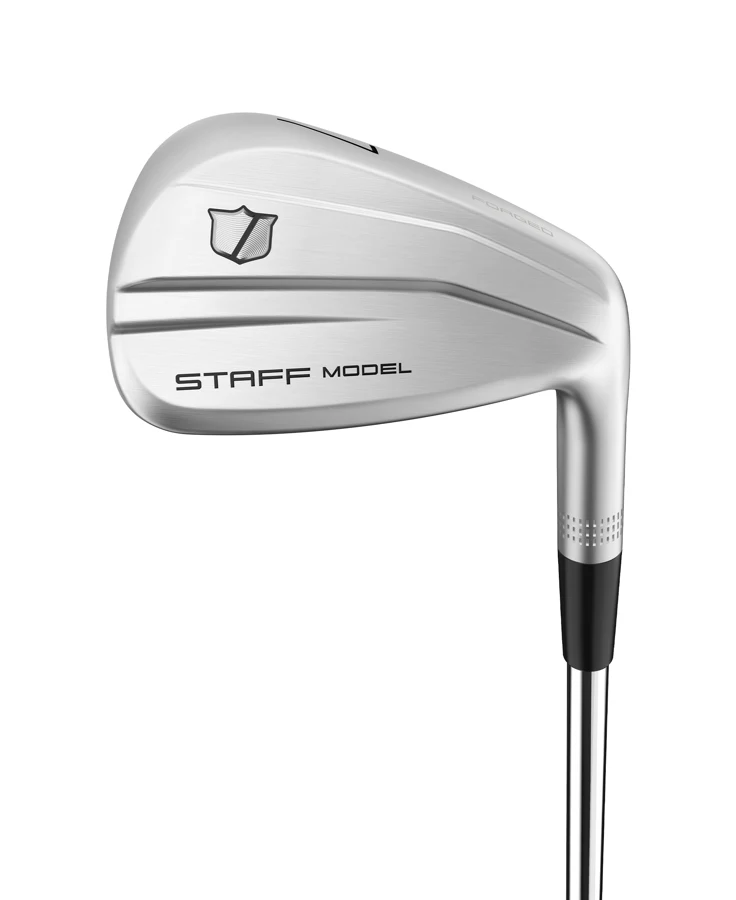
Staff Model XB irons (2026 US page)
Staff Model XB from Wilson’s current US product page, with a 32° 7-iron and 46° pitching wedge.
Finding the right record
The family name and generation must both match. A reused name can refer to different heads. A generation code or archive year is an identification label, not proof of an individual club's manufacture date.
Read the build notes alongside the table. Standard shaft lengths, custom orders and later modifications can all affect the clubs in a used set.
Use our used iron checklist →