PING s159 · Wedge
s159 wedge reference with documented lofts from 46° to 62°. Keep the loft, bounce and grind together when identifying a head.
- Published loft options
- 46, 48, 50, 52, 54, 56, 58, 60, 62°
- Grind labels in the published table
- S, W, Eye 2, H, T, B
- Standard length range
- 35–35.5 in
Documented specifications & build options
PING design specifications: Black Color Code at standard length. The published swing weights use the PING Z-Z115 steel shaft; graphite and custom builds can differ.
| Field | Documented value |
|---|---|
| Published loft options | 46, 48, 50, 52, 54, 56, 58, 60, 62 ° |
| Grind labels in the published table | S, W, Eye 2, H, T, B |
| Standard length range | 35–35.5 in |
| 46° / 48° / 50° / 52° S grind | 12° effective bounce; 64° lie; 35.5 in length |
| 54° / 56° S grind | 12° effective bounce; 64.3° lie; 35.25 in length |
| 58° / 60° S grind | 10° effective bounce; 64.5° lie; 35 in length |
Source: PING s159 manufacturer specifications. Reviewed 2026-10-02.
Identifying the right model
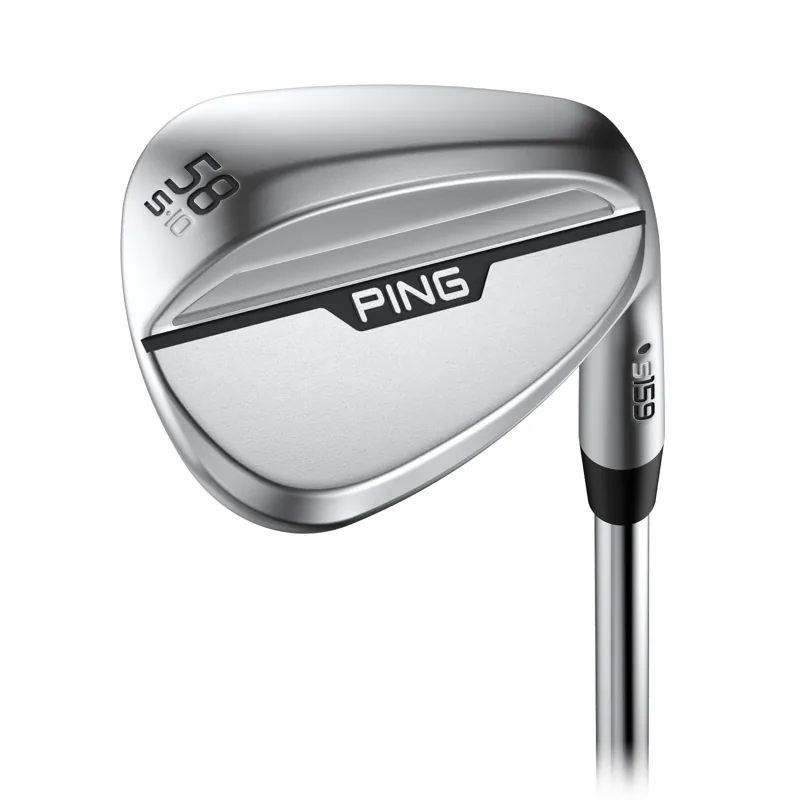
- A black line crosses the back with PING in a dark badge, the loft is stamped on the toe above the grind letter and bounce (58 over S 10 in PING's photo), and s159 is printed on the hosel.
- Check the loft and bounce markings and the grind label together. A shared loft does not establish the same sole configuration.
What to check before using the reference
- PING describes these as design specifications subject to manufacturing tolerances.
- The S-grind rows change lie angle and stock length between loft groups. Use the exact row rather than one universal wedge length.
- The source lists left- and right-handed models; check availability for the exact loft/grind combination.
Continue exploring wedges
ChipR
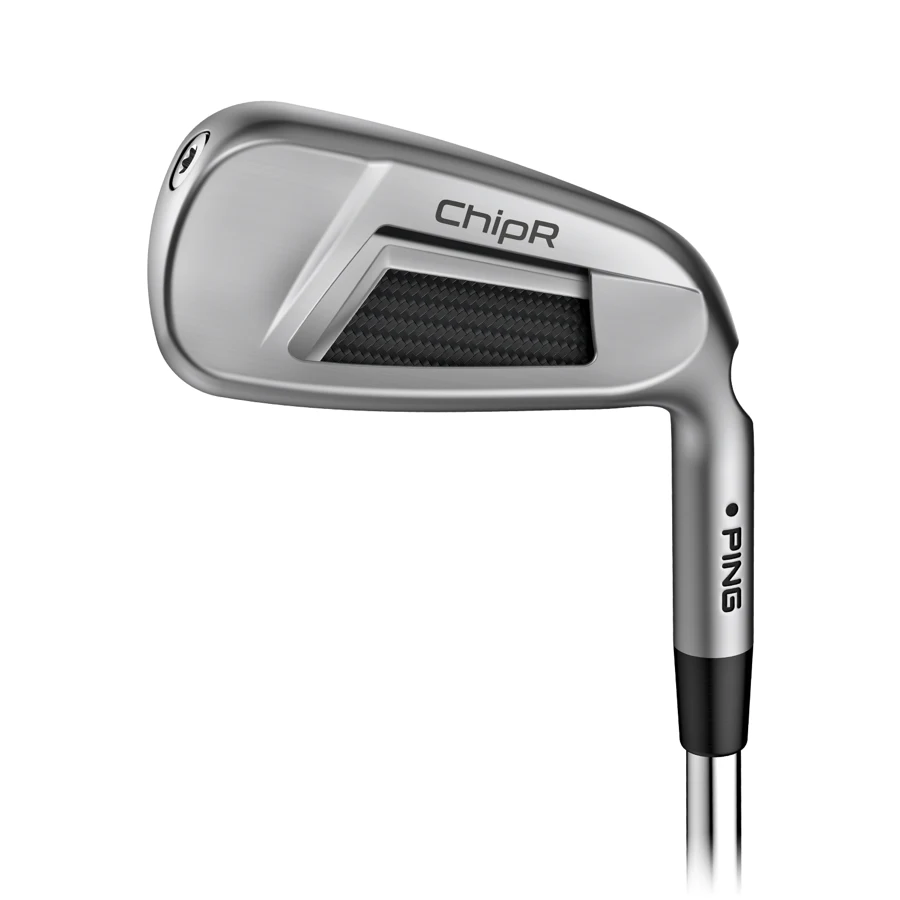
ChipR wedge from PING’s current US product page: one 38.5° head, 8° effective bounce, 34–35 in standard length.
BunkR
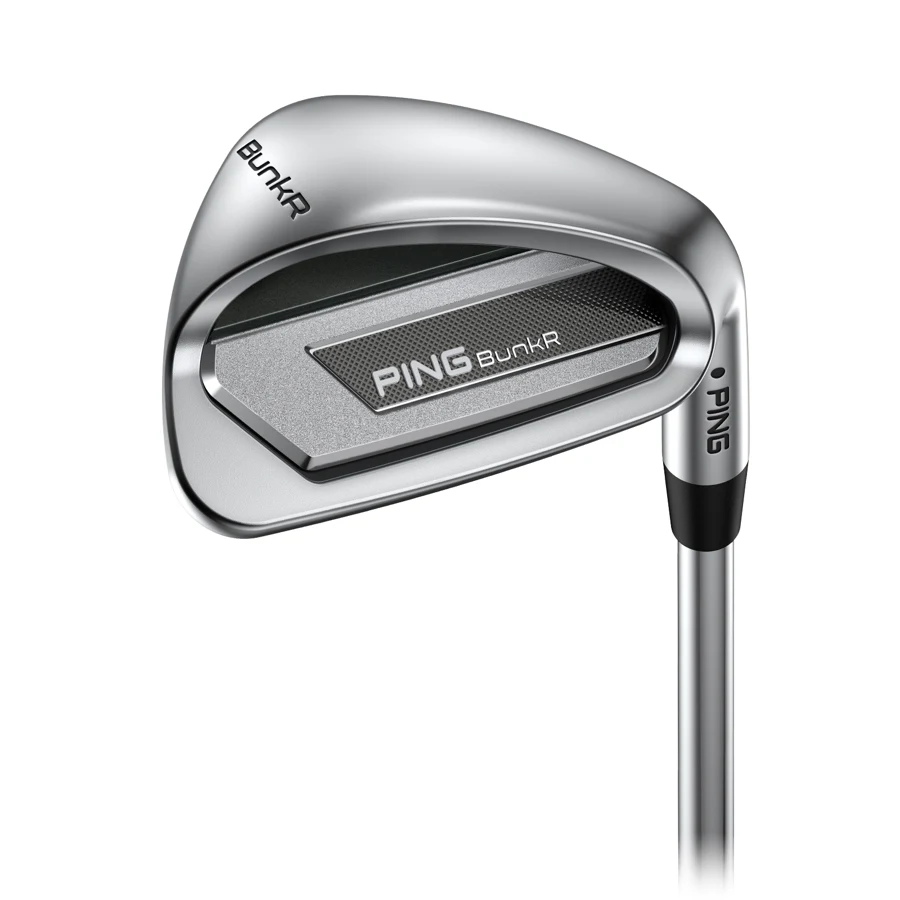
BunkR wedge from PING’s current US product page: one 64° head, 14.5° effective bounce, 35 in standard length.
s259
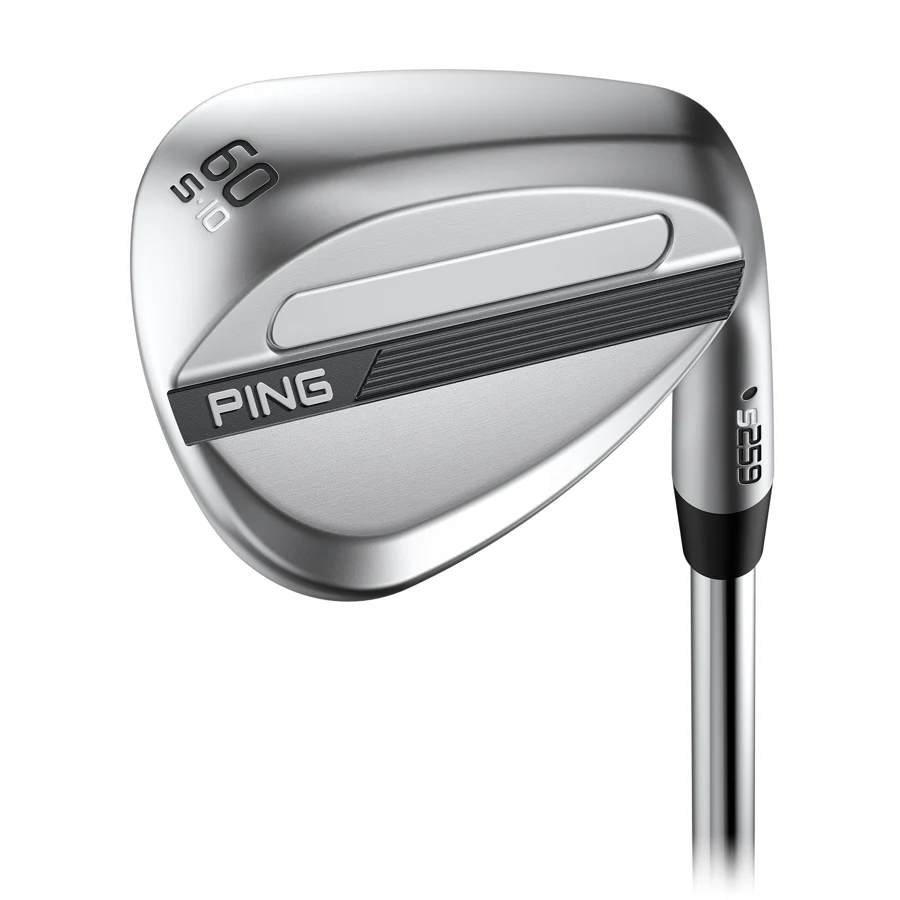
s259 wedge from PING’s current US product page: 25 loft/grind rows from 46° to 62°, 6–14° effective bounce, 35–35.5 in standard length.
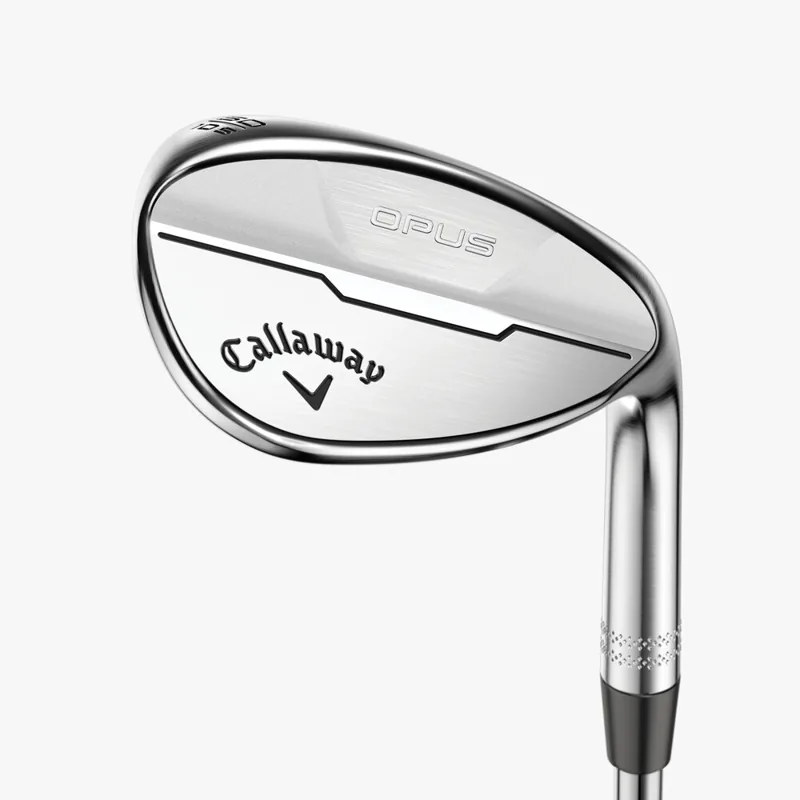
Opus Brushed Chrome
Opus Brushed Chrome wedge reference with documented lofts from 48° to 60°. Keep the loft, bounce and grind together when identifying a head.