Callaway Opus Brushed Chrome · Wedge
Opus Brushed Chrome wedge reference with documented lofts from 48° to 60°. Keep the loft, bounce and grind together when identifying a head.
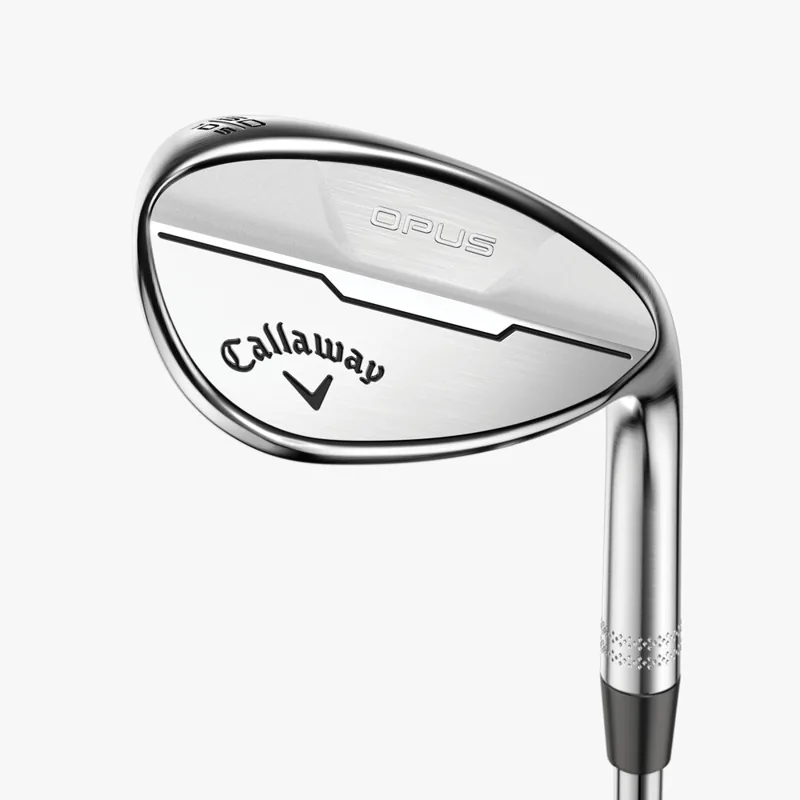
Documented specifications & build options
Lengths and lie angles from the linked US product specification table. The source includes steel and graphite swing weights; do not assume one weight or shaft package across all configurations.
| Field | Documented value |
|---|---|
| Published loft options | 48, 50, 52, 54, 56, 58, 60 ° |
| Sole labels in the published table | S-Grind, W-Grind, T-Grind, C-Grind |
| Published lie | 64 ° |
| Published length range | 35–35.75 in |
| 50° / 52° S grind | 10° bounce; 35.5 in length; RH / LH |
| 54° / 56° S grind | 12° bounce; 35.25 in length; RH / LH |
Source: Callaway Opus Brushed Chrome manufacturer specifications. Reviewed 2026-10-02.
Identifying the right model
- Match the Opus Brushed Chrome family name on the head to the linked manufacturer reference.
- Check the loft and bounce markings and the grind label together. A shared loft does not establish the same sole configuration.
What to check before using the reference
- The table lists 50° and 52° S-grind heads in RH and LH; the corresponding W-grind rows are RH only.
- The 58° and 60° rows offer multiple bounce and sole combinations. Check the full manufacturer table for the exact head.
- Brushed Chrome is the finish covered by this record; Opus Platinum and other families require their own source.
Continue exploring wedges
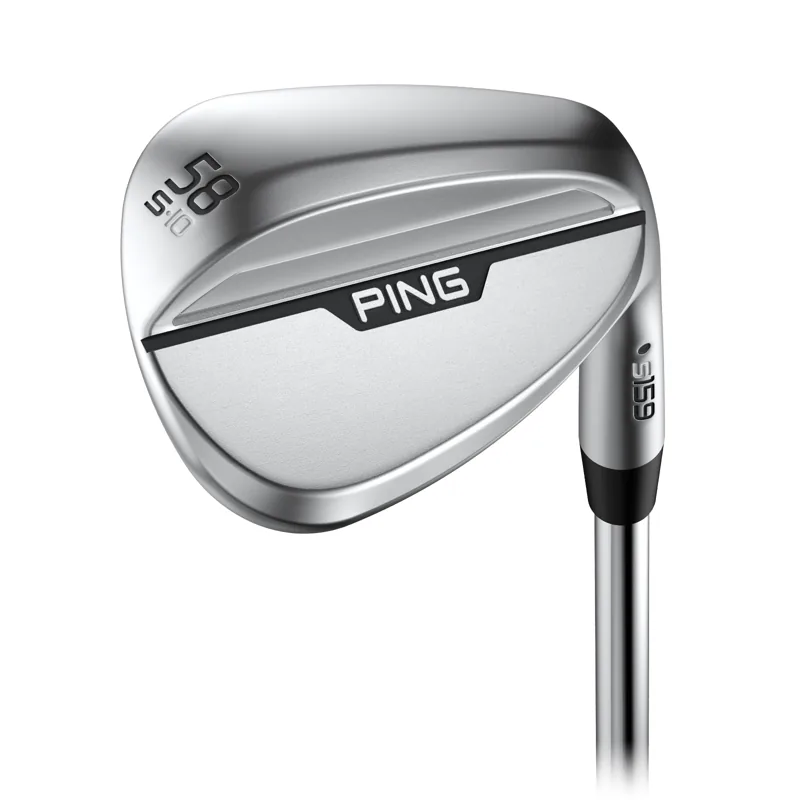
s159
s159 wedge reference with documented lofts from 46° to 62°. Keep the loft, bounce and grind together when identifying a head.
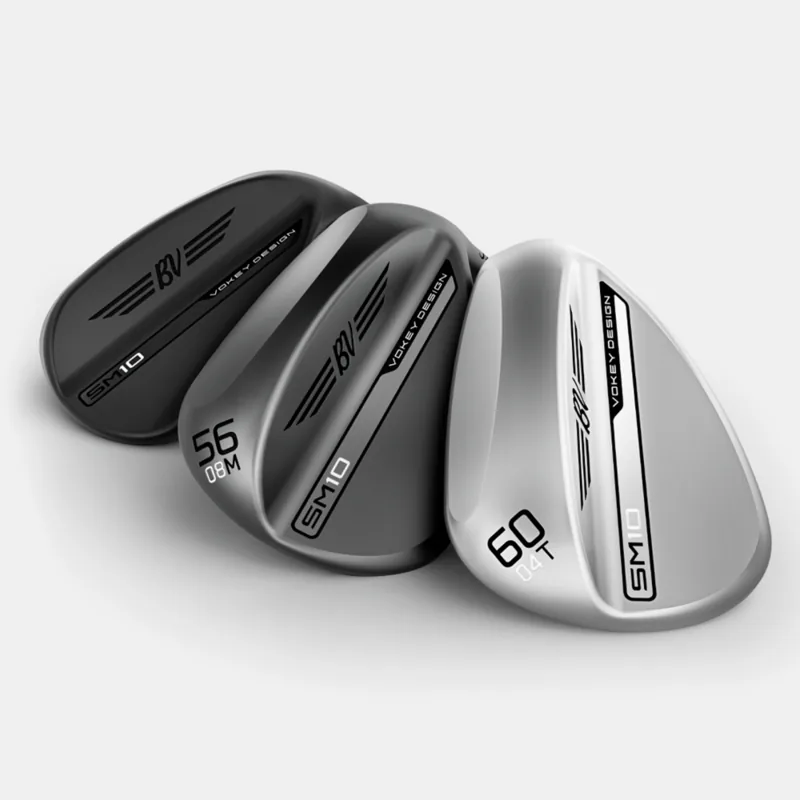
Vokey SM10
Vokey SM10 wedge reference with documented lofts from 46° to 62°. Keep the loft, bounce and grind together when identifying a head.
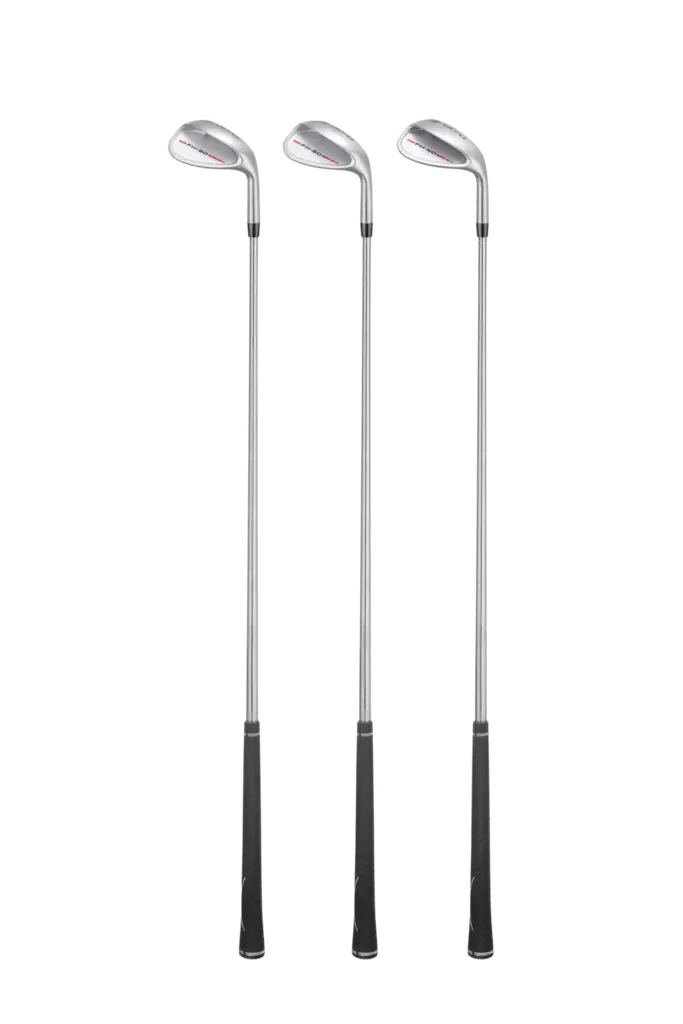
FH-50
FH-50 three-wedge package reference covering 52°, 56° and 60° cavity-back heads with steel shafts. Bounce, lie and original length are not established by the source.
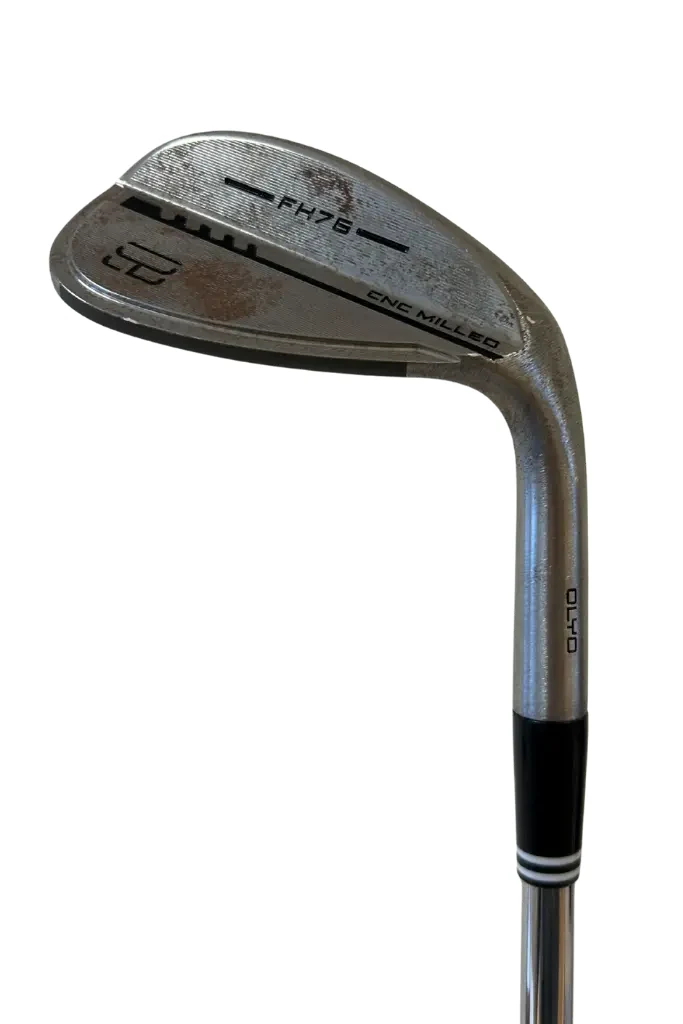
FH-76
FH-76 wedge reference with 50°–60° loft options and a published 10° bounce across those lofts. Raw, chrome and black finishes belong to the same documented family.