PING i500 irons (2019 US page)
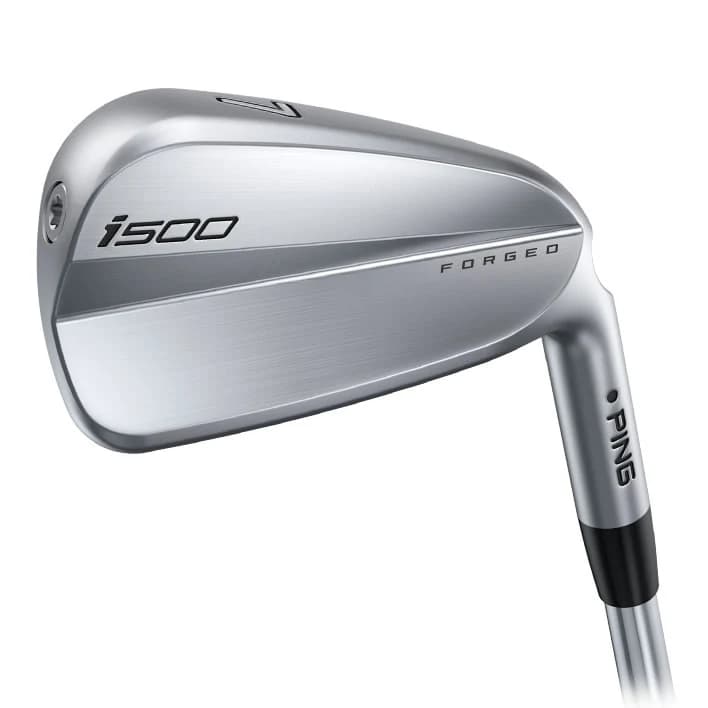
i500 from PING’s archived US product page, with a 30.5° 7-iron and 45° pitching wedge.
Loft, lie & length chart
Standard lengths from PING’s US specification table, converted from fractional inches (38 7/8" = 38.875"). Colour-code lie and length adjustments are not substituted.
| Club | Loft (°) | Lie (°) | Length (in) |
|---|---|---|---|
| 3 | 18 | 60 | 39.5 |
| 4 | 21 | 60.5 | 38.875 |
| 5 | 24 | 61 | 38.25 |
| 6 | 27 | 61.5 | 37.625 |
| 7 | 30.5 | 62 | 37 |
| 8 | 35 | 62.8 | 36.5 |
| 9 | 40 | 63.5 | 36 |
| PW | 45 | 64.1 | 35.5 |
| UW | 50 | 64.1 | 35.5 |
Source: PING i500 irons US product page, Internet Archive capture of 2019-08-19. Checked 2026-10-07.
How to identify this generation
- The back shows i500 lettering near the toe and FORGED lettering toward the heel.
What to notice in the specifications
- PING’s live US site no longer lists this model; the figures come from an Internet Archive capture of PING’s US page dated 2019-08-19.
- Lie angles are PING’s standard specification. PING fits lie angle with a colour-coded dot, so check the dot on a used PING iron against PING’s colour code chart before assuming these lies.
- The table shows standard lofts. PING also lists Power Spec (29° 7-iron, 44° PW) and Retro Spec (32.5° 7-iron, 47° PW) as alternative factory loft builds, so a used set may not match the standard column.
- PING’s i525 page publishes the same standard loft, lie and length table, but the heads are different models. Use the model name on the head, not these numbers, to tell them apart.
Read our loft guide for a worked example of comparing the numbers, and our used iron checklist before relying on a seller's description.
Continue with PING
G430 irons (2026 US page)
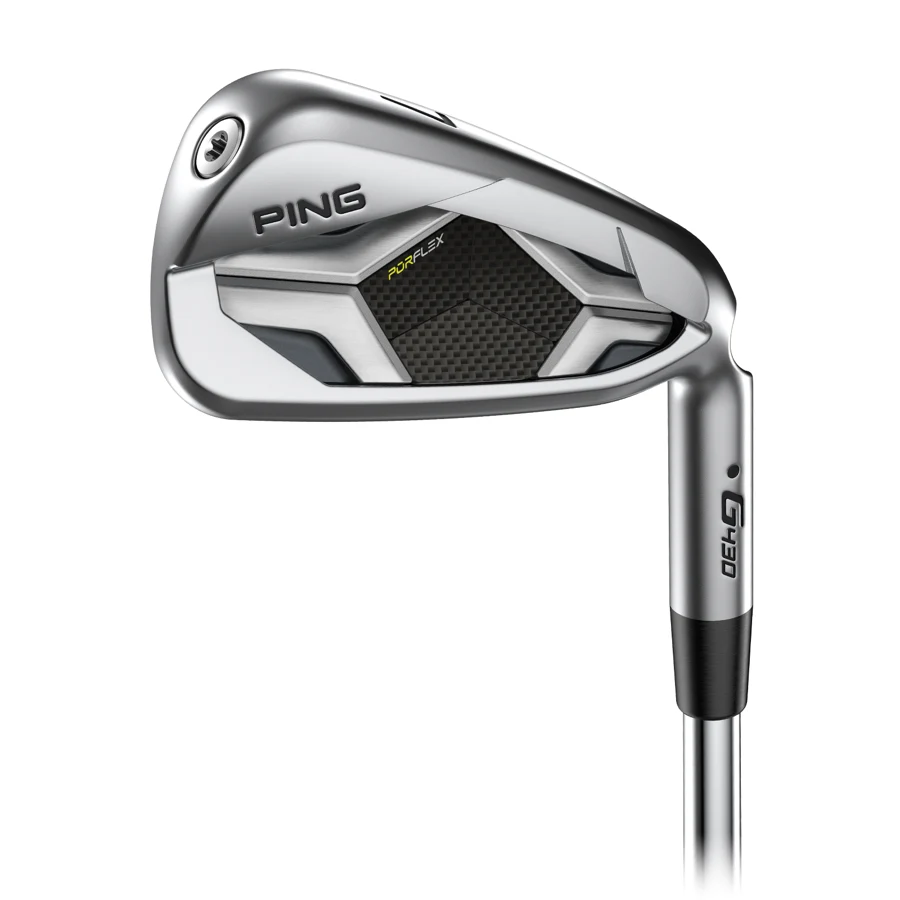
G430 from PING’s current US product page, with a 29° 7-iron and 41° pitching wedge.
G730 irons (2026 US page)
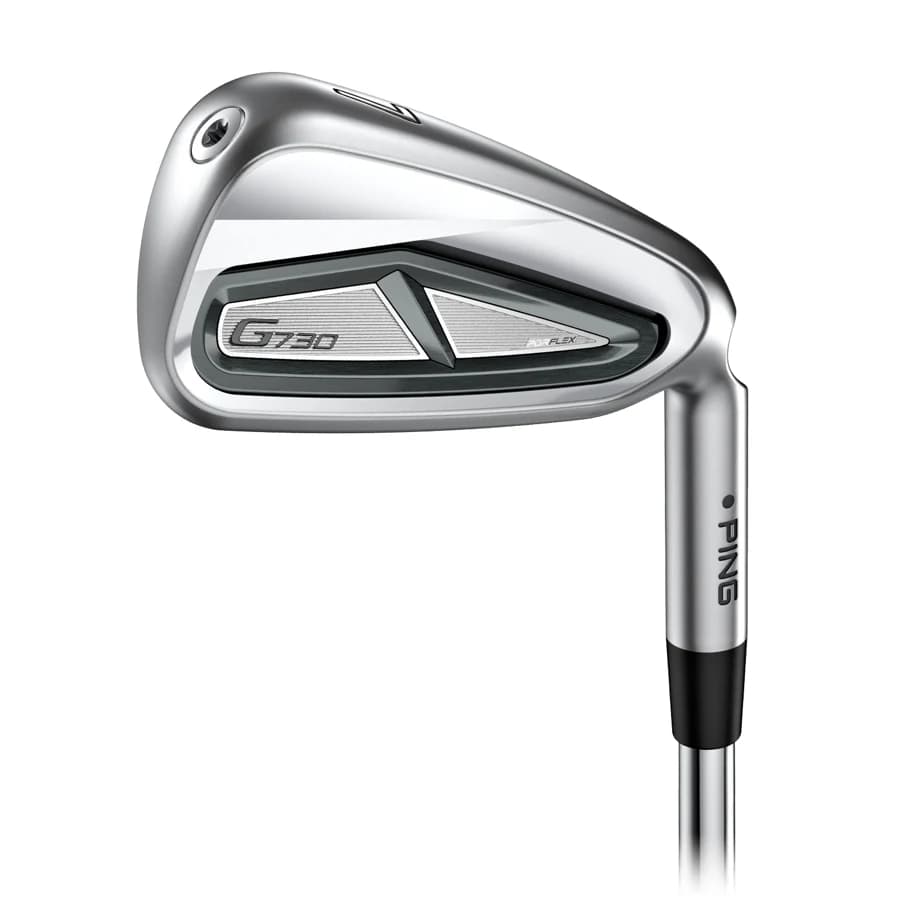
G730 from PING’s current US product page, with a 28° 7-iron and 40° pitching wedge.
G Le3 irons (2026 US page)
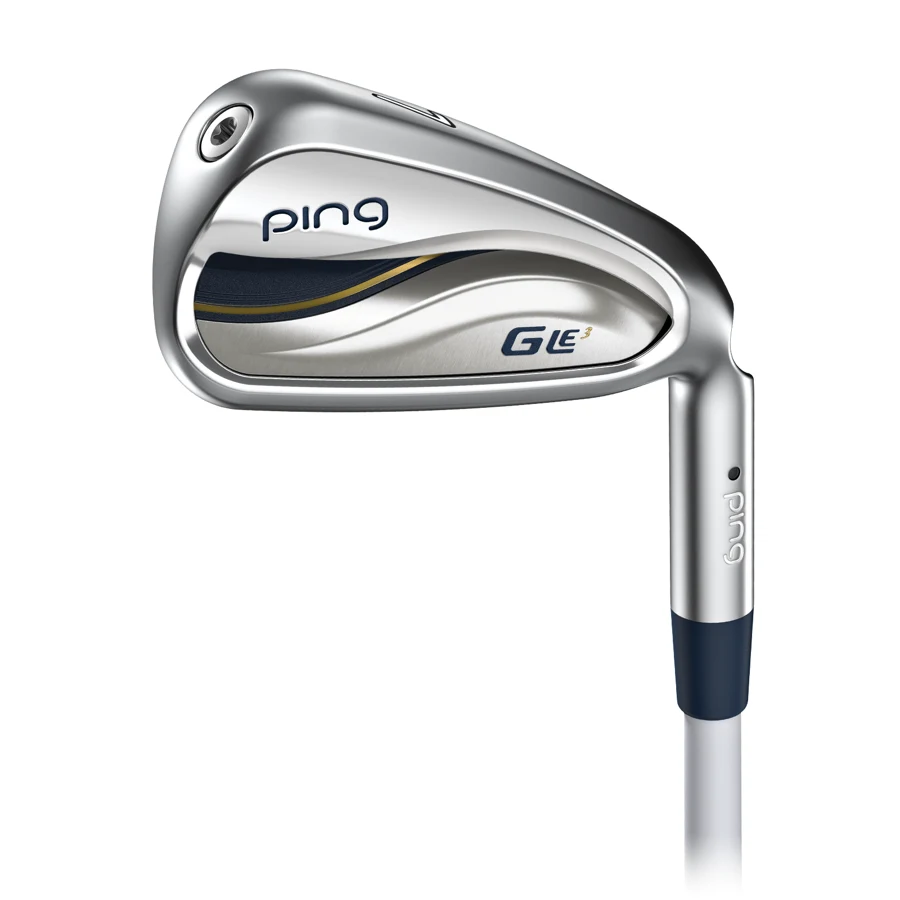
G Le3 from PING’s current US product page, with a 29.5° 7-iron and 46° pitching wedge.
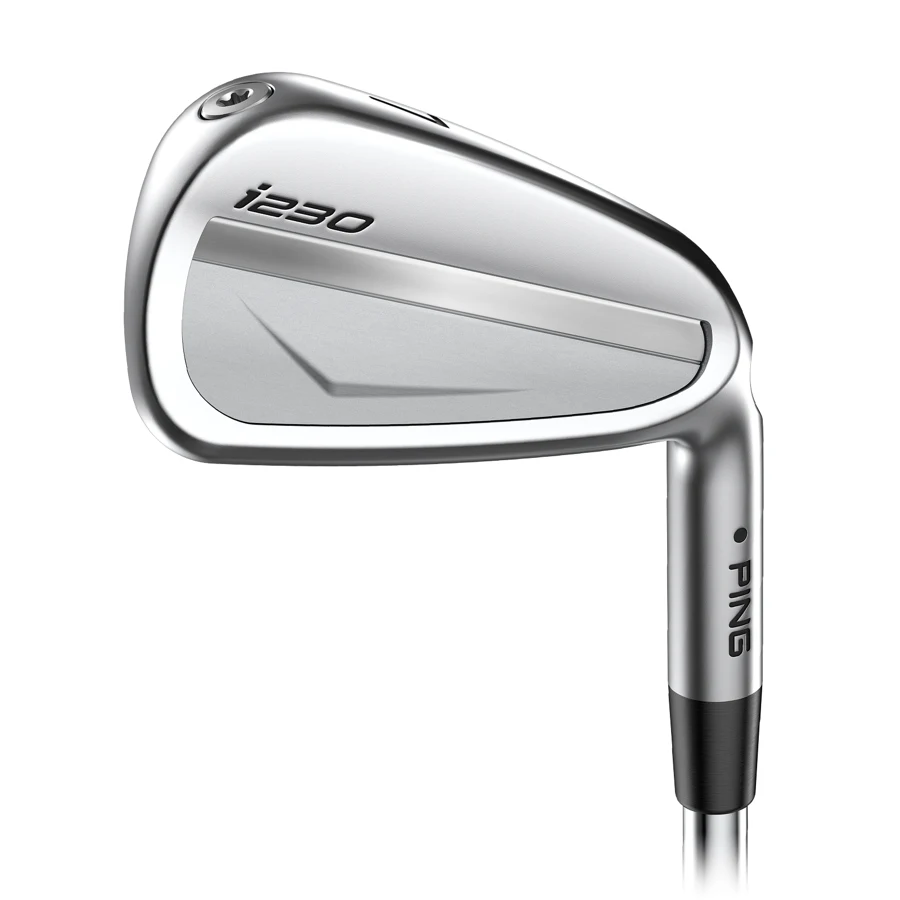
i230 irons (2026 US page)
i230 from PING’s current US product page, with a 33° 7-iron and 45° pitching wedge.