Mizuno golf clubs.
Explore 64 Mizuno model records across 4 club types. Match the exact model and documented build before comparing specifications.
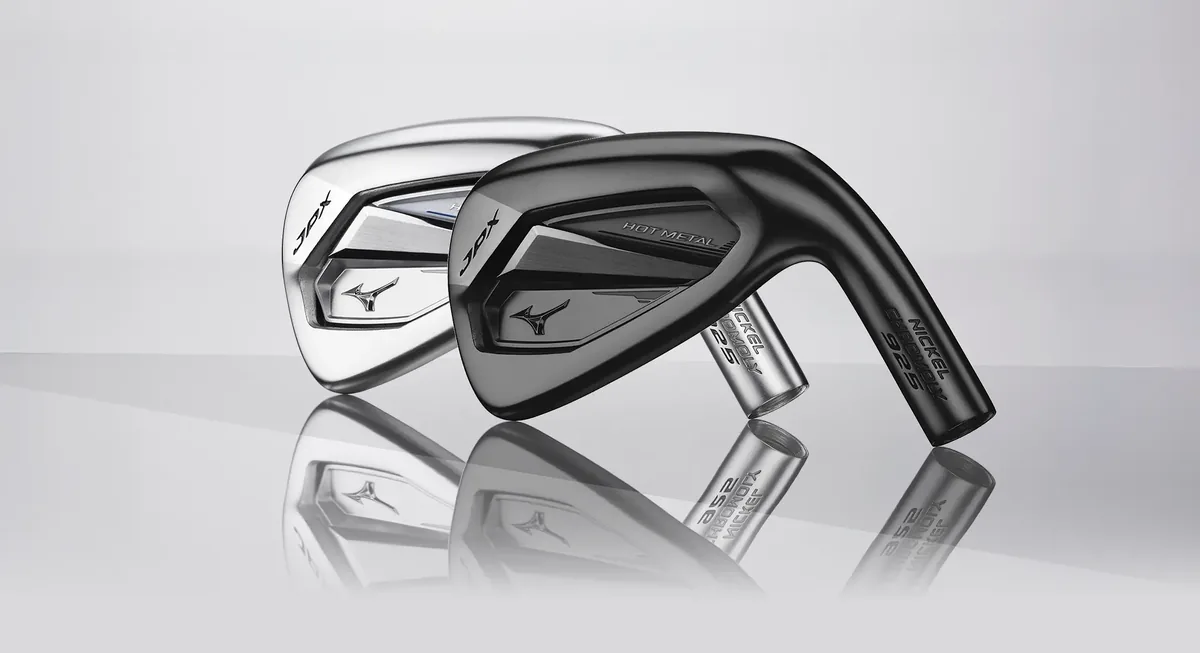
Hot Metal irons · JPX925
The JPX925 Hot Metal standard row includes a 28° 7-iron and a 54° set sand wedge.
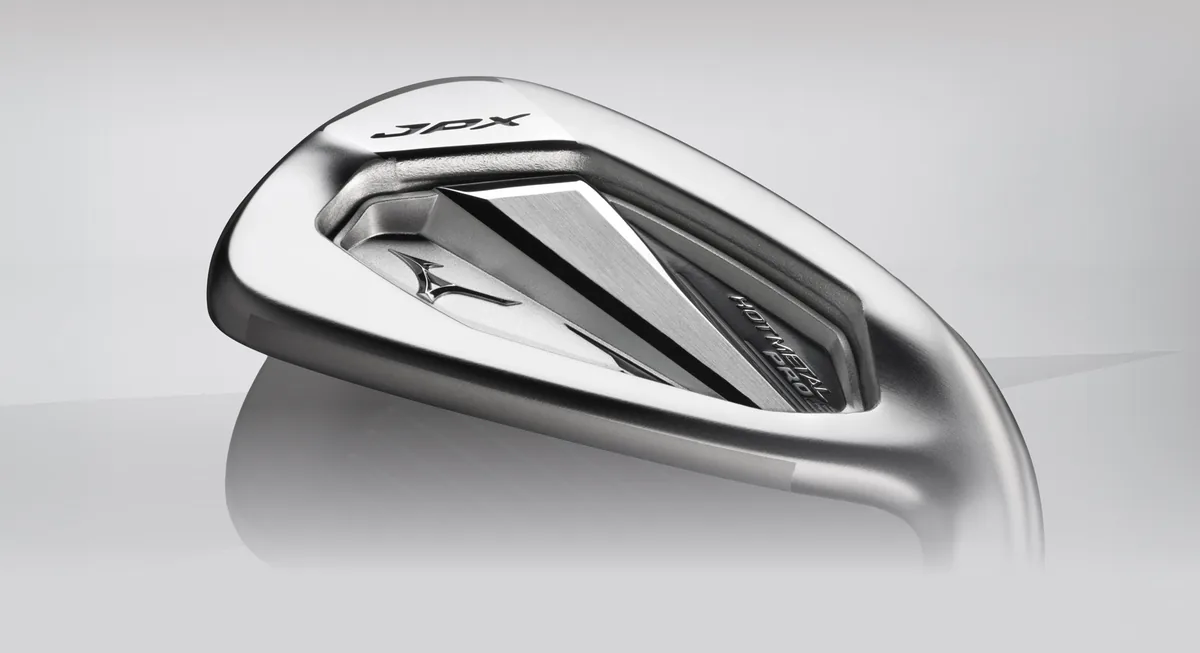
Hot Metal Pro irons · JPX925
Mizuno publishes the same loft, lie and length sequence for JPX925 Hot Metal and Pro through GW, with different head dimensions.
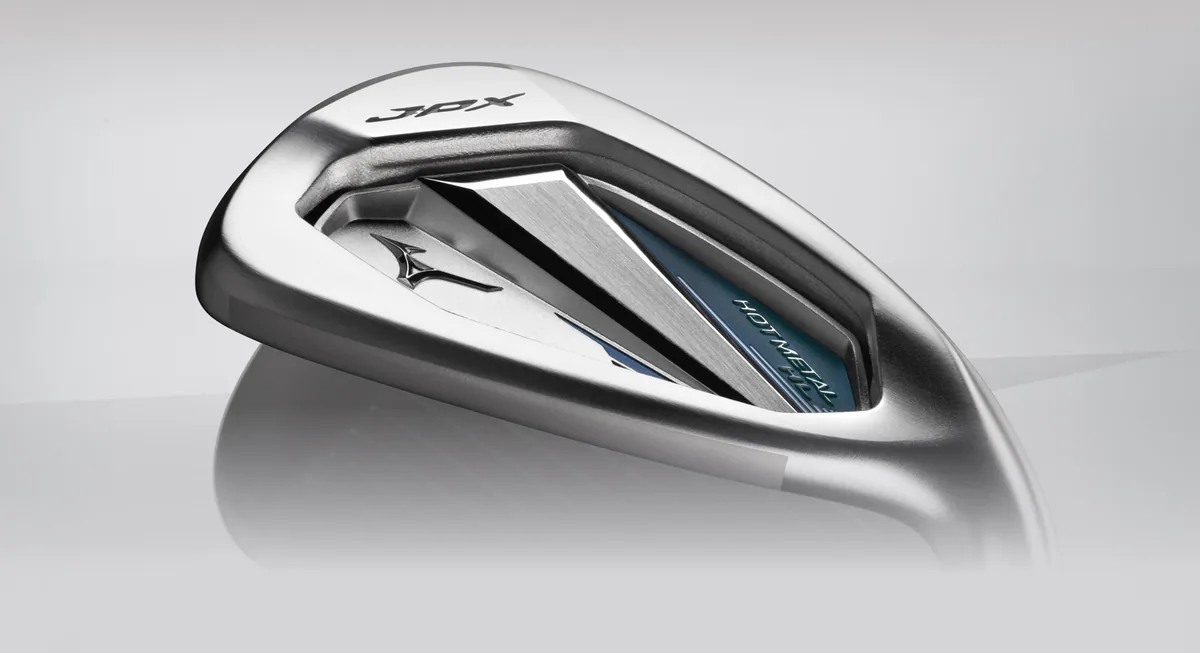
Hot Metal HL irons · JPX925
The HL variant uses a 31° 7-iron and 45° pitching wedge in the JPX925 chart.
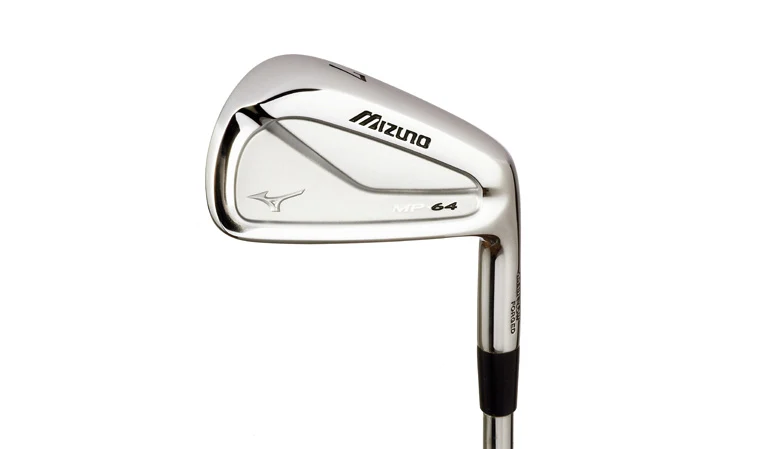
MP-64 irons · 2013-2014 timeline
MP-64 from Mizuno’s 2013-2014 timeline entry, with a 34° 7-iron and 46° pitching wedge in the linked factory chart.
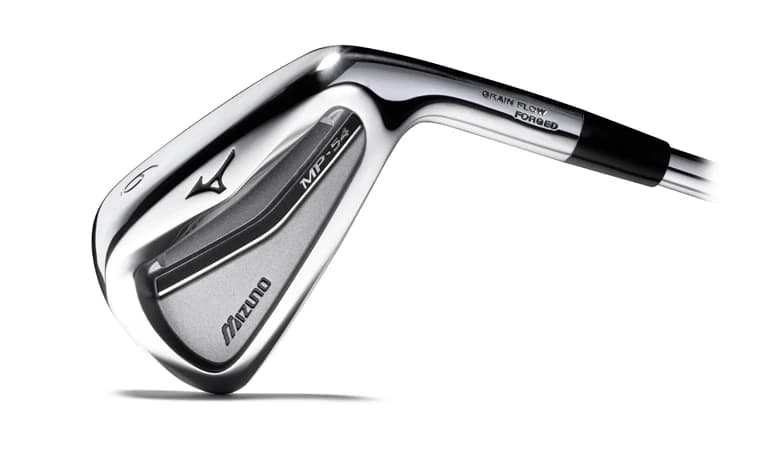
MP-54 irons · 2014-2015 timeline
MP-54 from Mizuno’s 2014-2015 timeline entry, with a 34° 7-iron and 46° pitching wedge in the linked factory chart.
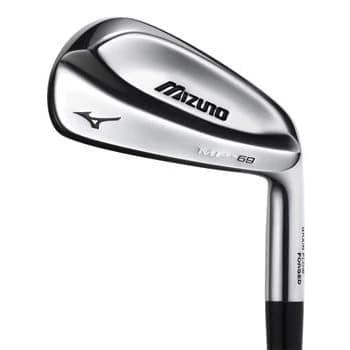
MP-69 irons · 2012-2013 timeline
MP-69 from Mizuno’s 2012-2013 timeline entry, with a 34° 7-iron and 46° pitching wedge in the linked factory chart.
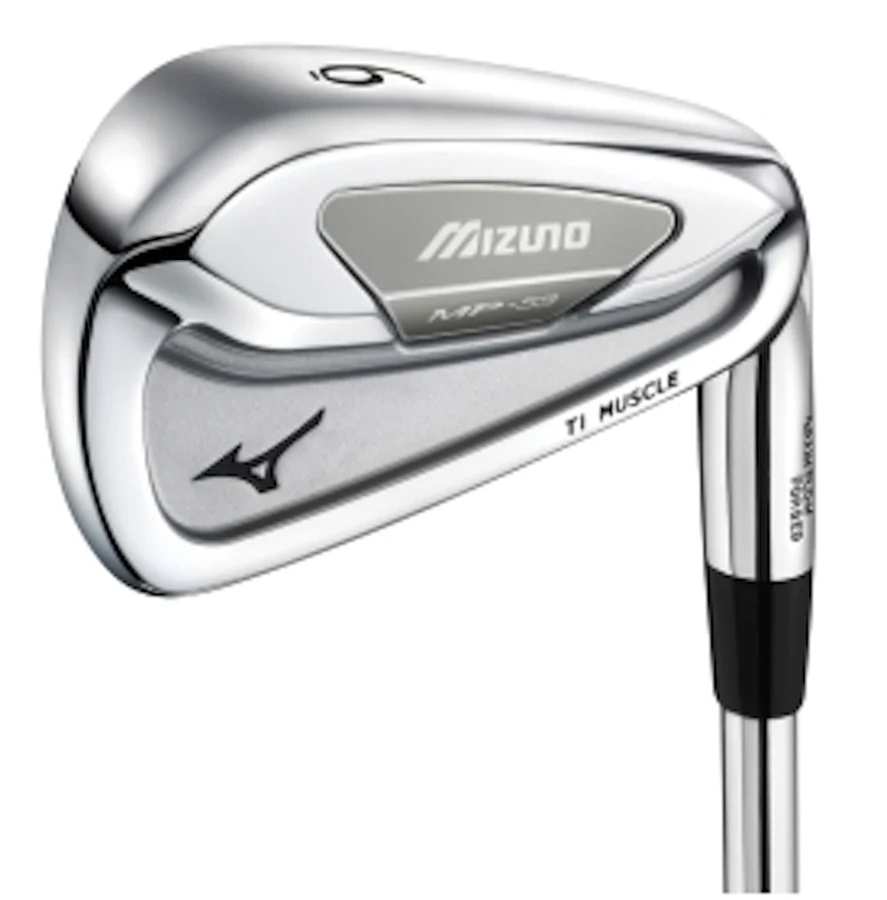
MP-59 irons · 2012-2014 timeline
MP-59 from Mizuno’s 2012-2014 timeline entry, with a 34° 7-iron and 46° pitching wedge in the linked factory chart.
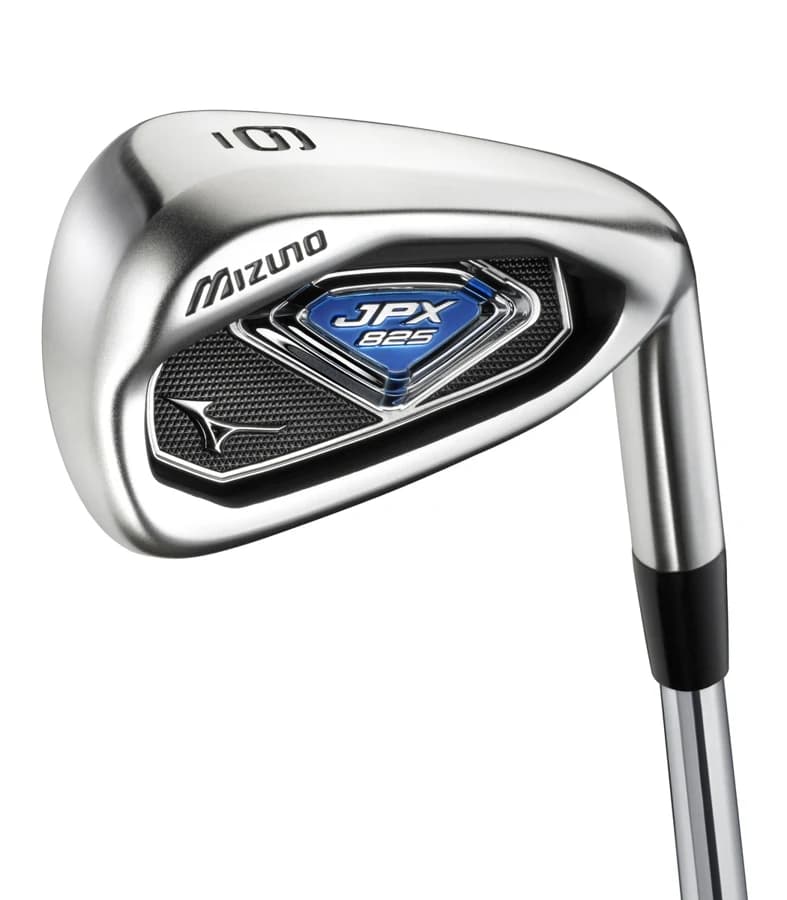
JPX 825 irons · 2013-2014 timeline
JPX 825 from Mizuno’s 2013-2014 timeline entry, with a 32° 7-iron and 45° pitching wedge in the linked factory chart.
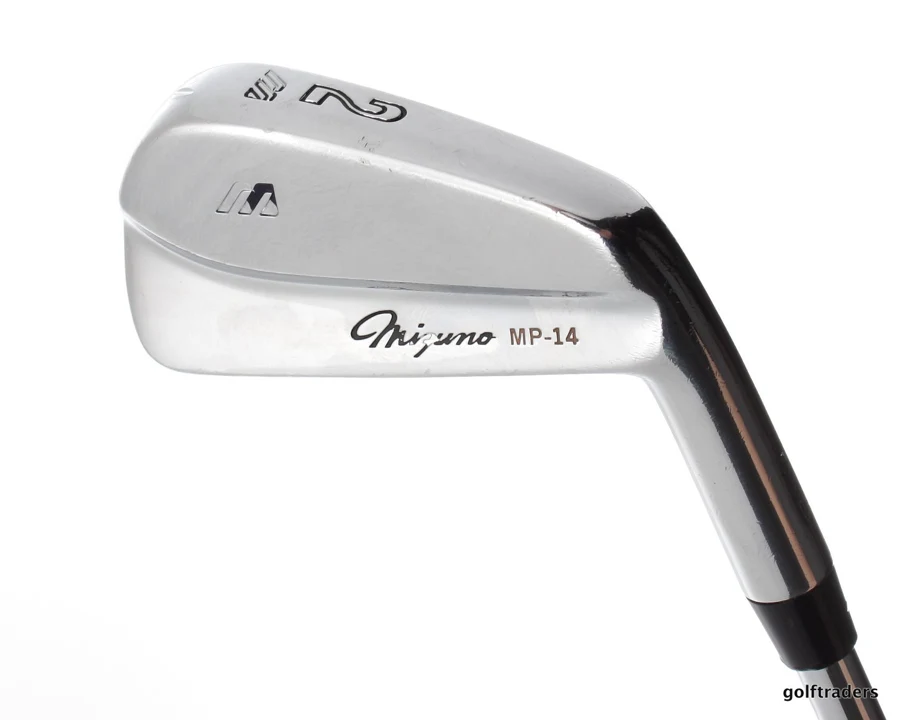
MP-14 irons · 1999 chart
MP-14 from Mizuno’s 1994-1998 timeline entry, with a 36° 7-iron and 50° pitching wedge in the linked factory chart.
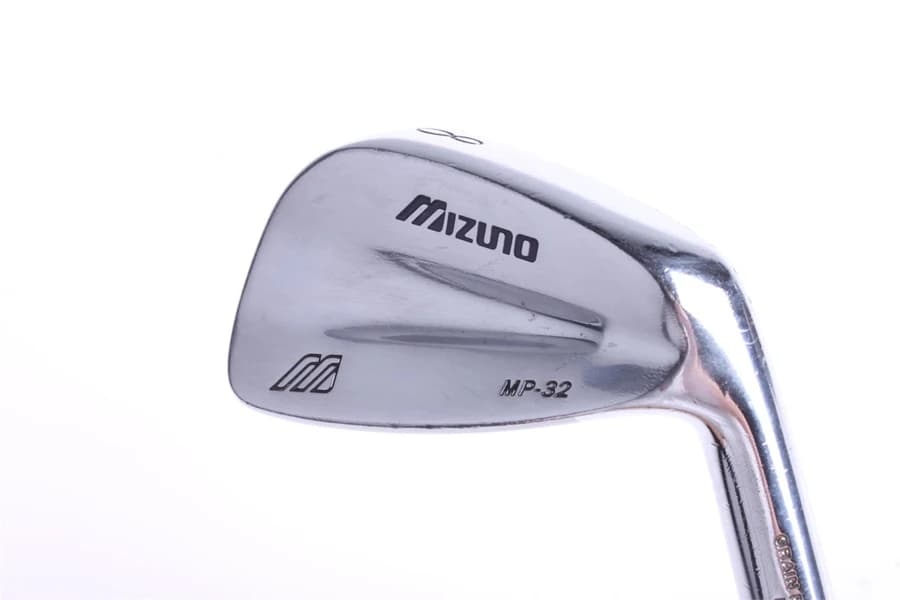
MP-32 irons · 2006 chart
MP-32 from Mizuno’s 2004-2008 timeline entry, with a 35° 7-iron and 47° pitching wedge in the linked factory chart.
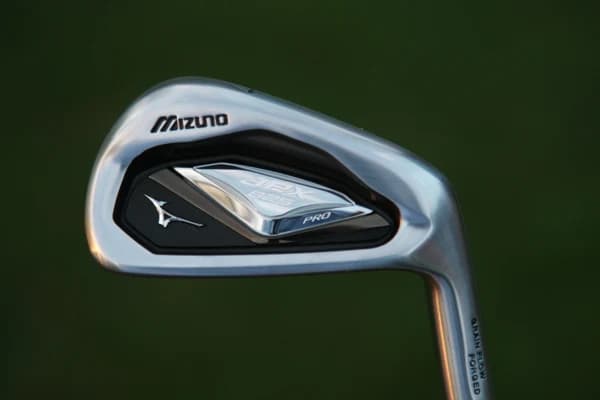
JPX 825 Pro irons · 2013-2014 timeline
JPX 825 Pro from Mizuno’s 2013-2014 timeline entry, with a 33° 7-iron and 45° pitching wedge in the linked factory chart.
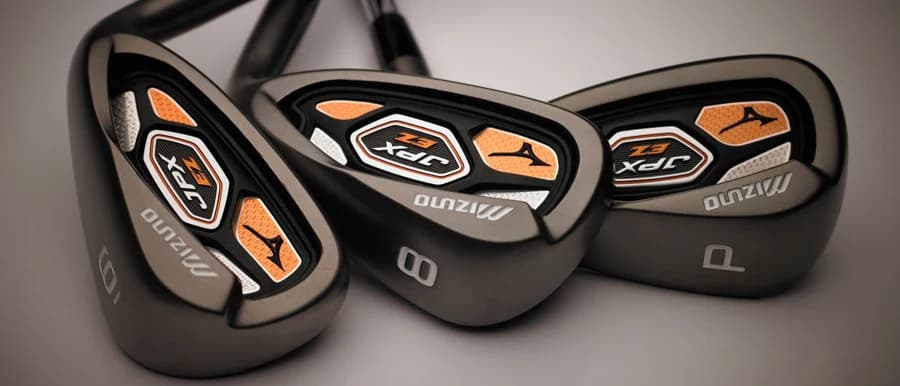
JPX EZ irons · 2014-2015 timeline
JPX EZ from Mizuno’s 2014-2015 timeline entry, with a 32° 7-iron and 45° pitching wedge in the linked factory chart.
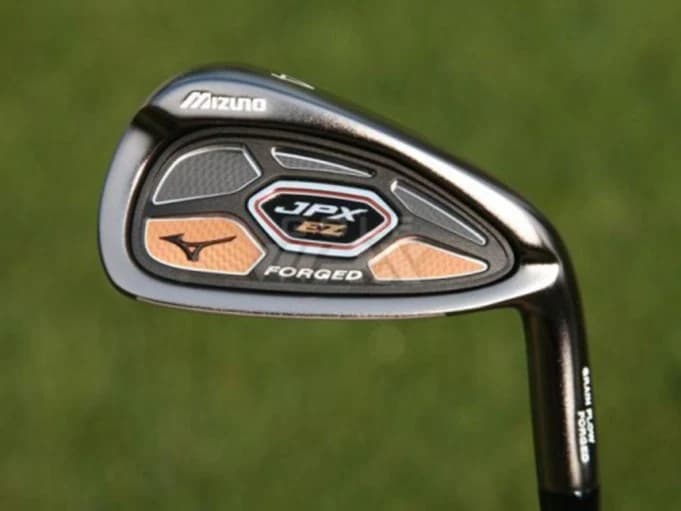
JPX EZ Forged irons · 2014-2015 timeline
JPX EZ Forged from Mizuno’s 2014-2015 timeline entry, with a 32° 7-iron and 45° pitching wedge in the linked factory chart.
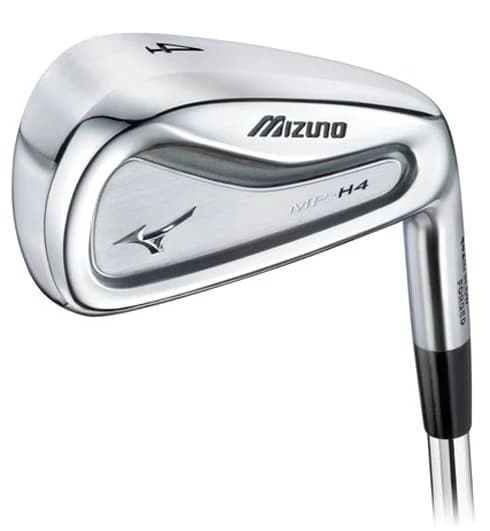
MP-H4 irons · 2012-2013 timeline
MP-H4 from Mizuno’s 2012-2013 timeline entry, with a 34° 7-iron and 46° pitching wedge in the linked factory chart.
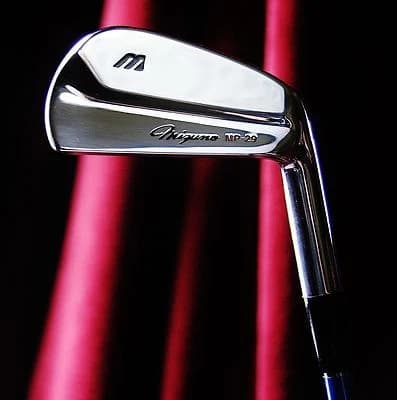
MP-29 irons · 1999 chart
MP-29 from Mizuno’s 1992-2000 timeline entry, with a 35° 7-iron and 48° pitching wedge in the linked factory chart.
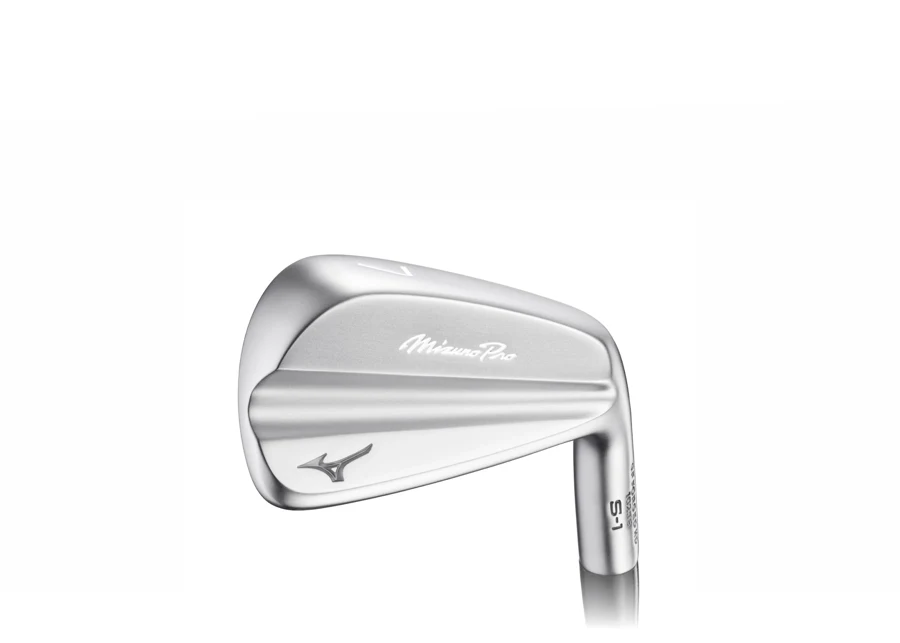
Mizuno Pro S-1 irons · 2026 US page
Mizuno Pro S-1 from Mizuno’s current US product page, with a 34° 7-iron and 46° pitching wedge.
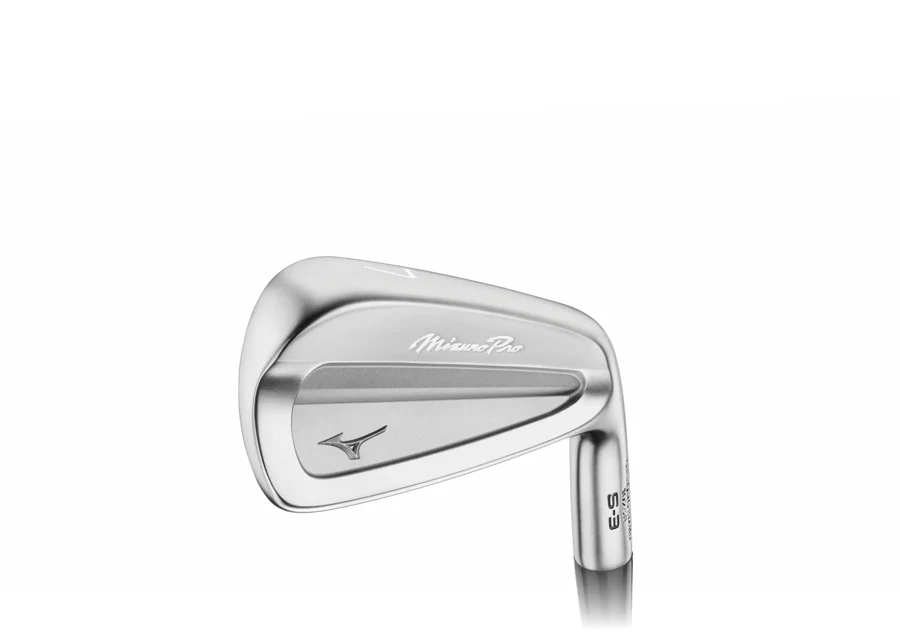
Mizuno Pro S-3 irons · 2026 US page
Mizuno Pro S-3 from Mizuno’s current US product page, with a 34° 7-iron and 46° pitching wedge.
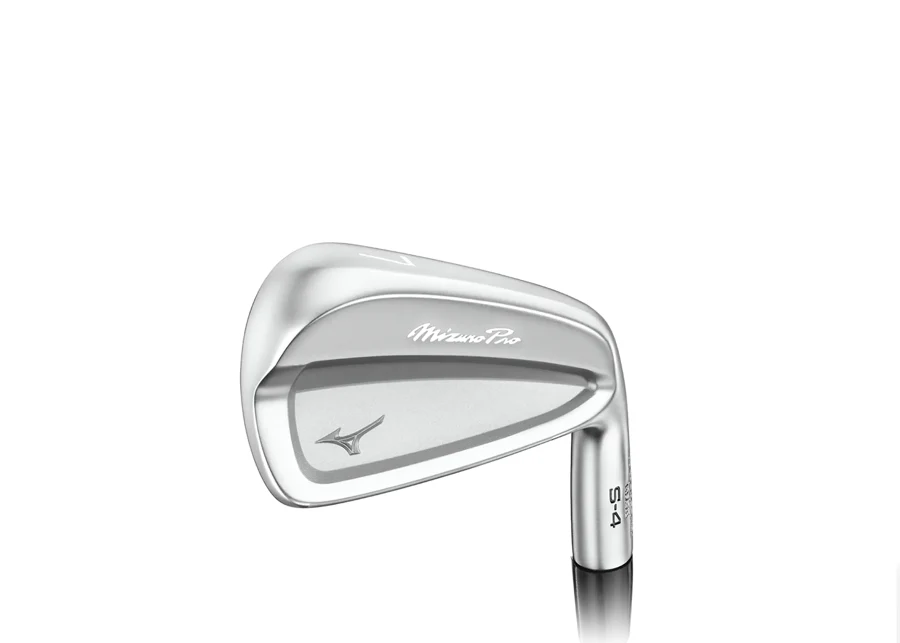
Mizuno Pro S-4 irons · 2026 US page
Mizuno Pro S-4 from Mizuno’s current US product page, with a 34° 7-iron and 46° pitching wedge.
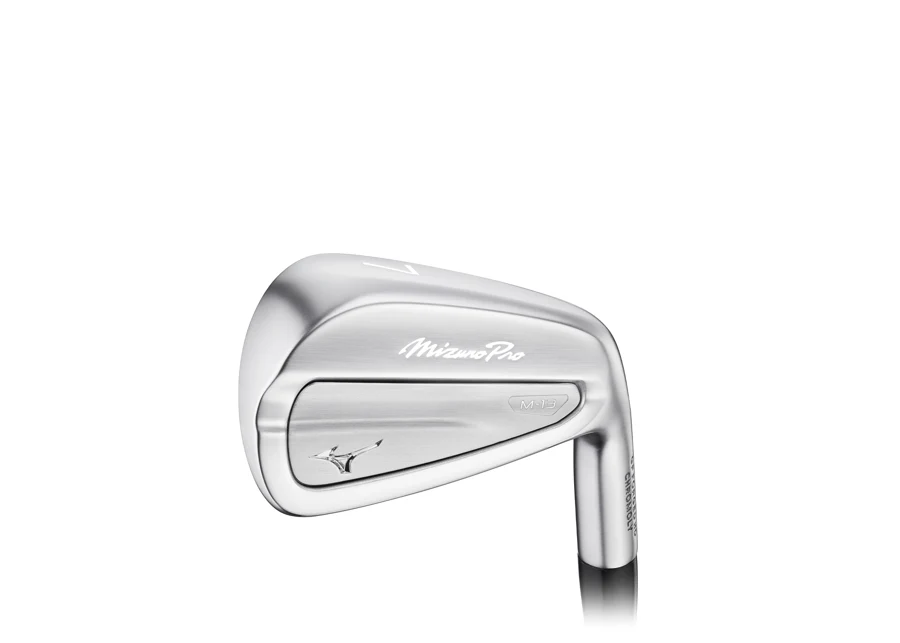
Mizuno Pro M-13 irons · 2026 US page
Mizuno Pro M-13 from Mizuno’s current US product page, with a 32° 7-iron and 44° pitching wedge.
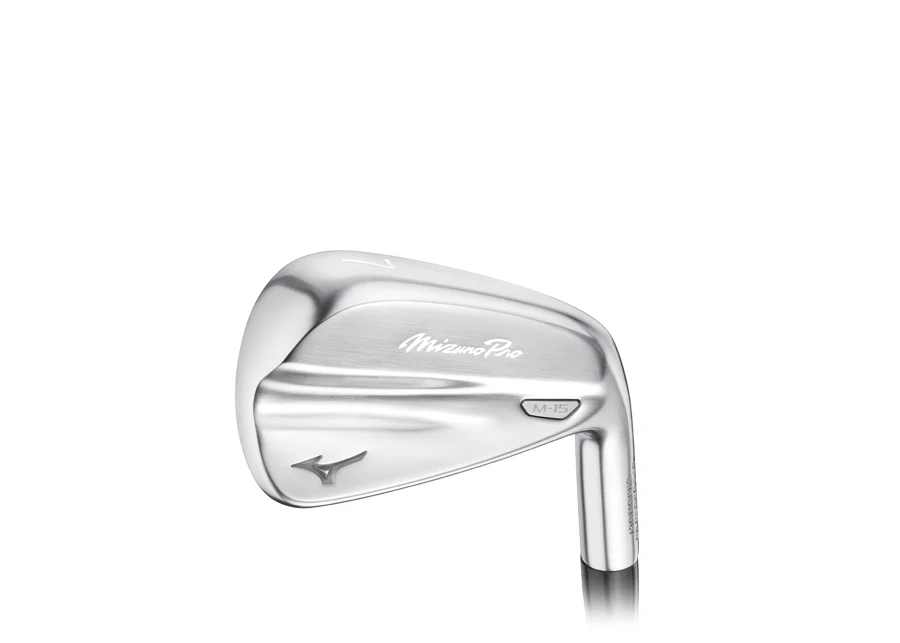
Mizuno Pro M-15 irons · 2026 US page
Mizuno Pro M-15 from Mizuno’s current US product page, with a 29° 7-iron and 43° pitching wedge.
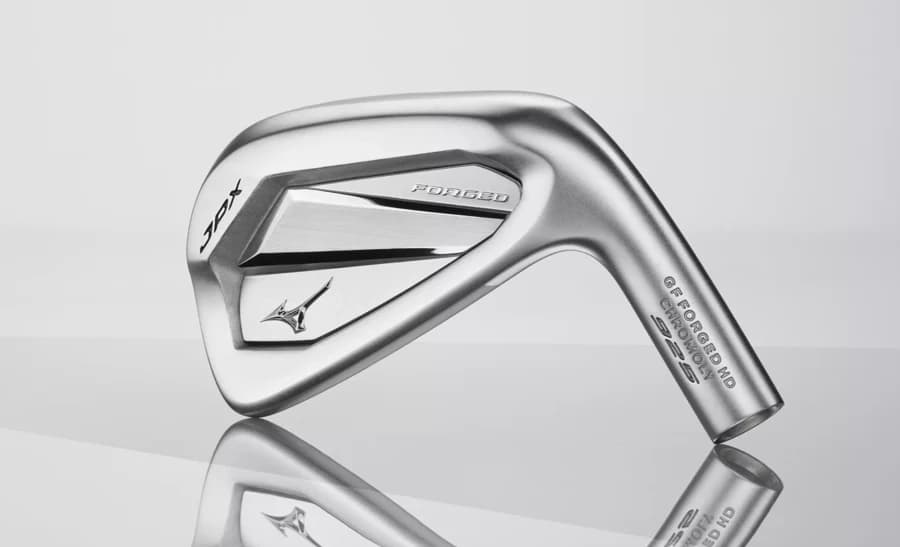
JPX925 Forged irons · 2026 US page
JPX925 Forged from Mizuno’s current US product page, with a 30° 7-iron and 43° pitching wedge.
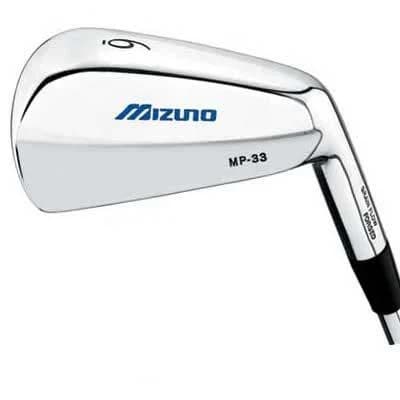
MP-33 irons · 2002-2006 timeline
MP-33 from Mizuno’s 2002-2006 timeline entry, with a 36° 7-iron and 48° pitching wedge in the linked factory chart.
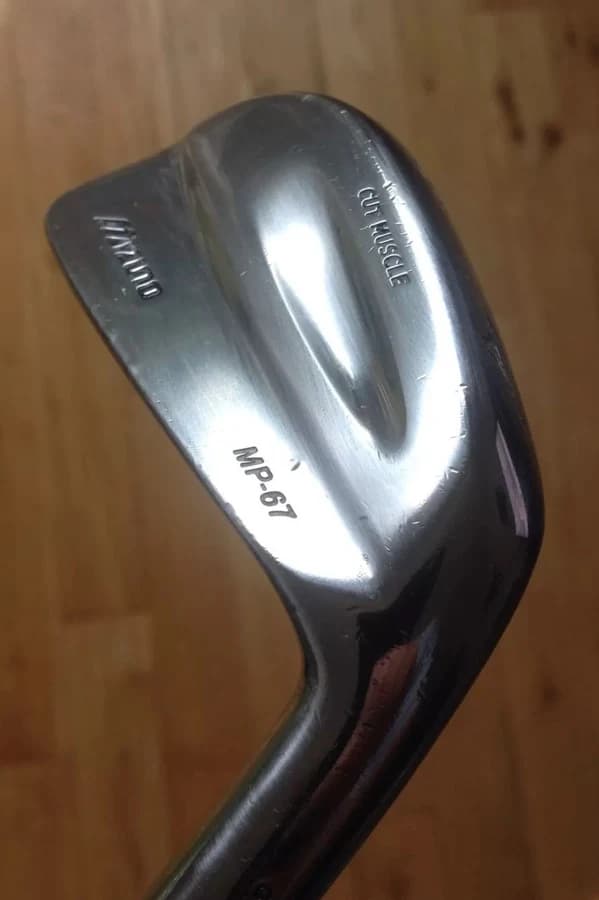
MP-67 irons · 2007-2008 timeline
MP-67 from Mizuno’s 2007-2008 timeline entry, with a 36° 7-iron and 48° pitching wedge in the linked factory chart.
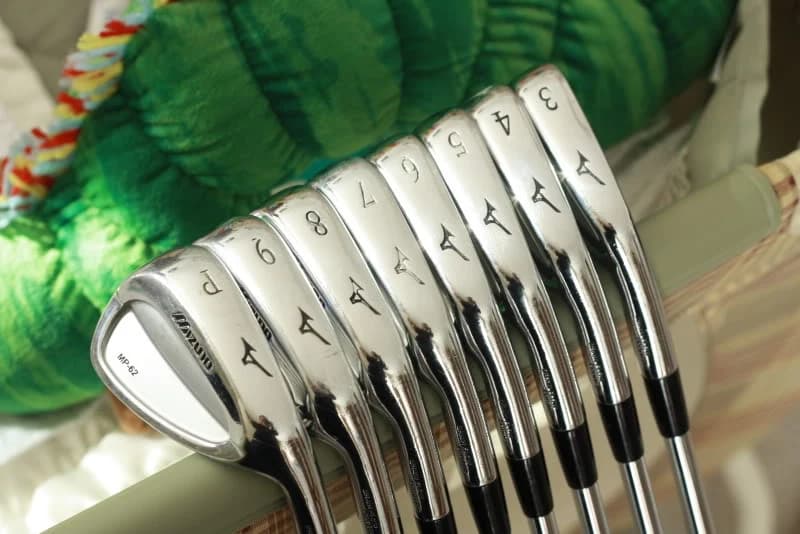
MP-62 irons · 2009-2010 timeline
MP-62 from Mizuno’s 2009-2010 timeline entry, with a 35° 7-iron and 47° pitching wedge in the linked factory chart.
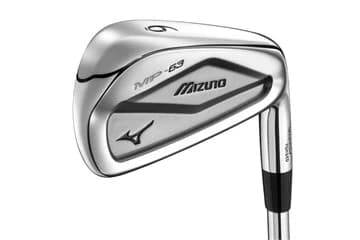
MP-63 irons · 2011-2012 timeline
MP-63 from Mizuno’s 2011-2012 timeline entry, with a 34° 7-iron and 46° pitching wedge in the linked factory chart.
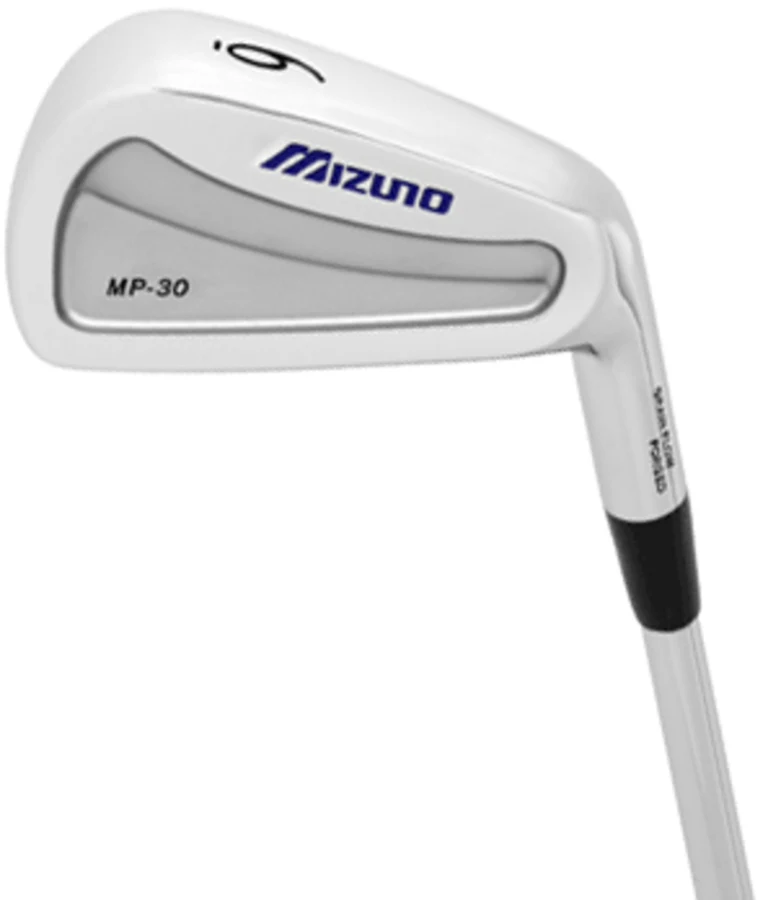
MP-30 irons · 2003-2005 timeline
MP-30 from Mizuno’s 2003-2005 timeline entry, with a 35° 7-iron and 47° pitching wedge in the linked factory chart.
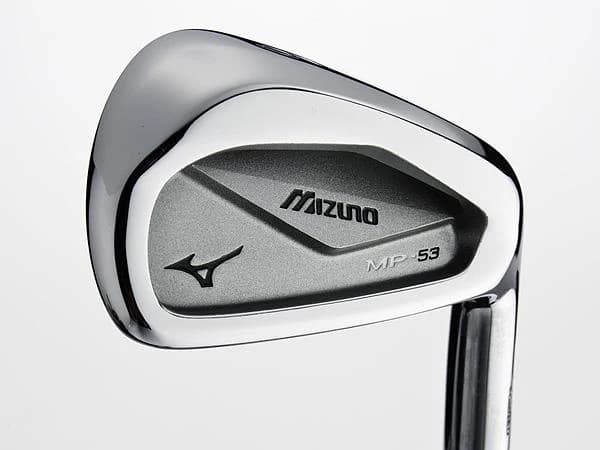
MP-53 irons · 2011-2012 timeline
MP-53 from Mizuno’s 2011-2012 timeline entry, with a 34° 7-iron and 46° pitching wedge in the linked factory chart.
MP-37 irons · 2004-2006 timeline
MP-37 from Mizuno’s 2004-2006 timeline entry, with a 35° 7-iron and 47° pitching wedge in the linked factory chart.
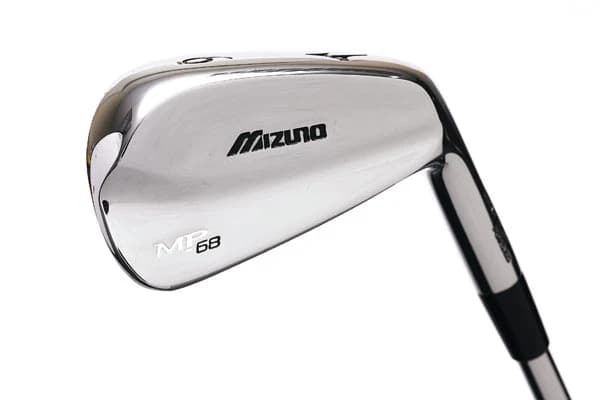
MP-68 irons · 2010-2011 timeline
MP-68 from Mizuno’s 2010-2011 timeline entry, with a 35° 7-iron and 47° pitching wedge in the linked factory chart.
MP-60 irons · 2005-2007 timeline
MP-60 from Mizuno’s 2005-2007 timeline entry, with a 35° 7-iron and 47° pitching wedge in the linked factory chart.
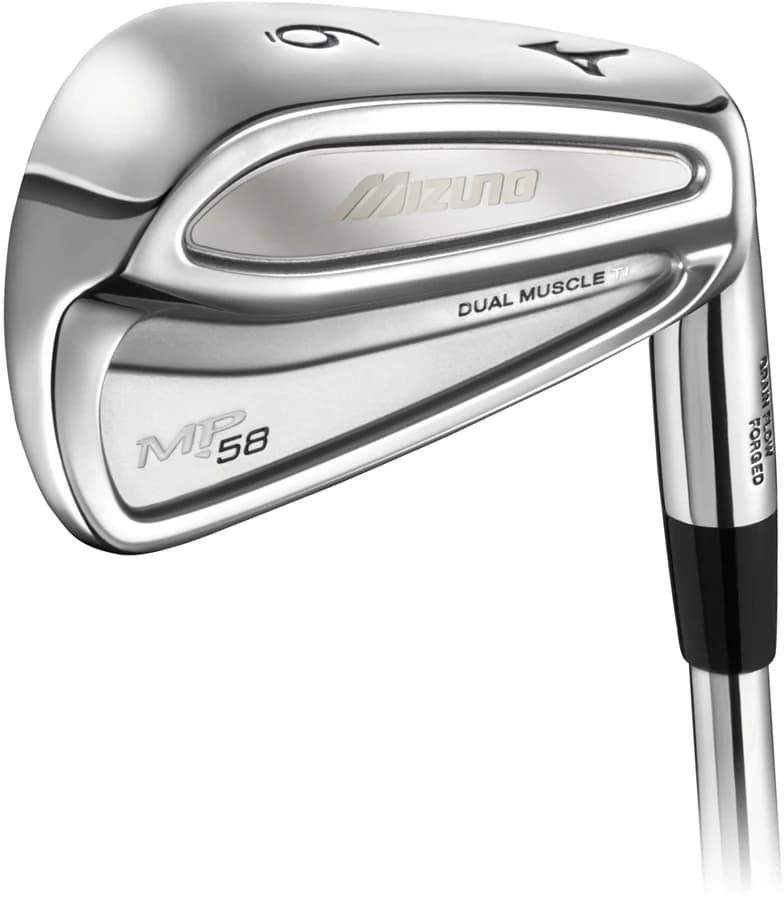
MP-58 irons · 2010-2011 timeline
MP-58 from Mizuno’s 2010-2011 timeline entry, with a 35° 7-iron and 47° pitching wedge in the linked factory chart.
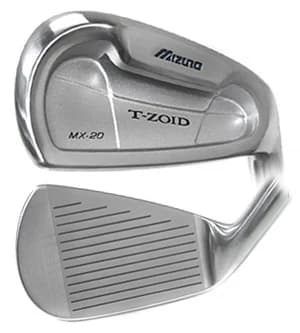
MX-20 irons · 2002-2003 timeline
MX-20 from Mizuno’s 2002-2003 timeline entry, with a 33° 7-iron and 46° pitching wedge in the linked factory chart.
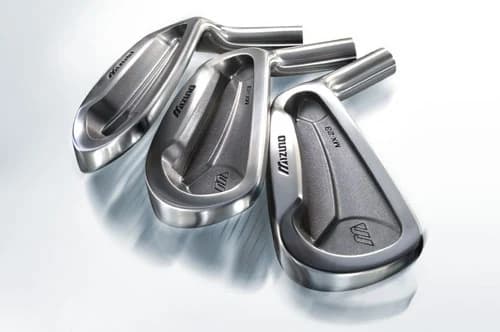
MX-23 irons · 2004-2006 timeline
MX-23 from Mizuno’s 2004-2006 timeline entry, with a 33° 7-iron and 46° pitching wedge in the linked factory chart.
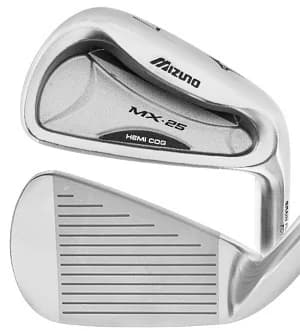
MX-25 irons · 2007-2008 timeline
MX-25 from Mizuno’s 2007-2008 timeline entry, with a 34° 7-iron and 46° pitching wedge in the linked factory chart.
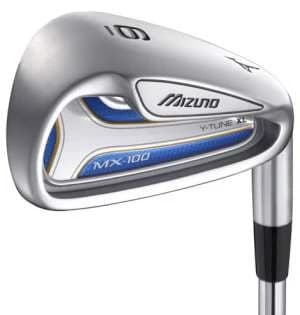
MX-100 irons · 2009 timeline
MX-100 from Mizuno’s 2009 timeline entry, with a 33° 7-iron and 45° pitching wedge in the linked factory chart.
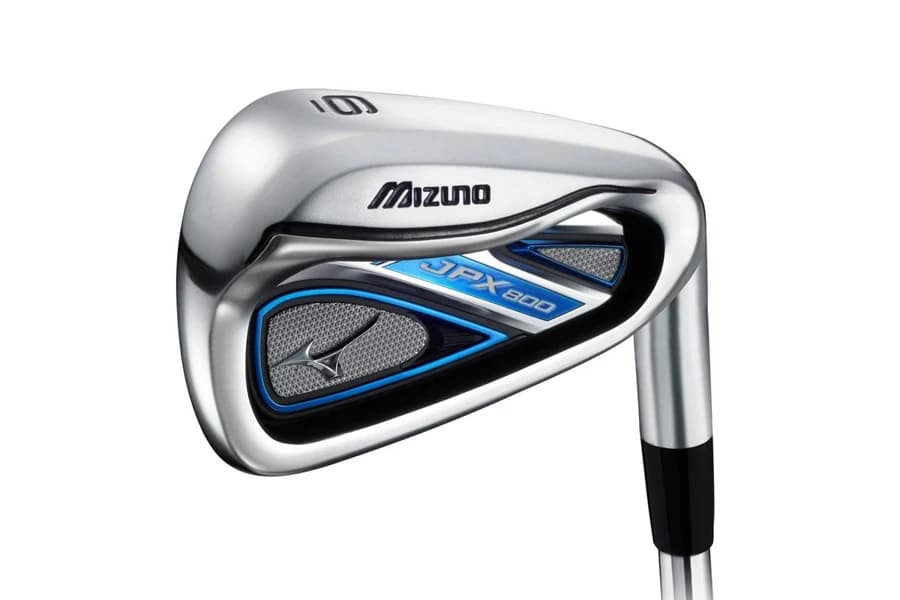
JPX 800 irons · 2011-2012 timeline
JPX 800 from Mizuno’s 2011-2012 timeline entry, with a 32° 7-iron and 44° pitching wedge in the linked factory chart.
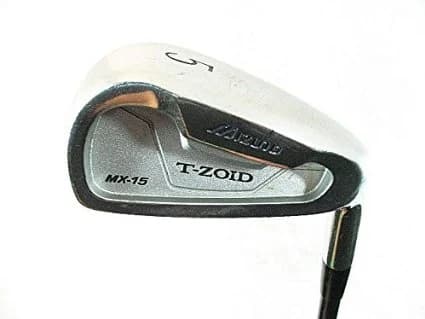
MX-15 irons · 2002-2004 timeline
MX-15 from Mizuno’s 2002-2004 timeline entry, with a 34° 7-iron and 47° pitching wedge in the linked factory chart.
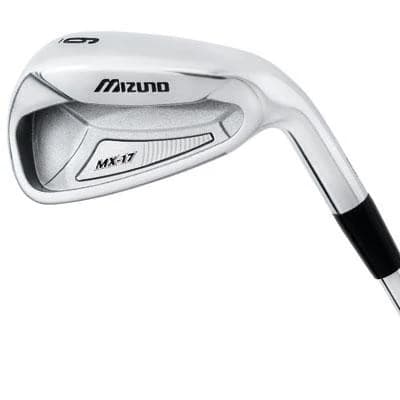
MX-17 irons · 2005 chart
MX-17 from Mizuno’s 2005-2006 timeline entry, with a 34° 7-iron and 46° pitching wedge in the linked factory chart.
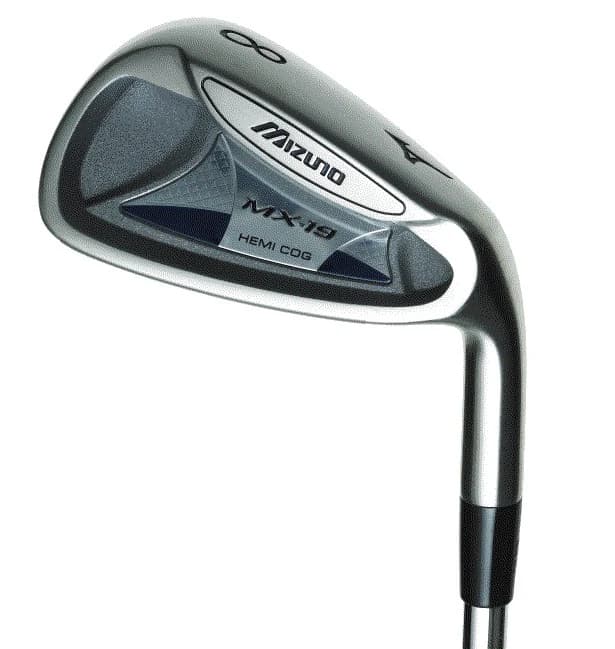
MX-19 irons · 2007-2008 timeline
MX-19 from Mizuno’s 2007-2008 timeline entry, with a 34° 7-iron and 46° pitching wedge in the linked factory chart.
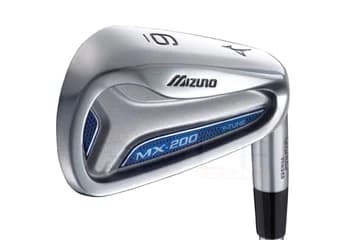
MX-200 irons · 2009-2010 timeline
MX-200 from Mizuno’s 2009-2010 timeline entry, with a 33° 7-iron and 45° pitching wedge in the linked factory chart.
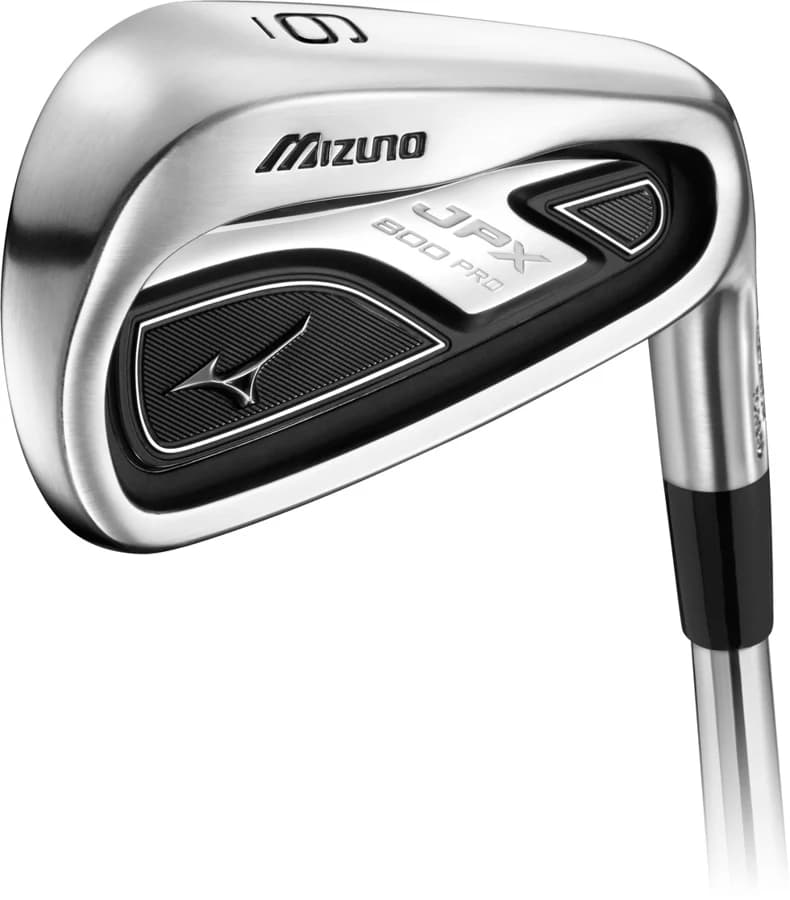
JPX 800 Pro irons · 2012-2013 timeline
JPX 800 Pro from Mizuno’s 2012-2013 timeline entry, with a 33° 7-iron and 45° pitching wedge in the linked factory chart.
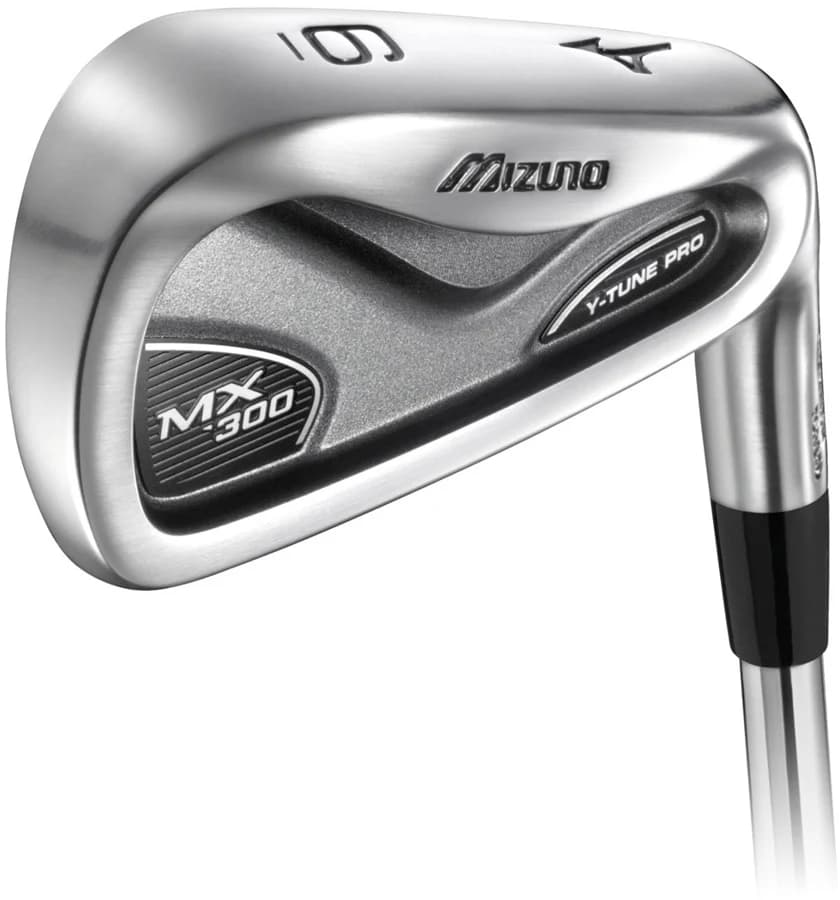
MX-300 irons · 2010 timeline
MX-300 from Mizuno’s 2010 timeline entry, with a 33° 7-iron and 45° pitching wedge in the linked factory chart.
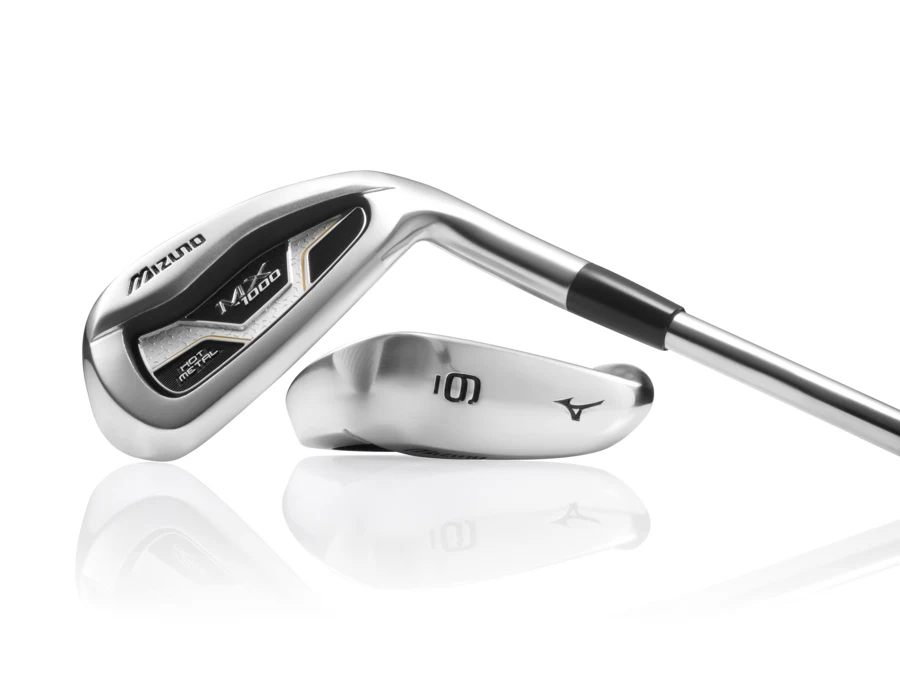
MX-1000 irons · 2010 timeline
MX-1000 from Mizuno’s 2010 timeline entry, with a 32° 7-iron and 44° pitching wedge in the linked factory chart.
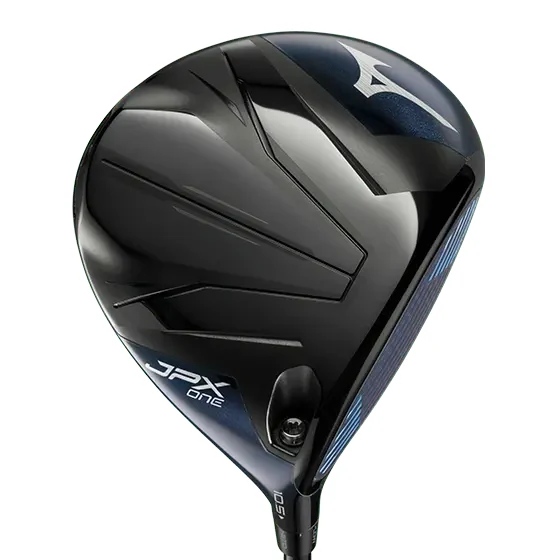
JPX ONE · 2026 US page
JPX ONE driver from Mizuno’s current US product page: 3 heads from 9.0° to 12.0°, 45.75 in standard length.
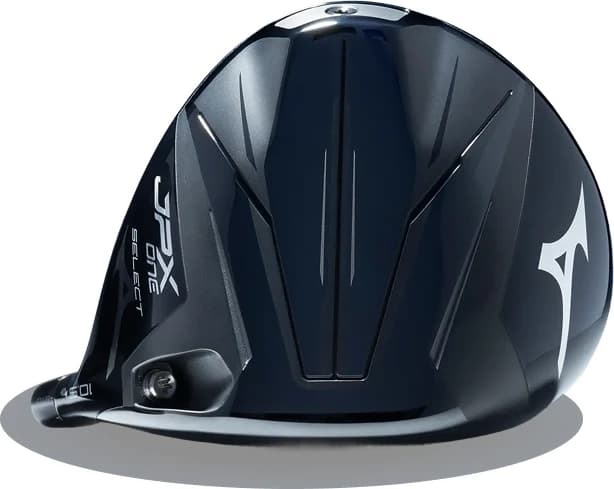
JPX ONE SELECT · 2026 US page
JPX ONE SELECT driver from Mizuno’s current US product page: 2 heads from 9.0° to 10.5°, 45.75 in standard length.
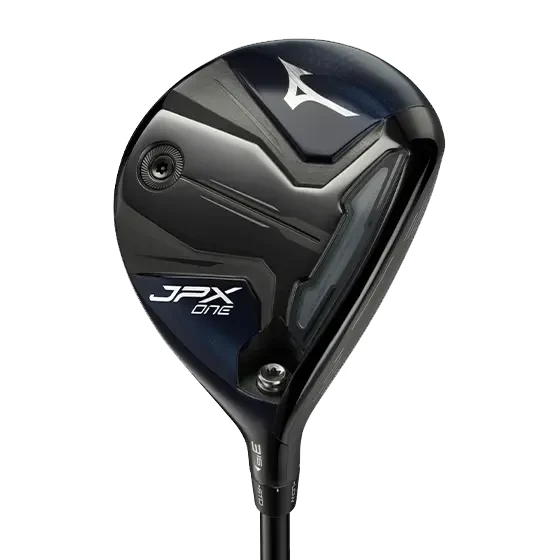
JPX ONE · 2026 US page
JPX ONE fairway wood from Mizuno’s current US product page: 5 heads, 41.75–43.25 in standard length.
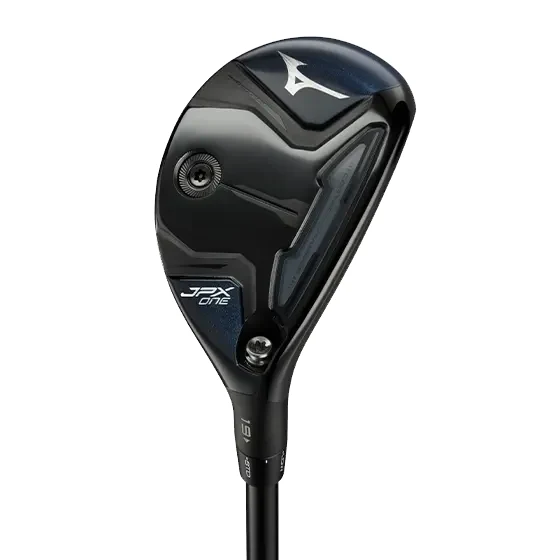
JPX ONE · 2026 US page
JPX ONE hybrid from Mizuno’s current US product page: 4 heads, 39.25–40.75 in standard length.
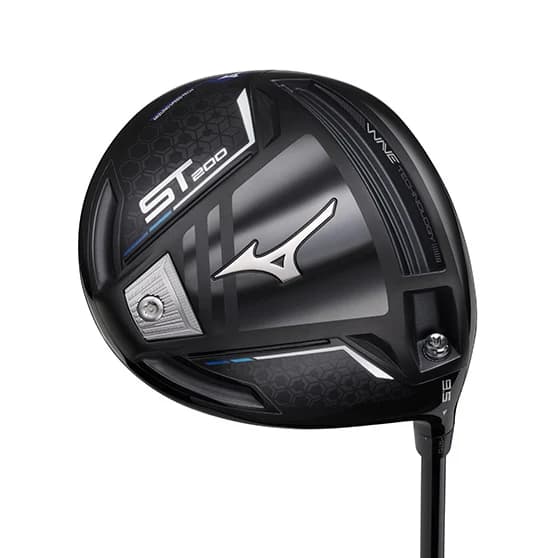
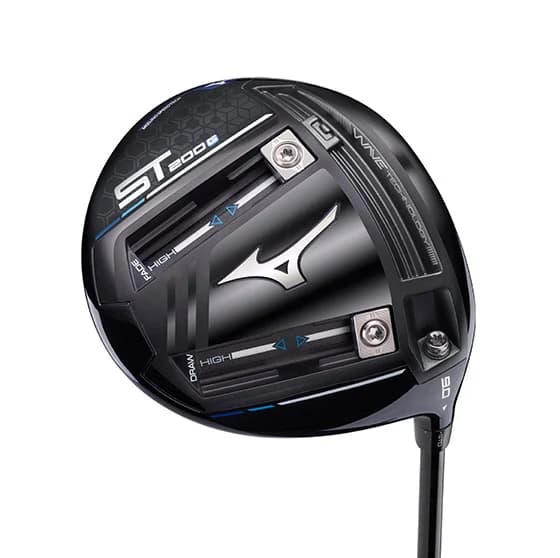
ST200 · 2020 US page
ST200 driver from Mizuno’s archived US product page: 2 heads from 9.5° to 10.5°, 45 in standard length.
ST200G · 2020 US page
ST200G driver from Mizuno’s archived US product page: one head, 45 in standard length.
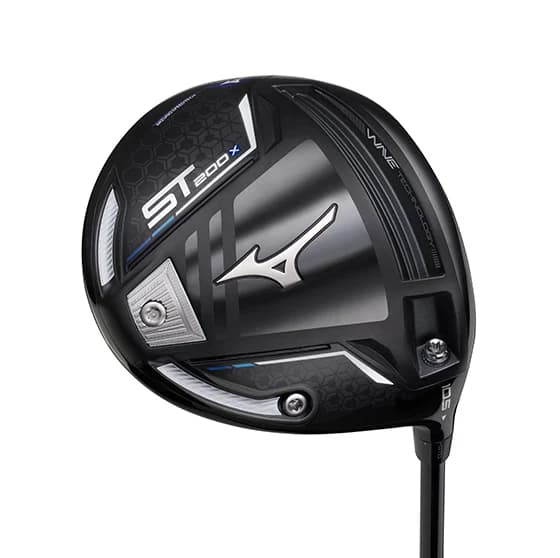
ST200X · 2020 US page
ST200X driver from Mizuno’s archived US product page: one head, 45.75 in standard length.
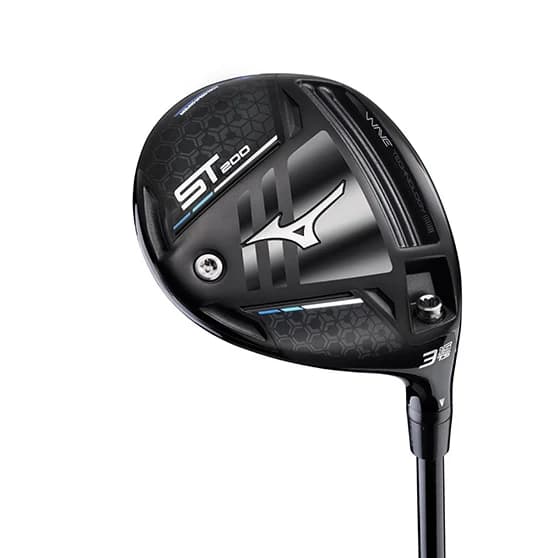
ST200 · 2020 US page
ST200 fairway wood from Mizuno’s archived US product page: 3 heads from 15.0° to 18.0°, 42.5–43 in standard length.
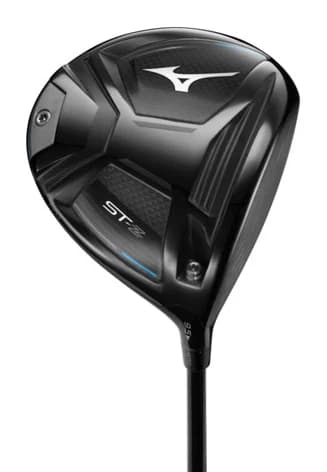
ST-Z 220 · 2022 US page
ST-Z 220 driver from Mizuno’s archived US product page: 2 heads from 9.5° to 10.5°, 45 in standard length.
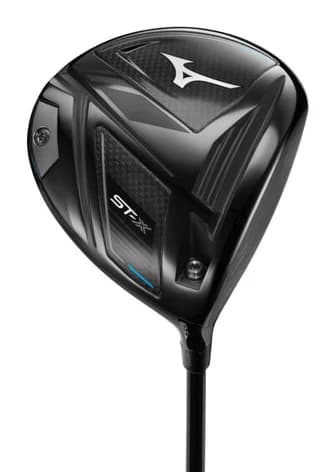
ST-X 220 · 2022 US page
ST-X 220 driver from Mizuno’s archived US product page: 2 heads from 10.5° to 12.0°, plus J Spec builds, 45–45.75 in standard length.
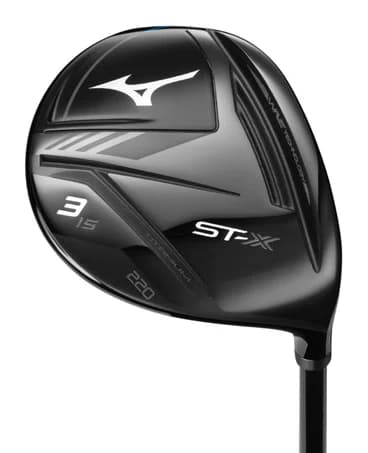
ST-X 220 · 2022 US page
ST-X 220 fairway wood from Mizuno’s archived US product page: 3 heads from 15.0° to 21.0°, 42.25–43.25 in standard length.
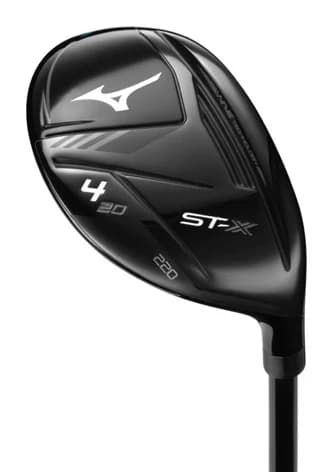
ST-X 220 · 2022 US page
ST-X 220 hybrid from Mizuno’s archived US product page: 3 heads from 20.0° to 26.0°, 39.25–40.25 in standard length.
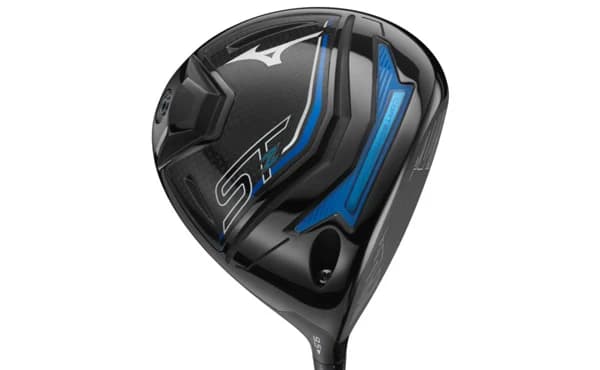
ST-Z 230 · 2023 US page
ST-Z 230 driver from Mizuno’s archived US product page: 2 heads from 9.5° to 10.5°, 45 in standard length.
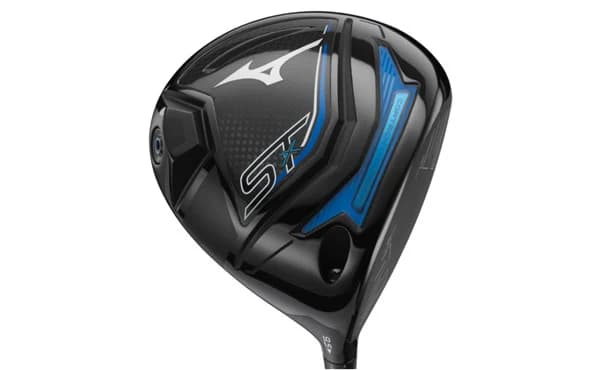
ST-X 230 · 2023 US page
ST-X 230 driver from Mizuno’s archived US product page: 3 heads from 9.5° to 12.0°, plus Women’s builds, 44–45 in standard length.
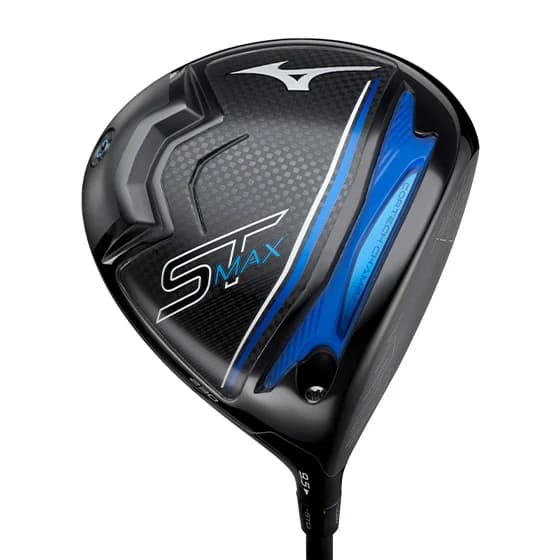
ST-MAX 230 · 2024 US page
ST-MAX 230 driver from Mizuno’s archived US product page: 3 heads from 9.5° to 12.0°, 45.75 in standard length.
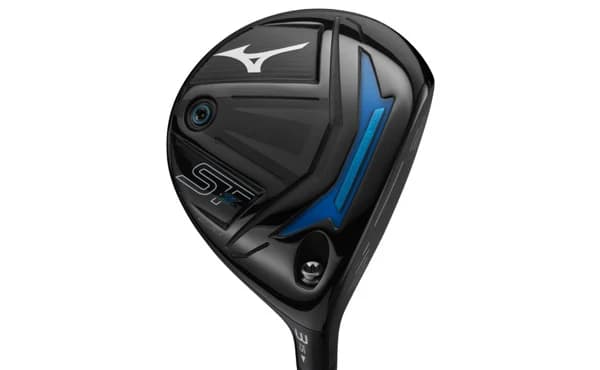
ST-Z 230 · 2023 US page
ST-Z 230 fairway wood from Mizuno’s archived US product page: 2 heads from 15.0° to 18.0°, 42.5–43 in standard length.
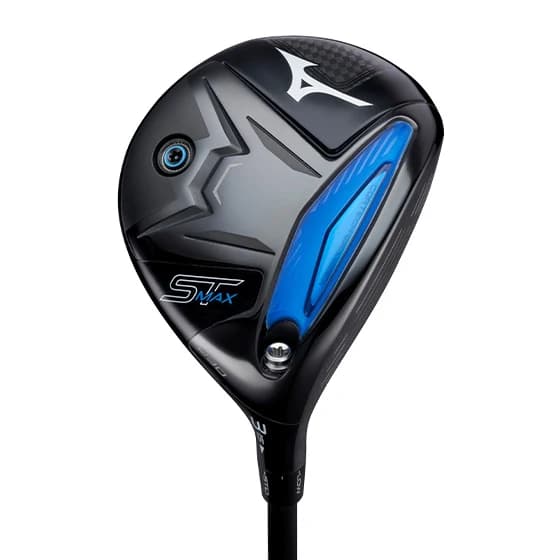
ST-MAX 230 · 2024 US page
ST-MAX 230 fairway wood from Mizuno’s archived US product page: 3 heads from 15.0° to 21.0°, 42.25–43.25 in standard length.
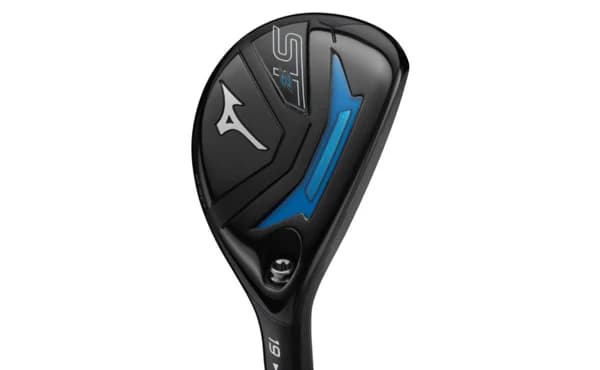
ST-Z 230 · 2023 US page
ST-Z 230 hybrid from Mizuno’s archived US product page: 4 heads from 16.0° to 25.0°, 39.5–41 in standard length.
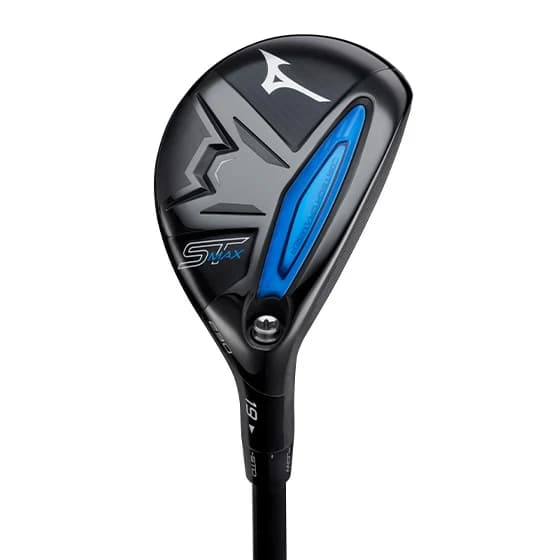
ST-MAX 230 · 2024 US page
ST-MAX 230 hybrid from Mizuno’s archived US product page: 4 heads from 19.0° to 28.0°, 39–40.5 in standard length.
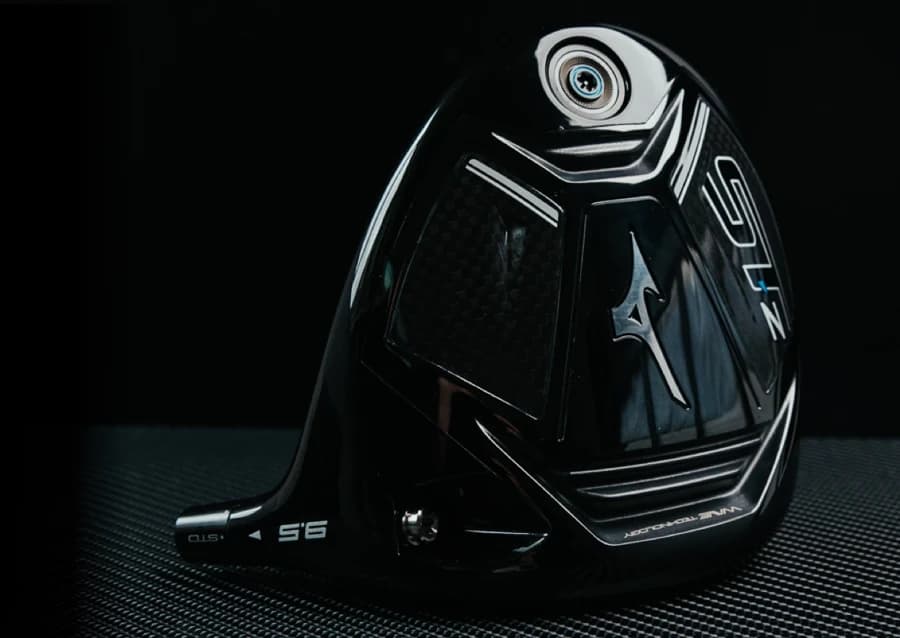
ST-Z (2021) · 2021 US page
ST-Z (2021) driver from Mizuno’s archived US product page: 2 heads from 9.5° to 10.5°, 45 in standard length.
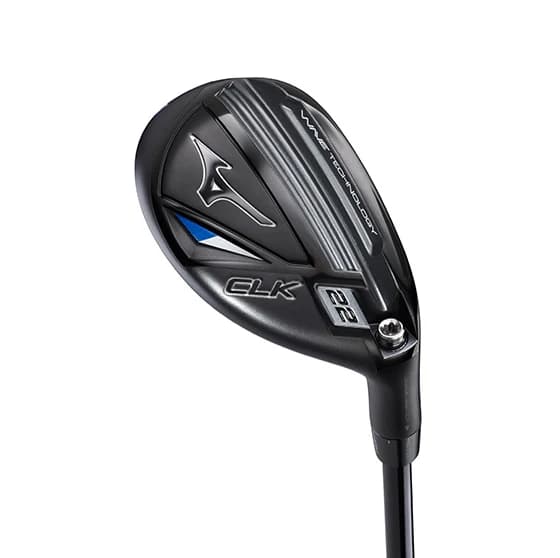
CLK · 2020 US page
CLK hybrid from Mizuno’s archived US product page: 4 heads, 39.5–41 in standard length.
Finding the right Mizuno reference
A family name can span multiple heads or generations. Read the complete model name, any suffix and the source notes. Model references retain undated generations where a release year has not been established.
Explore the original Mizuno iron charts → · Iron model timeline ↗