Mizuno JPX 825 irons (2013-2014 timeline)
JPX 825 from Mizuno’s 2013-2014 timeline entry, with a 32° 7-iron and 45° pitching wedge in the linked factory chart.
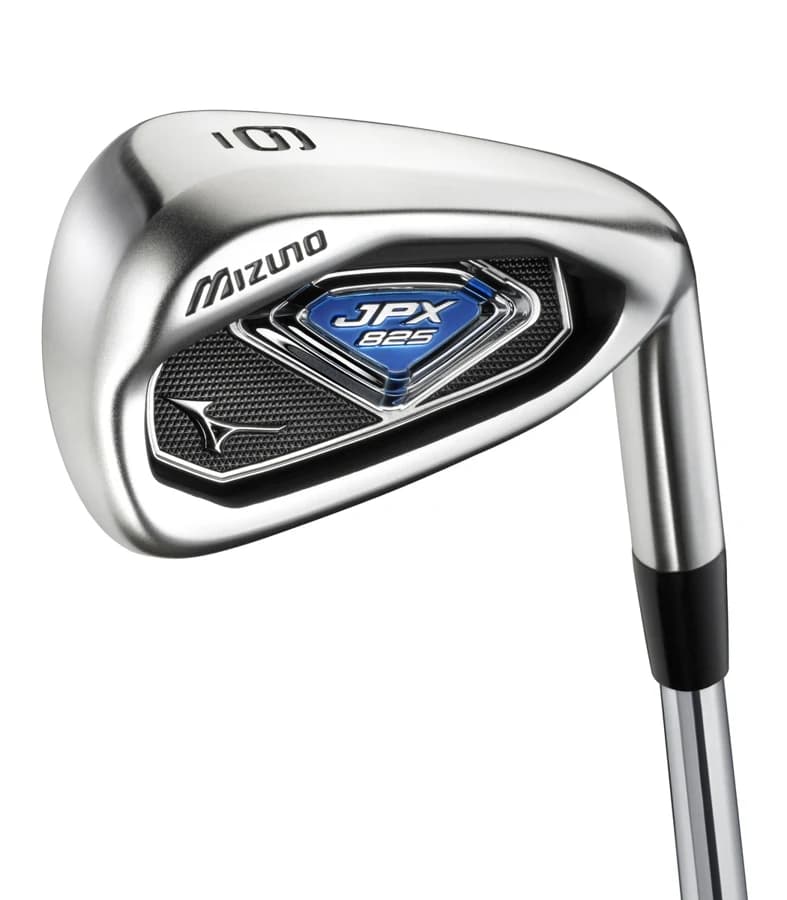
Loft, lie & length chart
Factory length row in inches; no separate shaft-material length rows are given in this chart.
| Club | Loft (°) | Lie (°) | Length (in) |
|---|---|---|---|
| 4 | 22 | 60 | 38.25 |
| 5 | 25 | 60.5 | 37.75 |
| 6 | 28 | 61 | 37.25 |
| 7 | 32 | 61.5 | 36.75 |
| 8 | 36 | 62 | 36.25 |
| 9 | 40 | 62.5 | 35.75 |
| PW | 45 | 63 | 35.5 |
| GW | 50 | 63 | 35.25 |
Source: Mizuno JPX 825 factory chart linked from the US iron timeline. Checked 2026-10-06.
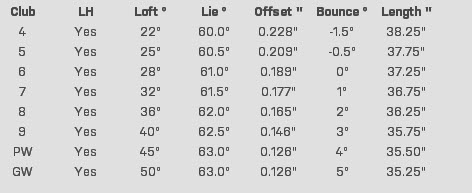
How to identify this generation
- The cavity has a blue JPX-825 badge; it is distinct from the Pro head.
What to notice in the specifications
- The US-site timeline labels this head 2013-2014.
- The linked chart lists a 32° 7-iron and 45° pitching wedge. Match the head name as well as those angles; equal loft does not establish equal distance or fit.
- The source range is 4 through GW; it describes listed specifications, not the contents of every retail or used set.
Read our loft guide for a worked example of comparing the numbers, and our used iron checklist before relying on a seller's description.
Continue with Mizuno
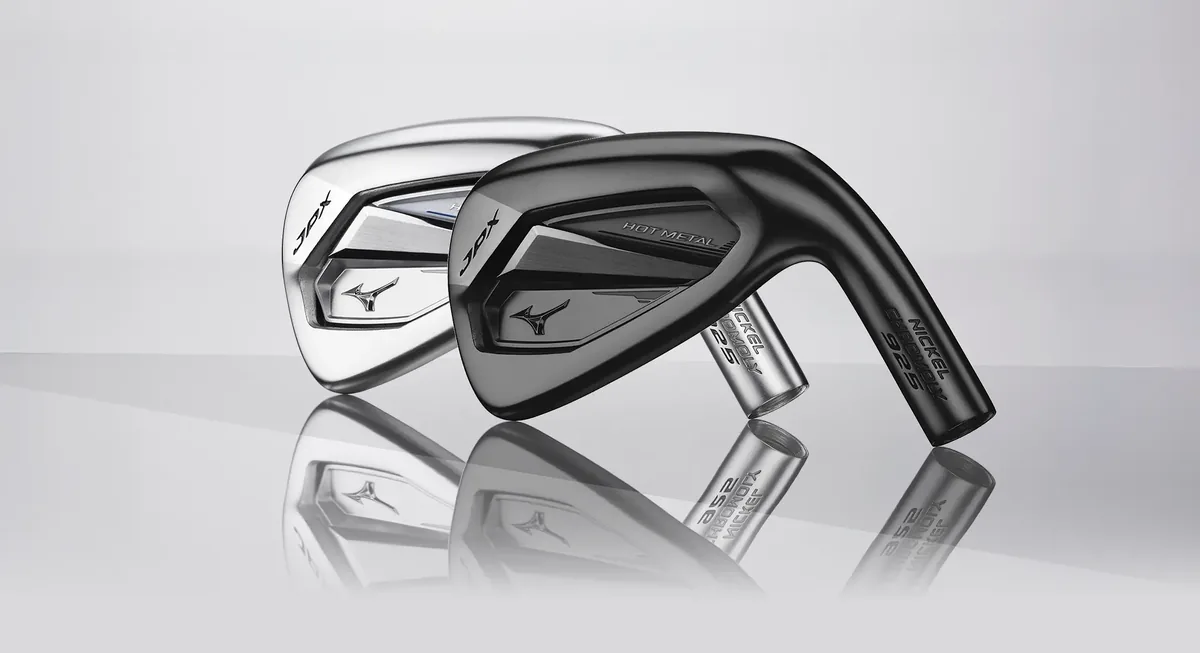
Hot Metal irons (JPX925)
The JPX925 Hot Metal standard row includes a 28° 7-iron and a 54° set sand wedge.
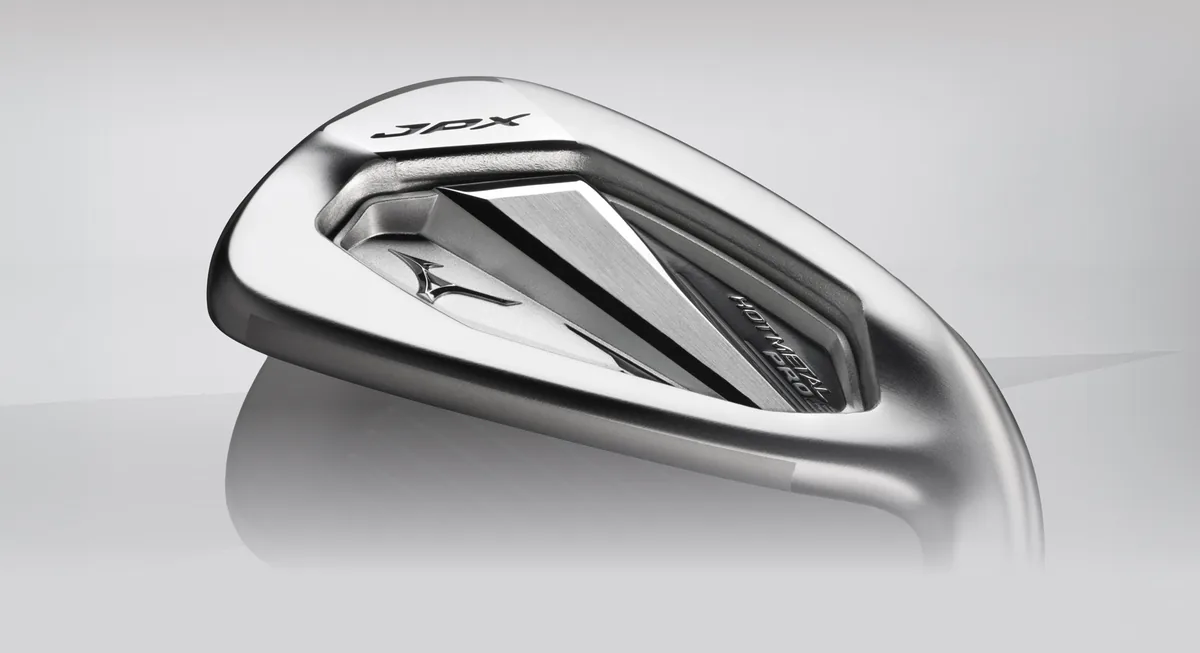
Hot Metal Pro irons (JPX925)
Mizuno publishes the same loft, lie and length sequence for JPX925 Hot Metal and Pro through GW, with different head dimensions.
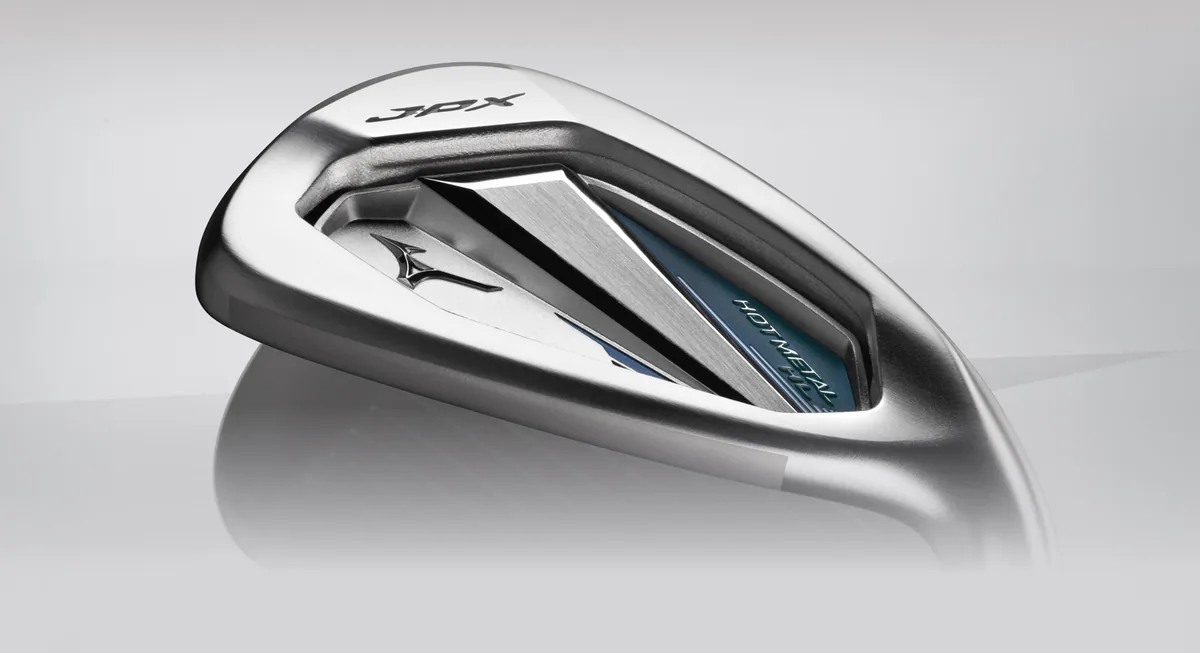
Hot Metal HL irons (JPX925)
The HL variant uses a 31° 7-iron and 45° pitching wedge in the JPX925 chart.
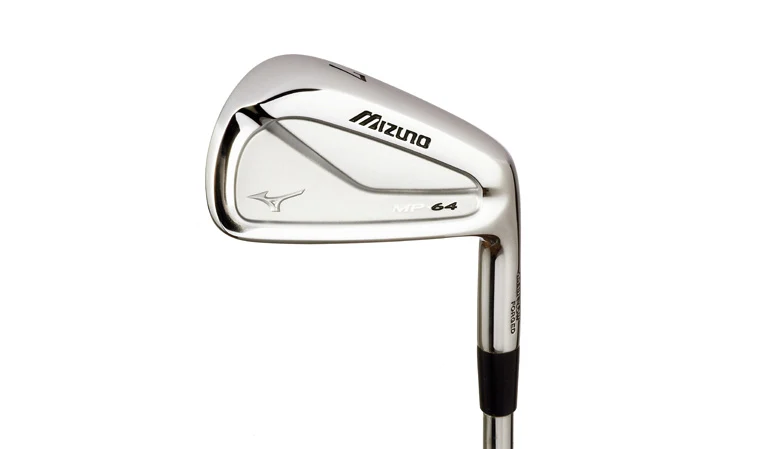
MP-64 irons (2013-2014 timeline)
MP-64 from Mizuno’s 2013-2014 timeline entry, with a 34° 7-iron and 46° pitching wedge in the linked factory chart.