Mizuno ST200 (2020 US page)
ST200 driver from Mizuno’s archived US product page: 2 heads from 9.5° to 10.5°, 45 in standard length.
- Published loft options
- 9.5, 10.5°
- Published length
- 45 in
- Published adjustable lie range
- 56.5–59.5°
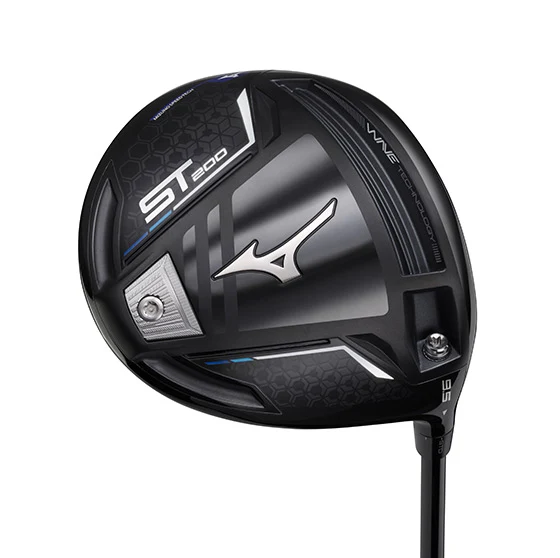
Documented specifications & build options
Standard head specifications from Mizuno’s US specification table. Values describe the stock build and standard hosel setting; custom lengths, shafts and settings differ.
| Field | Documented value |
|---|---|
| Published loft options | 9.5, 10.5 ° |
| Published length | 45 in |
| Published adjustable lie range | 56.5–59.5 ° |
| Published head volume | 460 cc |
Source: Mizuno ST200 driver US product page, Internet Archive capture of 2020-08-12. Reviewed 2026-10-09.
Specifications by configuration
| Configuration | Published values |
|---|---|
| 9.5° head ↗ | Loft: 9.5 ° Adjustable loft range: 7.5–11.5° Adjustable lie range: 56.5–59.5° Length: 45 in Head volume: 460 cc |
| 10.5° head ↗ | Loft: 10.5 ° Adjustable loft range: 8.5–12.5° Adjustable lie range: 56.5–59.5° Length: 45 in Head volume: 460 cc |
Identifying the right model
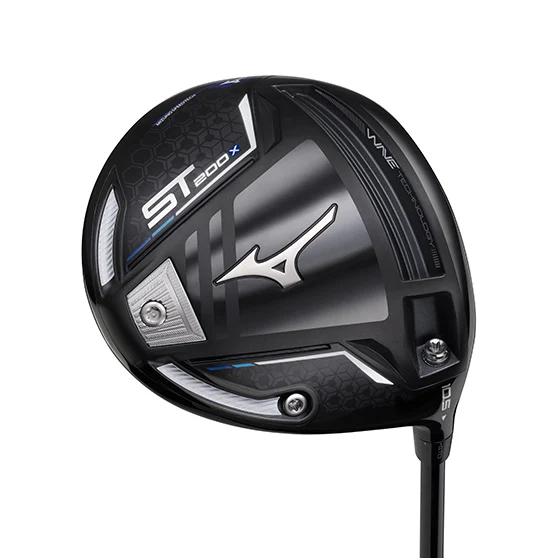
- Large ST200 lettering and a white runbird logo sit on a black sole with blue accent lines and a silver weight near the heel.
Good to know about the Mizuno ST200 driver
In Mizuno's own words, quoted from the maker's page for this model. These are the manufacturer's descriptions, not our tests, and they leave out anything the page does not say.
- Ball flight it was designed for:
Combining the unlikely companions of low spin and abundant forgiveness – the ST200 is a high stability driver for players wanting straight line distance and predictability.
Quoted from web.archive.org. Read October 9, 2026.
Continue exploring drivers
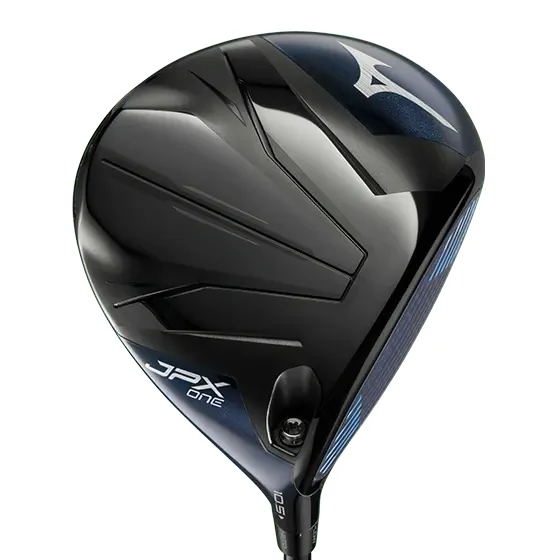
JPX ONE · 2026 US page
JPX ONE driver from Mizuno’s current US product page: 3 heads from 9.0° to 12.0°, 45.75 in standard length.
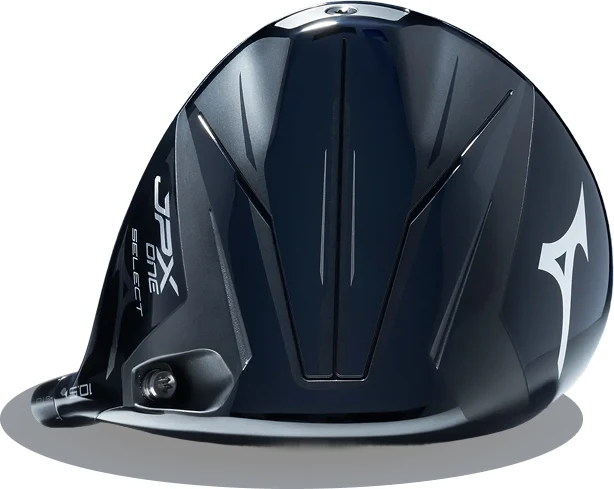
JPX ONE SELECT · 2026 US page
JPX ONE SELECT driver from Mizuno’s current US product page: 2 heads from 9.0° to 10.5°, 45.75 in standard length.
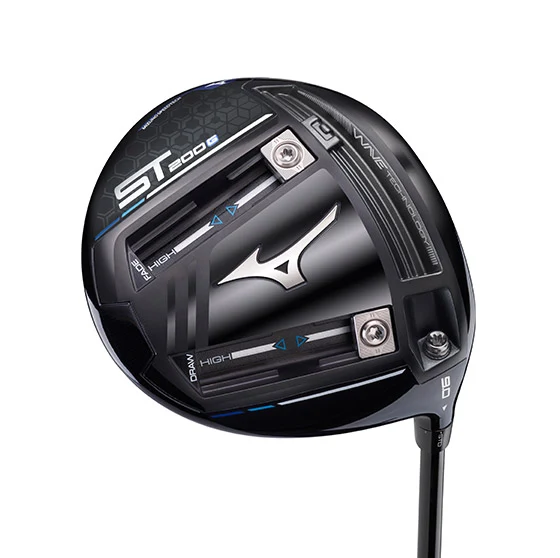
ST200G · 2020 US page
ST200G driver from Mizuno’s archived US product page: one head, 45 in standard length.
ST200X · 2020 US page
ST200X driver from Mizuno’s archived US product page: one head, 45.75 in standard length.