Adams Idea Pro Black CB1 irons (2011 US page)
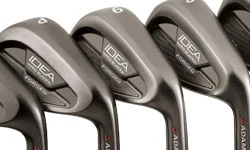
Adams Idea Pro Black CB1 irons from the archived 2011 US product page, with a 34° 7-iron and 46° pitching wedge.
- 7-iron loft
- 34°
- Pitching wedge loft
- 46°
- 7-iron length
- 37 in
Loft, lie & length chart
Adams’ standard men’s specification table from the archived US product page: loft, lie and length in inches, one length per club for the stock graphite and steel builds.
| Club | Loft (°) | Lie (°) | Length (in) |
|---|---|---|---|
| 4 | 24 | 60.75 | 38.5 |
| 5 | 27 | 61.25 | 38 |
| 6 | 30 | 61.75 | 37.5 |
| 7 | 34 | 62.25 | 37 |
| 8 | 38 | 62.75 | 36.5 |
| 9 | 42 | 63.25 | 36 |
| PW | 46 | 63.5 | 35.75 |
| GW | 51 | 63.75 | 35.5 |
Source: Adams Golf “Idea Pro Black CB1 Irons” specifications page (adamsgolf.com), Internet Archive capture of 2011-04-27. Checked 2026-10-22.
How to identify this generation
- Adams’ photo shows three dark grey CB1 irons from the back, each with a white-framed IDEA badge in the upper cavity, FORGED lettering low on the toe side and the club number at the top of the back.
- The Idea Pro name also appears on these Adams irons; compare their markings before using this chart: Idea Pro, Idea Pro Gold (2008 US page); Idea Pro Black, Idea Pro a12 (2011 US page).
What to notice in the specifications
- Adams lists the CB1 as 4-GW, right-hand only, with Project X Flighted Rifle steel or Mitsubishi Rayon JAVLNFX i95 graphite; the GW is 51°.
- Adams publishes the same lofts, lies and lengths from 4-iron to PW for the Idea Pro a12 irons and the Idea CMB irons, different heads; both of those list a 50° GW where the CB1 GW is 51°.
Read our loft guide for a worked example of comparing the numbers, and our used iron checklist before relying on a seller's description.
Continue with Adams
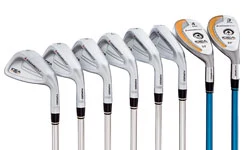
Idea Pro irons (2008 US page)
Adams Idea Pro irons from the archived 2008 US product page, with a 34° 7-iron and 46° pitching wedge.
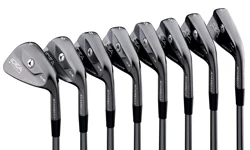
Idea Pro Black irons (2011 US page)
Adams Idea Pro Black irons from the archived 2011 US product page, with a 35° 7-iron and 47° pitching wedge.
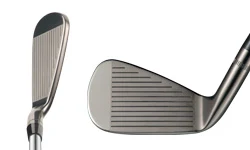
Idea Pro a12 irons (2011 US page)
Adams Idea Pro a12 irons from the archived 2011 US product page, with a 34° 7-iron and 46° pitching wedge.
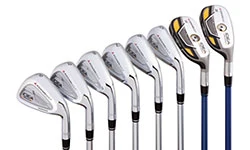
Idea Pro Gold irons (2008 US page)
Adams Idea Pro Gold irons from the archived 2008 US product page, with a 34° 7-iron and 46° pitching wedge.