PING G425 LST (2021 US page)
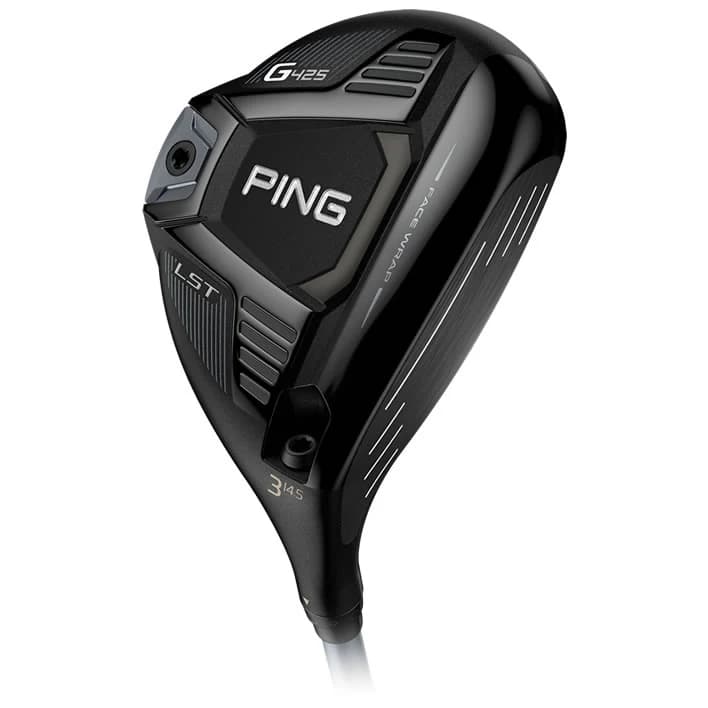
G425 LST fairway wood from PING’s archived US product page: one 14.5° head, 43 in standard length.
Documented specifications & build options
Standard head specifications from PING’s US table at the standard hosel setting and stock length, with fractional inches converted exactly (45 3/4" = 45.75").
| Field | Documented value |
|---|---|
| Published loft options | 14.5 ° |
| Published heads | 3-wood |
| Published length | 43 in |
| Published lie | 56.5 ° |
| Published head volume | 165 cc |
| Listed shaft options | PING Alta CB 65 Slate; PING Tour 65; PING Tour 75; Mitsubishi Tensei AV Orange 75; Aldila Rogue White 130 MSI 70; Aldila Rogue White 130 MSI 80 |
Source: PING G425 LST fairway wood US product page, Internet Archive capture of 2021-01-16. Reviewed 2026-10-09.
Specifications by configuration
| Configuration | Published values |
|---|---|
| 3-wood · 14.5° ↗ | Loft: 14.5 ° Loft adjustability: ±1.5° Length: 43 in Lie: 56.5 ° Head volume: 165 cc Swing weight: D2 |
Identifying the right model
- A G425 badge sits near the toe, PING on a grey panel and LST lettering near the heel of the black sole.
- Match the full model name and any suffix (MAX, LST, SFT, HL, Stretch) on the head as well as the printed loft.
What to check before using the reference
- PING’s live US site no longer lists this model; the figures come from an Internet Archive capture of PING’s US page dated 2021-01-16.
- The table gives the standard setting of each head. PING lists ±1.5° of loft adjustability, so the hosel setting on a used club can change its loft and lie from these values.
Continue exploring fairway woods
G440 MAX
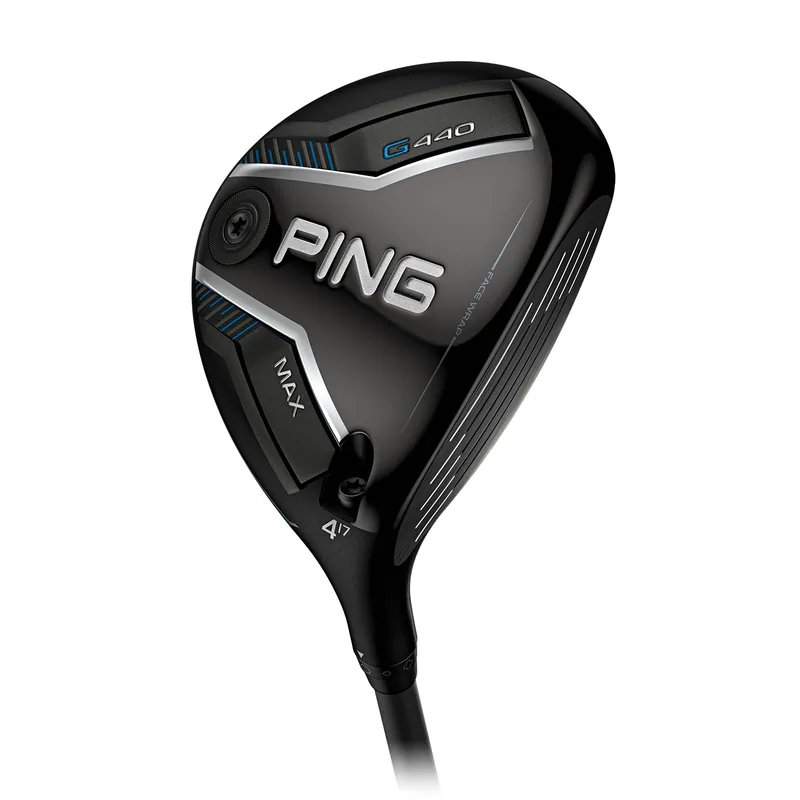
G440 MAX fairway wood reference. Published loft options: 15 (3-wood), 17 (4-wood), 19 (5-wood), 21 (7-wood), 24 (9-wood)°. See the documented build choices and source links.
G440 SFT
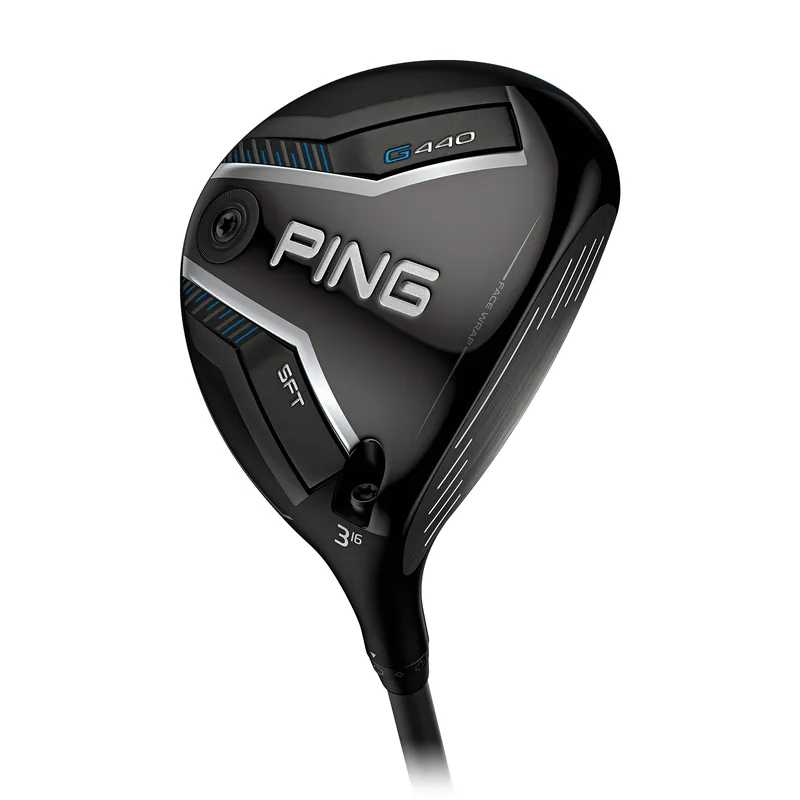
G440 SFT fairway wood reference. Published loft options: 16 (3-wood), 19 (5-wood), 22 (7-wood)°. See the documented build choices and source links.
G430 MAX · 2026 US page
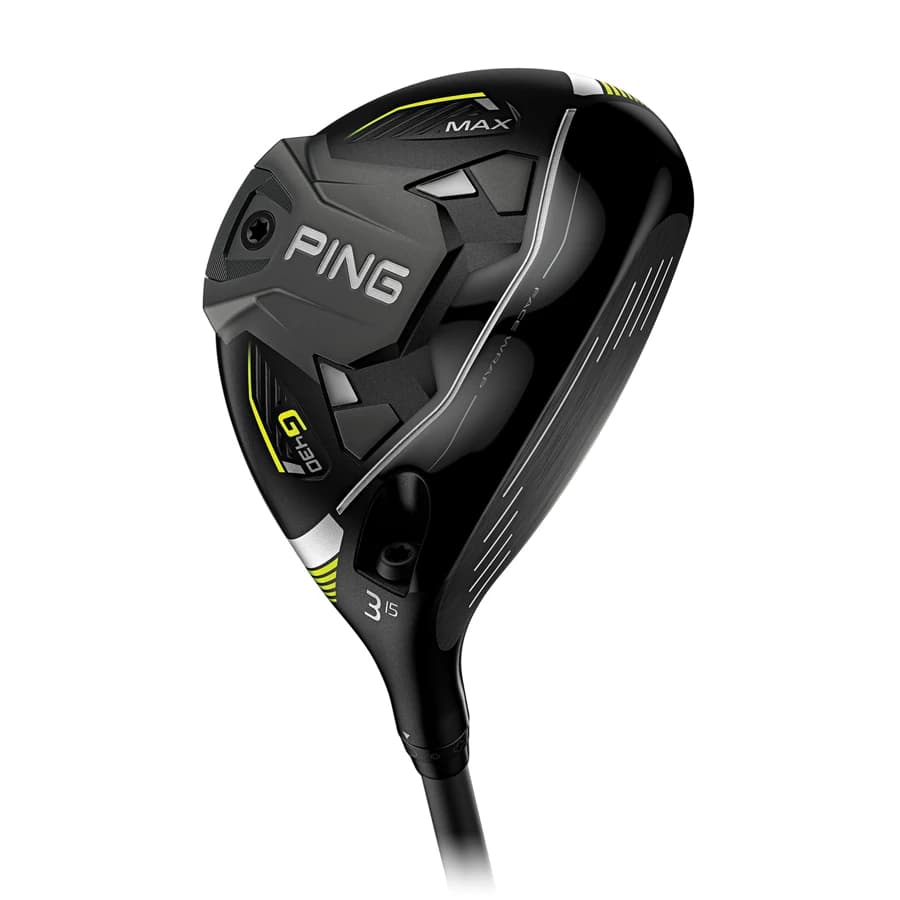
G430 MAX fairway wood from PING’s current US product page: 4 heads from 15.0° to 24.0°, 41.5–43 in standard length.
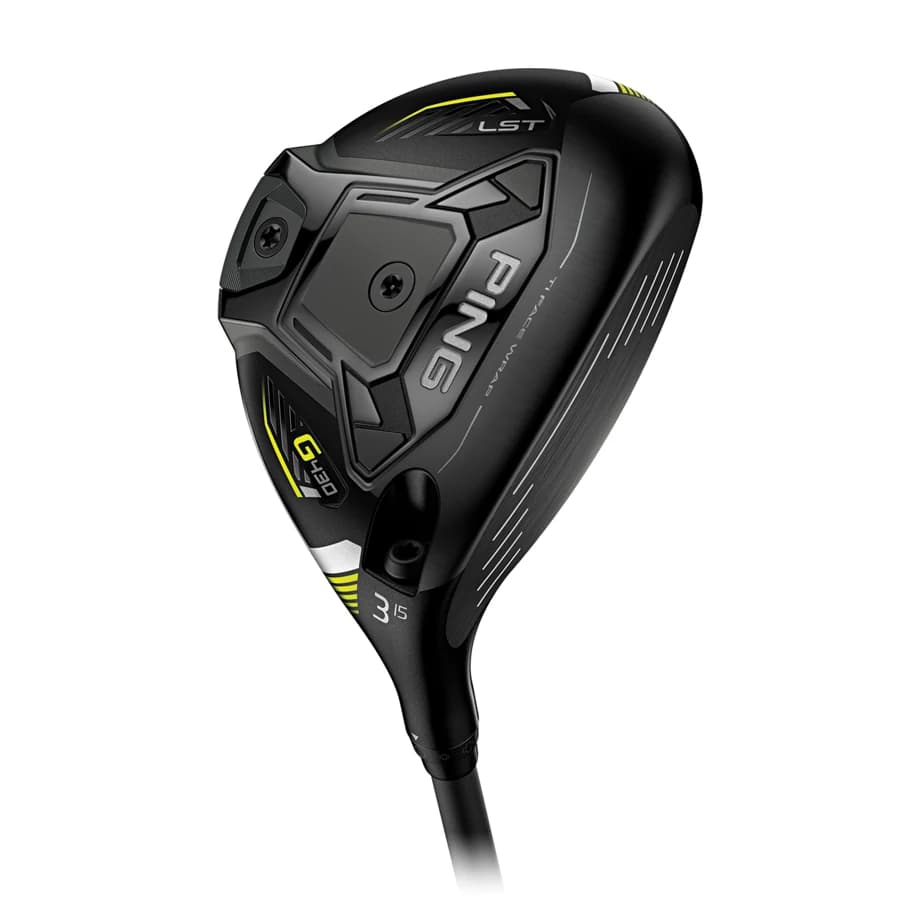
G430 LST · 2026 US page
G430 LST fairway wood from PING’s current US product page: one 15.0° head, 43 in standard length.