TaylorMade Tour Preferred (2014 archive edition)
Tour Preferred wedges (2014 sheet): 10 loft/bounce rows from 50° to 60°, bounce 9° to 12°, soles Classic grind, ATV grind.
- Published loft options
- 50, 52, 54, 56, 58, 60°
- Published bounce range
- 9–12°
- Published sole grinds
- Classic grind, ATV grind
Documented specifications & build options
Factory sell sheet linked from TaylorMade’s year-by-year archive: one row per loft, bounce and sole option with the stock steel length in inches; swing weights are the stated stock-build targets.
| Field | Documented value |
|---|---|
| Published loft options | 50, 52, 54, 56, 58, 60 ° |
| Published bounce range | 9–12 ° |
| Published sole grinds | Classic grind, ATV grind |
| Standard lie | 64 ° |
| Published length range | 35–35.5 in |
Source: TaylorMade Tour Preferred 2014 factory specification sheet. Reviewed 2026-10-22.
Specifications by configuration
| Configuration | Published values |
|---|---|
| 50° · 9° bounce · Classic grind ↗ | Loft: 50 ° Bounce: 9 ° Sole grind: Classic grind Lie: 64 ° Length: 35.5 in Hand: RH Swing weight: D3 Finish: Un-plated Satin Material: 304 Stainless Steel Face: Micro-Texture |
| 52° · 9° bounce · Classic grind ↗ | Loft: 52 ° Bounce: 9 ° Sole grind: Classic grind Lie: 64 ° Length: 35.5 in Hand: RH / LH Swing weight: D3 Finish: Un-plated Satin Material: 304 Stainless Steel Face: Micro-Texture |
| 54° · 11° bounce · Classic grind ↗ | Loft: 54 ° Bounce: 11 ° Sole grind: Classic grind Lie: 64 ° Length: 35.25 in Hand: RH / LH Swing weight: D4 Finish: Un-plated Satin Material: 304 Stainless Steel Face: Micro-Texture |
| 56° · 12° bounce · Classic grind ↗ | Loft: 56 ° Bounce: 12 ° Sole grind: Classic grind Lie: 64 ° Length: 35.25 in Hand: RH / LH Swing weight: D4 Finish: Un-plated Satin Material: 304 Stainless Steel Face: Micro-Texture |
| 58° · 10° bounce · Classic grind ↗ | Loft: 58 ° Bounce: 10 ° Sole grind: Classic grind Lie: 64 ° Length: 35 in Hand: RH / LH Swing weight: D5 Finish: Un-plated Satin Material: 304 Stainless Steel Face: Micro-Texture |
| 60° · 10° bounce · Classic grind ↗ | Loft: 60 ° Bounce: 10 ° Sole grind: Classic grind Lie: 64 ° Length: 35 in Hand: RH / LH Swing weight: D5 Finish: Un-plated Satin Material: 304 Stainless Steel Face: Micro-Texture |
| 54° · ATV grind ↗ | Loft: 54 ° Sole grind: ATV grind Lie: 64 ° Length: 35.25 in Hand: RH Swing weight: D4 Finish: Un-plated Satin Material: 304 Stainless Steel Face: Micro-Texture |
| 56° · ATV grind ↗ | Loft: 56 ° Sole grind: ATV grind Lie: 64 ° Length: 35.25 in Hand: RH / LH Swing weight: D4 Finish: Un-plated Satin Material: 304 Stainless Steel Face: Micro-Texture |
| 58° · ATV grind ↗ | Loft: 58 ° Sole grind: ATV grind Lie: 64 ° Length: 35 in Hand: RH Swing weight: D5 Finish: Un-plated Satin Material: 304 Stainless Steel Face: Micro-Texture |
| 60° · ATV grind ↗ | Loft: 60 ° Sole grind: ATV grind Lie: 64 ° Length: 35 in Hand: RH / LH Swing weight: D5 Finish: Un-plated Satin Material: 304 Stainless Steel Face: Micro-Texture |
Identifying the right model
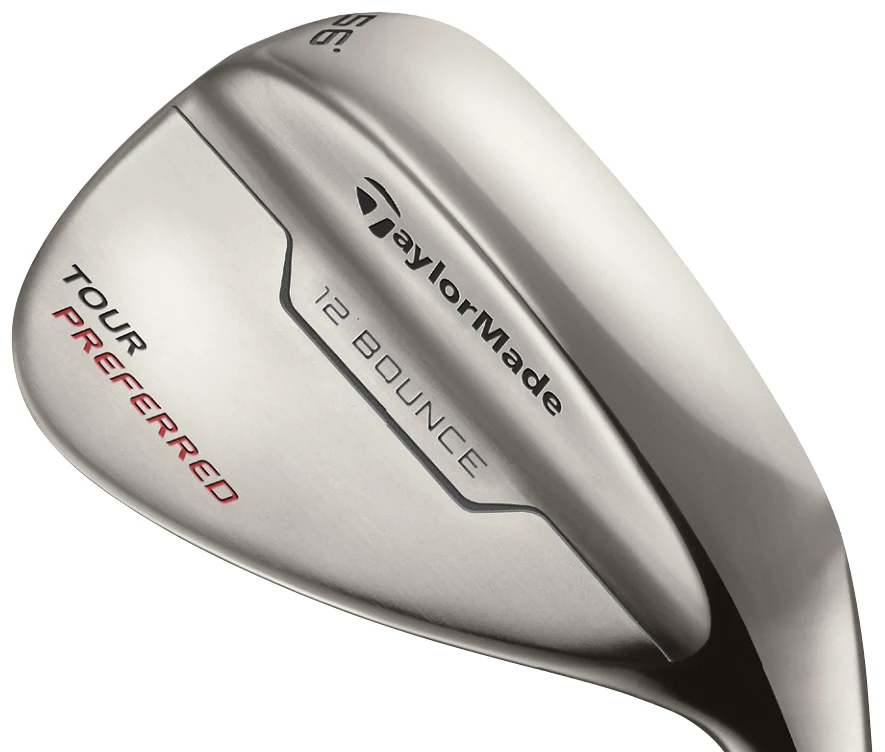
- The sheet's back view shows a raw satin head with TOUR PREFERRED in red script low on the toe side of the back, a TaylorMade badge and 12 BOUNCE lettered on the raised flange toward the heel, and the loft (56) stamped on the top edge.
- Two soles are published: the classic grind with numbered bounce (50° to 60°) and the ATV grind without a bounce figure (54° to 60°); an ATV GRIND marking replaces the bounce number on that head.
What to check before using the reference
- The 304 stainless steel head is un-plated satin by design and the micro-texture face is raw; the stock shaft is KBS Tour V wedge flex.
- Lengths are printed without inch marks on this sheet (35.5, 35.25, 35).
Continue exploring wedges
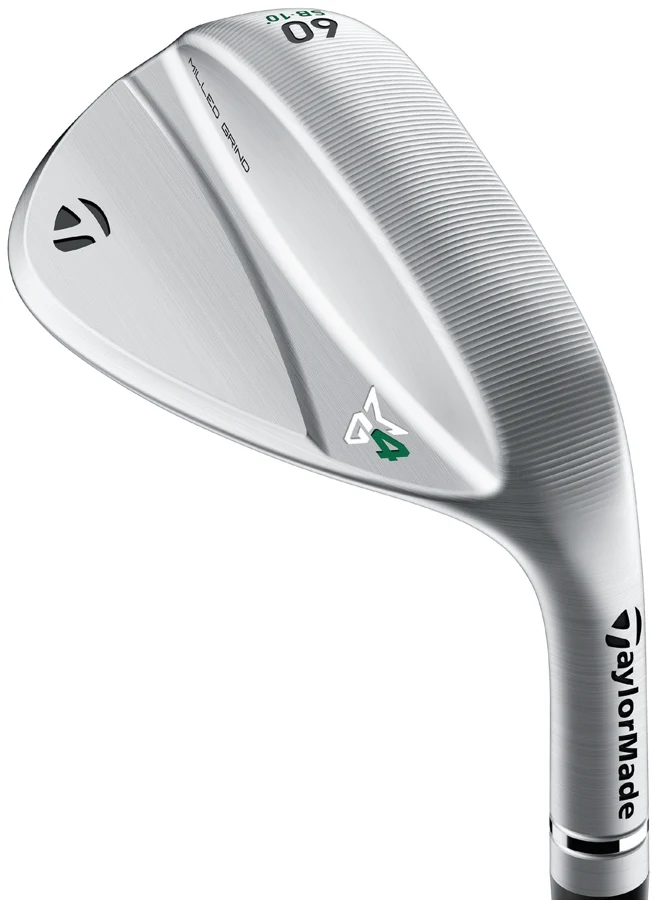
Milled Grind 4 · 2023 archive edition
Milled Grind 4 wedges (2023 sheet): 23 loft/bounce rows from 46° to 60°, bounce 7° to 14°, soles Standard Bounce, Standard Bounce C-Grind, Low Bounce, Low Bounce V-Grind, High Bounce, High Bounce W-Grind, Tiger Grind.
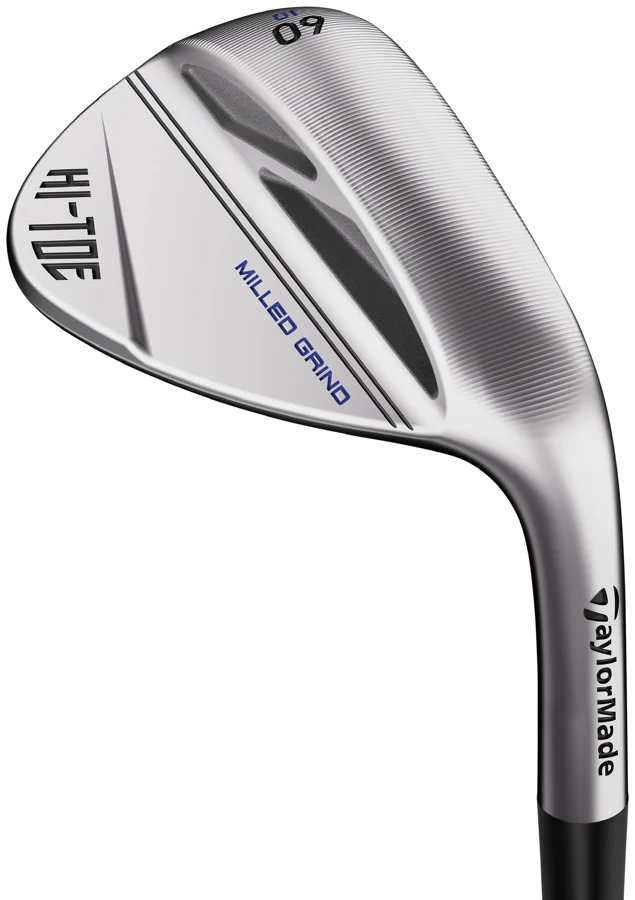
Hi-Toe 3 · 2023 archive edition
Hi-Toe 3 wedges (2023 sheet): 10 loft/bounce rows from 50° to 60°, bounce 7° to 13°, soles Standard Bounce, Low Bounce, High Bounce.
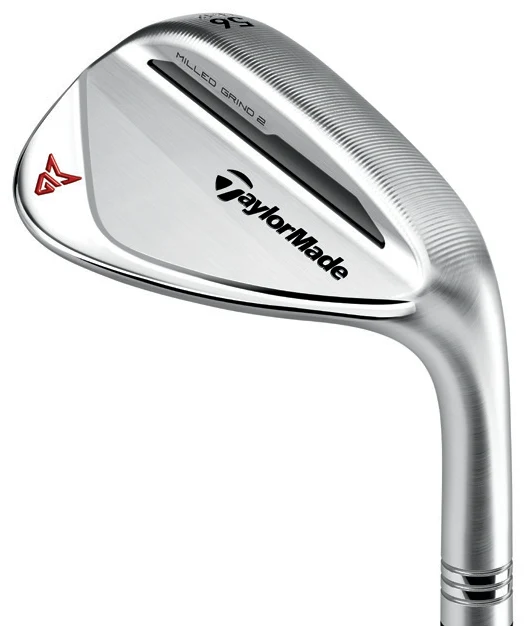
Milled Grind 2 · 2019 archive edition
Milled Grind 2 wedges (2019 sheet): 11 loft/bounce rows from 48° to 60°, bounce 8° to 12°, soles Standard Bounce, Low Bounce.
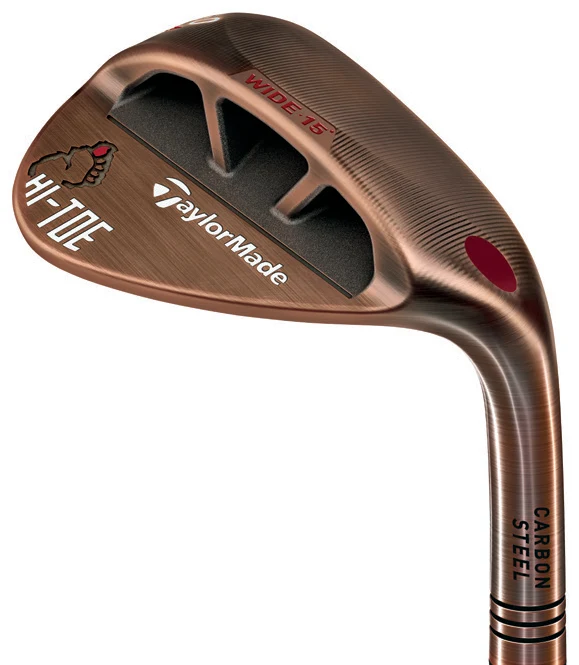
Hi-Toe Big Foot · 2019 archive edition
Hi-Toe Big Foot wedges (2019 sheet): 2 loft/bounce rows from 58° to 60°, 15° bounce, soles Big Foot wide sole (asymmetric C-grind).