PING Zing irons (1992)
PING ZING, introduced in January 1992, with a 34.5° 7-iron and 47° pitching wedge.
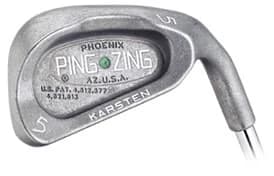
Loft, lie & length chart
Standard lengths from PING’s US specification table, converted from fractional inches (36 3/4" = 36.75"). Colour-code lie and length adjustments are not substituted.
| Club | Loft (°) | Lie (°) | Length (in) |
|---|---|---|---|
| 1 | 15.5 | 59 | 39.75 |
| 2 | 18 | 59.5 | 39.25 |
| 3 | 20.5 | 60.5 | 38.75 |
| 4 | 24 | 61 | 38.25 |
| 5 | 27 | 61.5 | 37.75 |
| 6 | 30.5 | 62.5 | 37.25 |
| 7 | 34.5 | 63.5 | 36.75 |
| 8 | 38.5 | 64 | 36.25 |
| 9 | 42.5 | 65 | 35.75 |
| PW | 47 | 64.5 | 35.5 |
| SW | 52 | 65.5 | 35.25 |
| LS | 57 | 65.5 | 35.25 |
Source: PING Zing irons, Internet Archive capture of PING’s US page dated 2003-09-08. Checked 2026-10-08.
How to identify this generation
- PING and ZING sit either side of a colour-code dot on the cavity badge, with PHOENIX above and KARSTEN along the lower cavity.
What to notice in the specifications
- PING’s Classics page dates the ZING to January 1992 and describes its deeply indented trailing edge.
- The figures come from an Internet Archive capture of PING’s own US page dated 2003-09-08. The introduction year comes from that page; individual clubs may have been built later.
- Lie angles are PING’s standard specification for the black colour-code dot. PING fits lie angle with a colour-coded dot, so check the dot on a used PING iron against PING’s colour code chart before assuming these lies.
- PING’s ZING table lists the LW at 57° loft, the same loft as its LS row, while ZING 2 lists a 61° LW. The LW row is left out until a second source confirms it.
Read our loft guide for a worked example of comparing the numbers, and our used iron checklist before relying on a seller's description.
Continue with PING
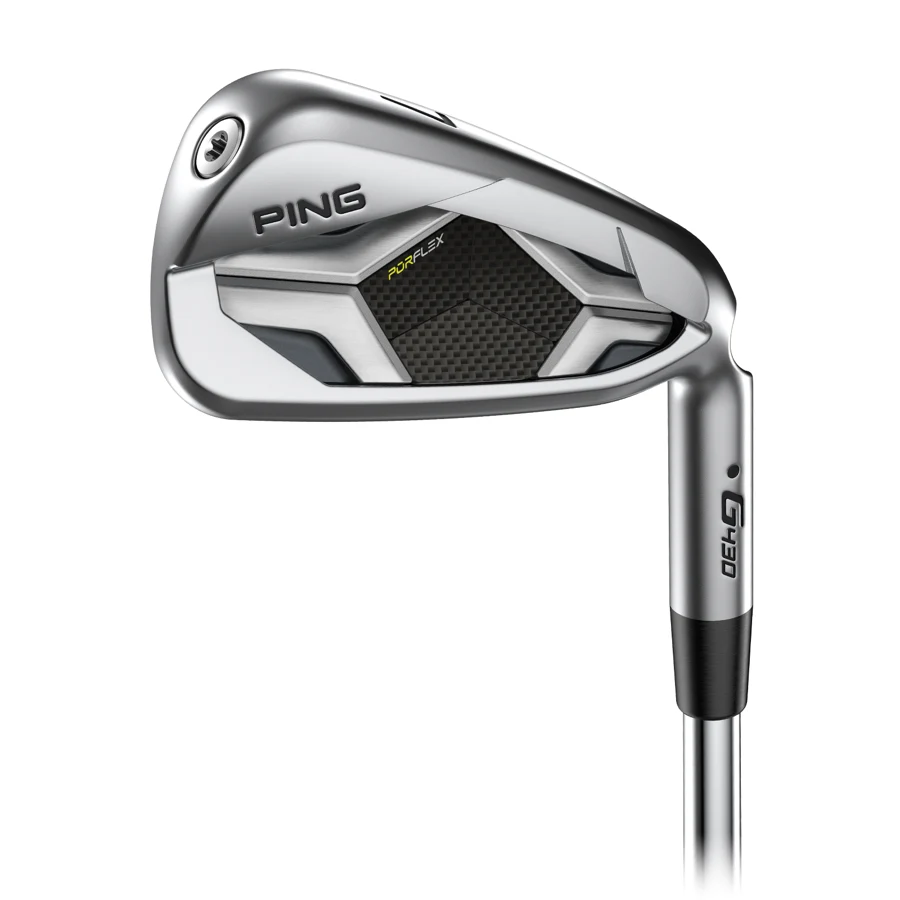
G430 irons (2026 US page)
G430 from PING’s current US product page, with a 29° 7-iron and 41° pitching wedge.
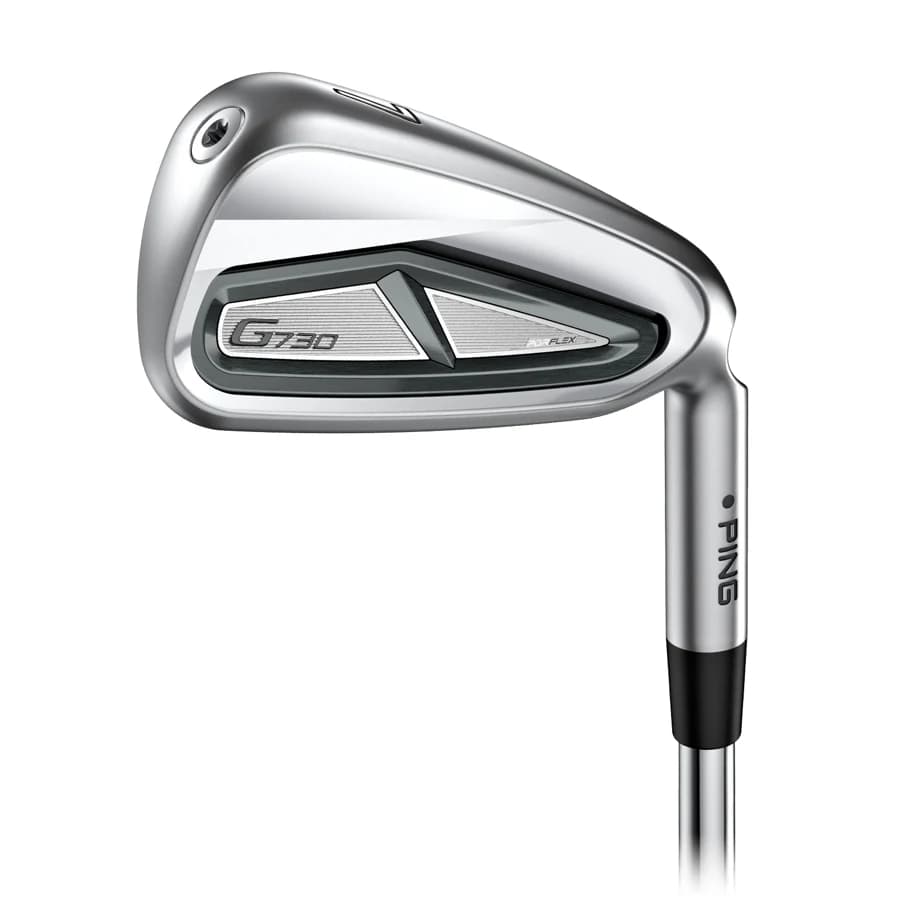
G730 irons (2026 US page)
G730 from PING’s current US product page, with a 28° 7-iron and 40° pitching wedge.
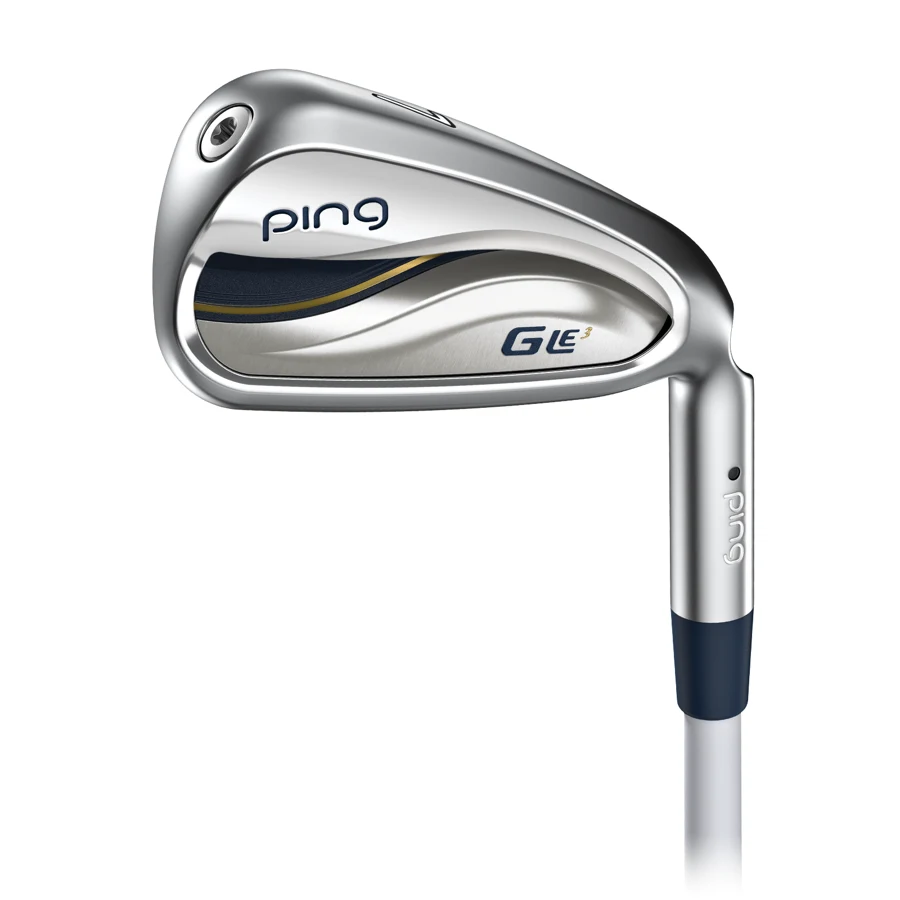
G Le3 irons (2026 US page)
G Le3 from PING’s current US product page, with a 29.5° 7-iron and 46° pitching wedge.
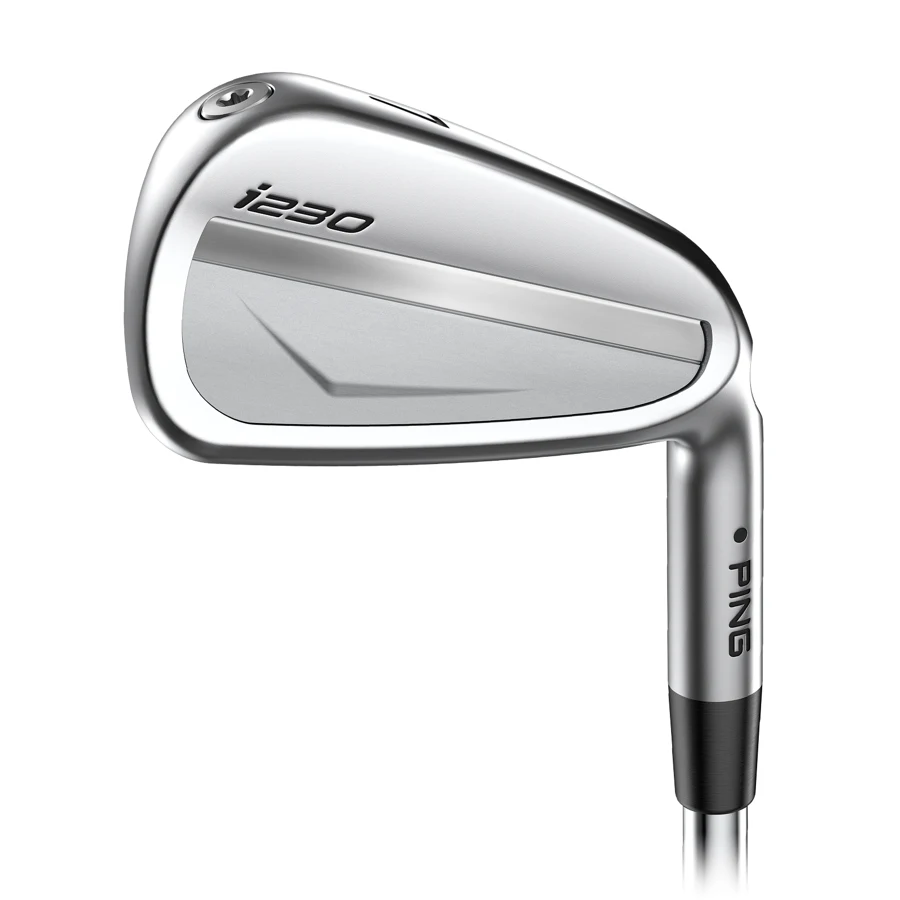
i230 irons (2026 US page)
i230 from PING’s current US product page, with a 33° 7-iron and 45° pitching wedge.