Mizuno M.Craft Nagoya (2026 US page)
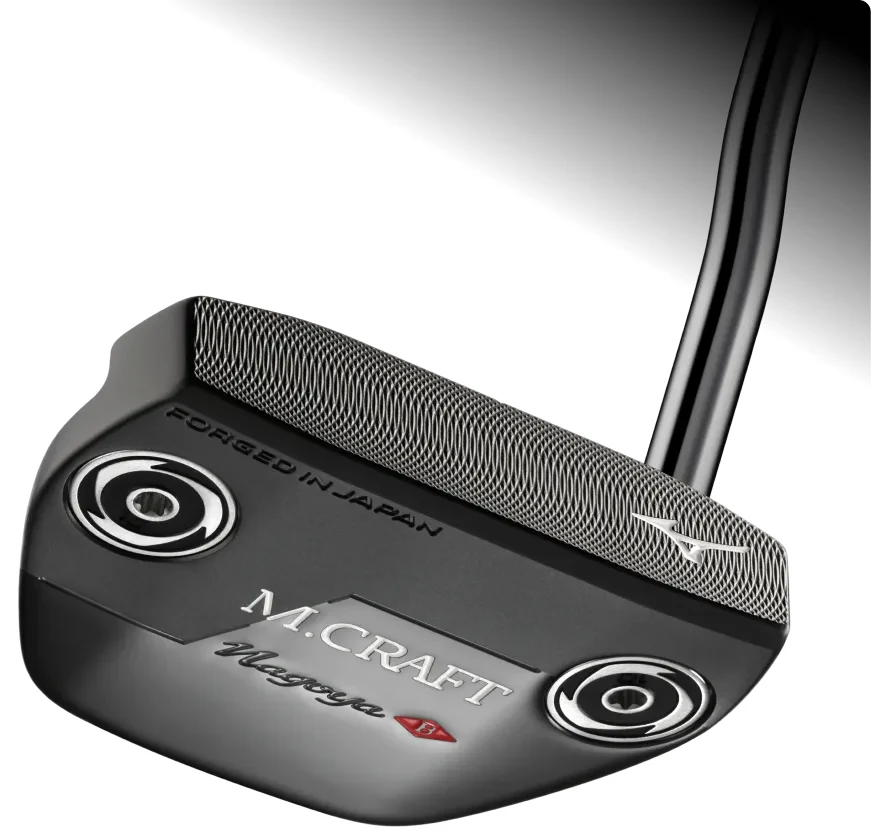
M.Craft Nagoya (mid-mallet) from Mizuno’s M.Craft City series: 3.0° loft, 70° lie, 34 or 35 in, 380 g head, offered as Nagoya.S and Nagoya.B.
- Published loft
- 3.0°
- Published lie angle
- 70°
- Published length options
- 34, 35 in
Documented specifications & build options
Mizuno’s published specification for each neck of this head at the review date; 34 and 35 in are the listed stock lengths with the KBS CT Tour shaft.
| Field | Documented value |
|---|---|
| Published loft | 3.0 ° |
| Published lie angle | 70 ° |
| Published length options | 34, 35 in |
| Head weight | 380 g |
| Head type | Mid-mallet |
| Hosel type | Slant (.S), Double bend (.B) |
Source: Mizuno M.Craft Nagoya putter US specification page (M.Craft City series). Reviewed 2026-10-22.
Specifications by configuration
| Configuration | Published values |
|---|---|
| Nagoya.S ↗ | Loft: 3 ° Lie: 70 ° Published length options: 34, 35 in Toe hang: 36° Head weight: 380 g Handedness: RH/LH |
| Nagoya.B ↗ | Loft: 3 ° Lie: 70 ° Published length options: 34, 35 in Toe hang: FB (face balanced) Head weight: 380 g Handedness: RH |
Identifying the right model
- A black mid-mallet with two round weight ports toward the rear corners, M.CRAFT above a Nagoya script on the flat rear sole, a small red diamond carrying the neck letter after the script and the runbird near the heel end of the milled topline.
What to check before using the reference
- Mizuno describes the Nagoya as a mid-mallet offered with a slant neck or a double bend neck; the table identifies the two builds only by the .S and .B suffixes, with 36° toe hang for the .S and FB (face balanced) for the .B.
- Mizuno lists the Nagoya.S in right- and left-hand and the Nagoya.B right-hand only, each in Grey Ion and Nickel finishes.
Continue exploring putters
M.Craft Kyoto · 2026 US page
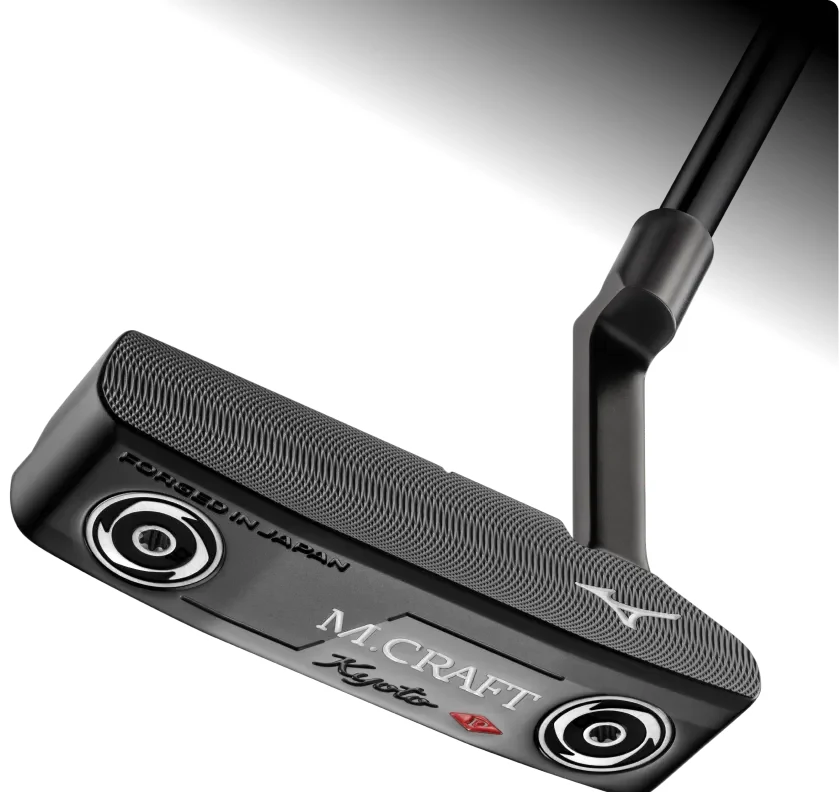
M.Craft Kyoto (blade) from Mizuno’s M.Craft City series: 3.0° loft, 70° lie, 34 or 35 in, 365 g head, offered as Kyoto.P and Kyoto.S.
M.Craft Osaka · 2026 US page
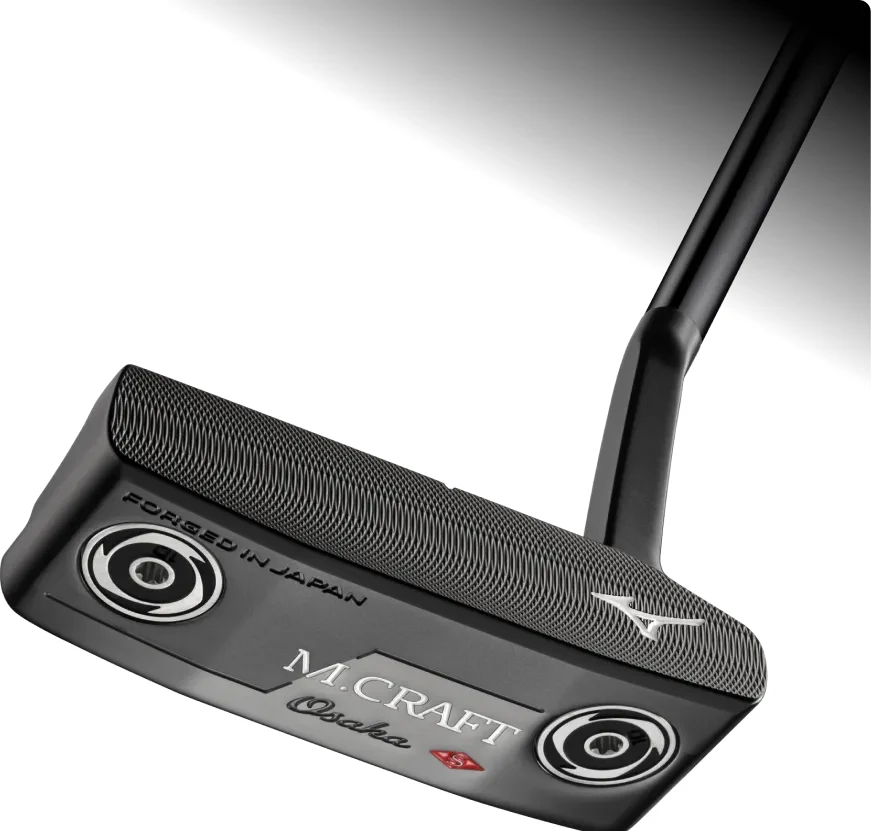
M.Craft Osaka (square-back blade) from Mizuno’s M.Craft City series: 3.0° loft, 70° lie, 34 or 35 in, 365 g head, offered as Osaka.P and Osaka.S.
M.Craft Tokyo · 2026 US page
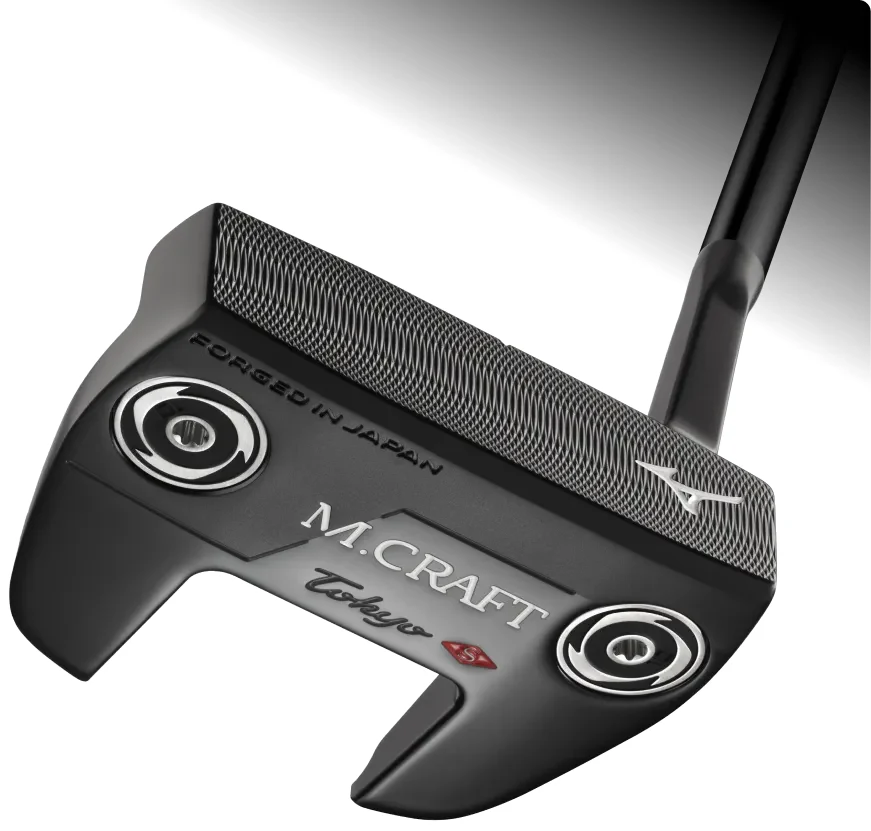
M.Craft Tokyo (wing mallet) from Mizuno’s M.Craft City series: 3.0° loft, 70° lie, 34 or 35 in, 380 g head, offered as Tokyo.S and Tokyo.B.
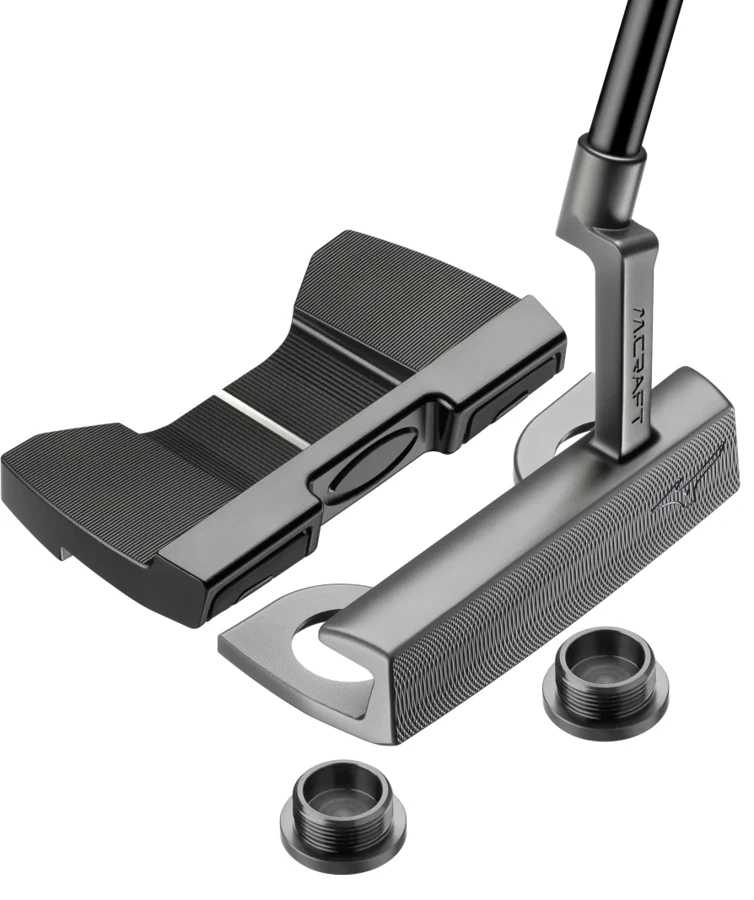
M.Craft X 2 · 2026 US page
M.Craft X 2 head from Mizuno’s US page: 3.0° loft, 70° lie, 34 or 35 in, offered as B2, S2, P2, Z2 (B, S, P and Z necks).